Top Cities
Indonesia, with a coastline stretching over approximately 54,700 km, is the world’s largest archipelagic nation, located in Southeast Asia between the Indian and Pacific Oceans. Comprising more than 17,000 islands, the country has undergone significant economic growth and infrastructure development over the past two decades. Despite rapid modernization, Indonesia continues to preserve its deep-rooted traditions, cultural diversity, and local customs, making it one of the most captivating travel destinations in the region. The nation’s history has been shaped by indigenous civilizations as well as Hindu-Buddhist kingdoms, Islamic sultanates, and centuries of European colonial influence, particularly from the Dutch. These layers of history are vividly reflected in Indonesia’s architecture, religious landmarks, traditional arts, cuisine, and everyday way of life, creating a rich cultural mosaic that defines the country’s unique identity.
-
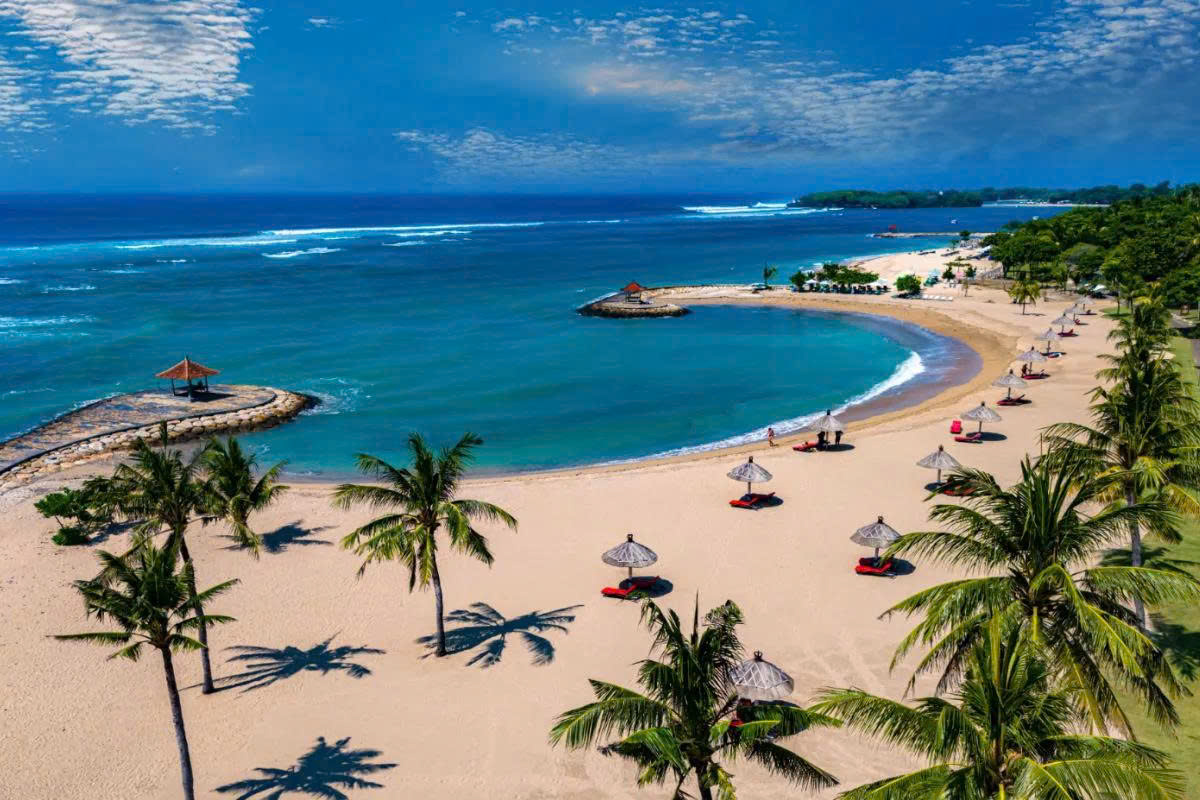
 Worldwide famous as Indonesia’s most iconic island destination, Bali is renowned for its stunning beaches, rich spiritual culture, lush landscapes and warm hospitality. Often called the “Island of the Gods,” Bali offers a wide range of experiences, from vibrant beach life and world-class resorts to peaceful temples and traditional villages. The island is a harmonious blend of ancient traditions and modern tourism, where Hindu rituals, colorful ceremonies and daily offerings are deeply woven into everyday life. With its natural beauty, cultural depth and relaxed atmosphere, Bali attracts travelers seeking both adventure and tranquility.
Things to do in Bali:- Relax on beautiful beaches in Kuta, Seminyak, Nusa Dua and Uluwatu
- Visit ancient temples such as Tanah Lot, Uluwatu Temple and Besakih Temple
- Explore lush rice terraces in Ubud and Tegallalang
- Experience Balinese culture through traditional dance performances and ceremonies
- Enjoy water activities like surfing, snorkeling and diving
- Discover local art, yoga retreats and wellness experiences in Ubud
Top places in Bali:- Ubud is the cultural heart of Bali, surrounded by rice fields, forests and rivers. It is known for art galleries, traditional markets, yoga centers and the Sacred Monkey Forest.
- Tanah Lot Temple is one of Bali’s most famous landmarks, dramatically set on a rock formation in the sea. It is especially popular at sunset.
- Uluwatu Temple, perched on a cliff overlooking the Indian Ocean, offers breathtaking views and traditional Kecak dance performances at sunset.
- Seminyak and Kuta are lively coastal areas known for shopping, dining, nightlife and long sandy beaches.
- Tegallalang Rice Terraces showcase Bali’s traditional irrigation system and offer some of the island’s most scenic landscapes.
Bali Transportation:- Flights: Visitors arrive at Ngurah Rai International Airport (Denpasar), which connects Bali with major cities in Asia and beyond.
- Local transport: Taxis, ride-hailing apps, private drivers and motorbike rentals are commonly used, as public transport is limited.
Best time to visit Bali:
The best time to visit Bali is during the dry season from April to October, when the weather is sunny and ideal for outdoor activities. The island is also lively during cultural festivals such as Galungan, Kuningan and Nyepi (Balinese New Year). Even during the rainy season, Bali remains an attractive destination with fewer crowds and lush green scenery. -
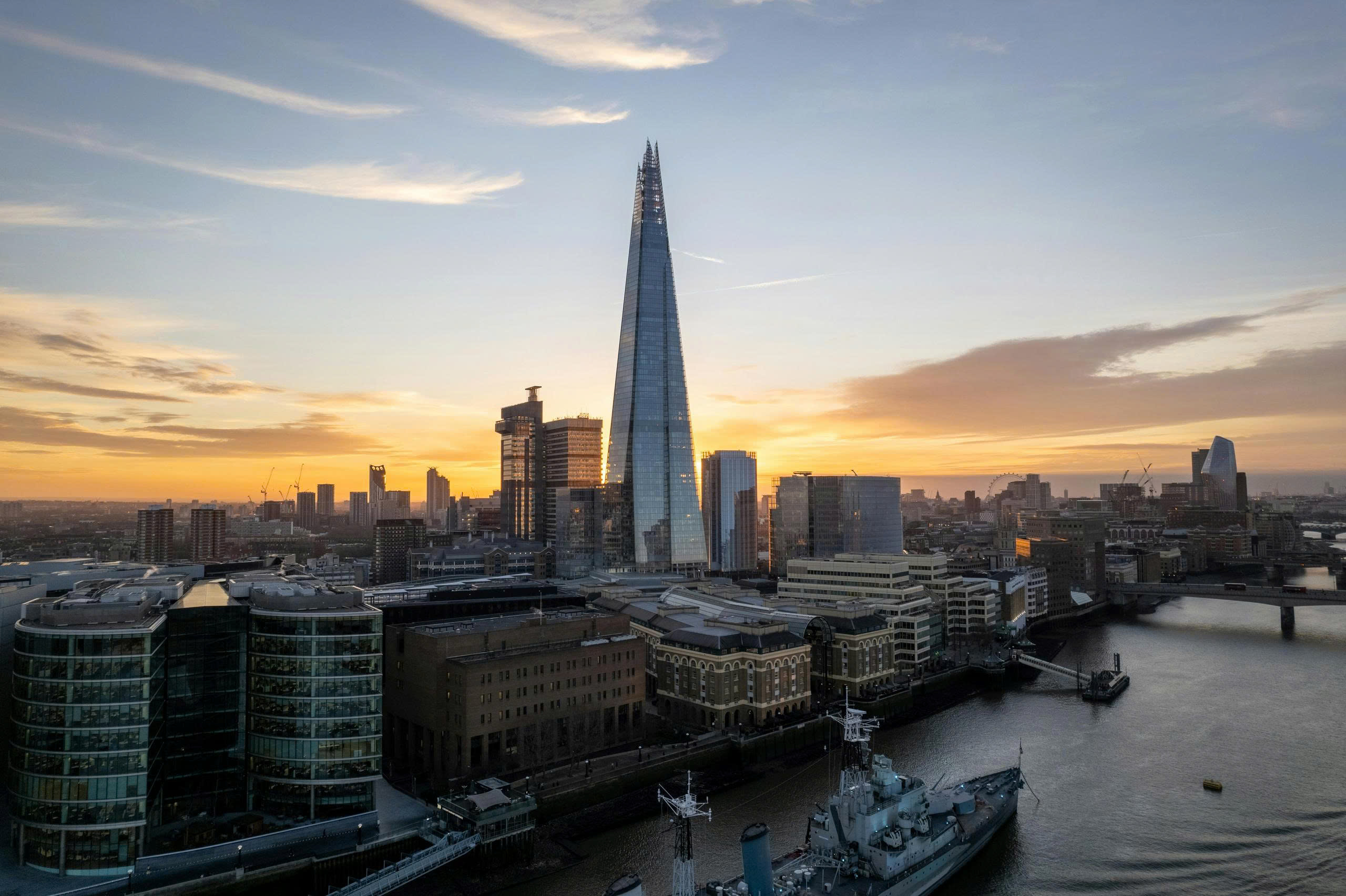 Worldwide known as a dynamic megacity and the political, economic, and cultural heart of Indonesia, Jakarta offers a fast-paced and multifaceted experience for travelers. As the capital city, Jakarta is a vibrant mix of modern skyscrapers, historic neighborhoods, bustling ports, and diverse communities. The city reflects Indonesia’s long history shaped by indigenous cultures, centuries of trade, Dutch colonial influence, and rapid modernization. While often seen as a gateway to the rest of the archipelago, Jakarta itself rewards visitors with rich history, lively urban life, and a strong sense of national identity.
Things to do in Jakarta:- Explore the historic Old Town (Kota Tua) and its colonial-era buildings
- Visit national landmarks and museums to learn about Indonesia’s history
- Experience Jakarta’s shopping scene, from luxury malls to local markets
- Discover the city’s culinary diversity, from street food to fine dining
- Enjoy the nightlife in modern districts such as SCBD and Kemang
- Relax in city parks or take a short trip to the Thousand Islands (Kepulauan Seribu)
Top places in Jakarta:- National Monument (Monas) is Jakarta’s most iconic landmark, symbolizing Indonesia’s independence. Visitors can go up to the observation deck for panoramic city views.
- Kota Tua Jakarta showcases Dutch colonial heritage with attractions like Fatahillah Square, Jakarta History Museum, and Café Batavia.
- Istiqlal Mosque, the largest mosque in Southeast Asia, stands opposite Jakarta Cathedral, representing religious harmony in Indonesia.
- Grand Indonesia & Plaza Indonesia are premier shopping complexes offering international brands, dining, and entertainment.
- Ancol Dreamland is a large waterfront recreation area featuring beaches, theme parks, Sea World, and cultural attractions.
- Jakarta also has notable museums such as the National Museum, Museum MACAN (modern art), and various cultural centers.
Jakarta Transportation:- Flights: Most travelers arrive via Soekarno–Hatta International Airport (CGK), Indonesia’s busiest airport, located about 30 km from the city center. Airport trains, taxis, and ride-hailing services connect to the city.
- Public transport: Jakarta has improved urban mobility with MRT, LRT, TransJakarta Bus Rapid Transit, commuter trains, and extensive ride-hailing options.
- Road travel: Traffic congestion is common, so planning travel time is essential.
Best time to visit Jakarta:
Jakarta has a tropical climate and can be visited year-round. The best time to visit is during the dry season from May to September, when humidity and rainfall are lower. Cultural events, exhibitions, and national celebrations add vibrancy throughout the year. Although the city can be busy and intense, Jakarta offers an authentic introduction to Indonesia’s urban life, history, and diversity. -
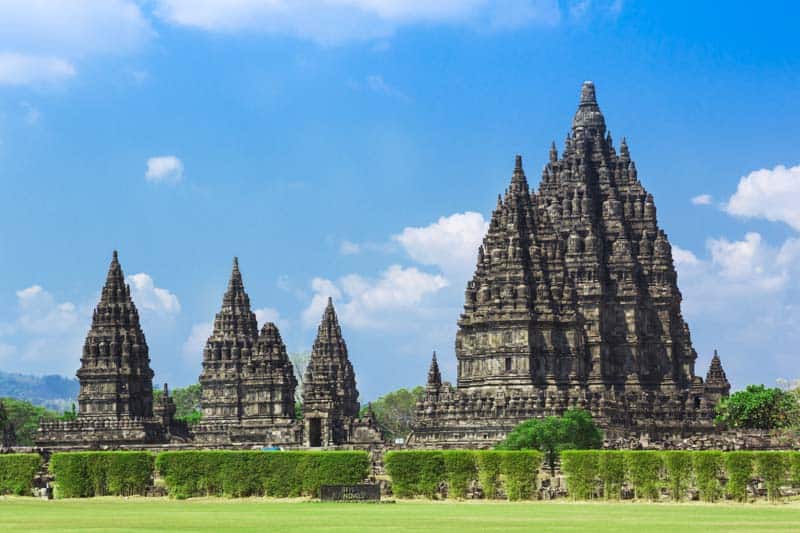 Worldwide known as the cultural heart of Indonesia, Yogyakarta (often called Jogja) offers travelers a deep and authentic experience rooted in history, art, and tradition. Located on the island of Java, Yogyakarta is a city where ancient Javanese heritage, royal legacy, and youthful creativity blend seamlessly. Unlike Indonesia’s modern metropolises, Jogja moves at a gentler pace, inviting visitors to connect with local life, spirituality, and centuries-old customs. It is also one of the few cities in Indonesia still governed by a Sultan, giving it a unique cultural and political identity.
Things to do in Yogyakarta:- Explore ancient temples and UNESCO World Heritage sites
- Experience traditional Javanese arts, batik, and crafts
- Walk through royal palaces and historic neighborhoods
- Enjoy vibrant street food and local markets
- Visit art spaces, cafés, and student districts
- Take day trips to volcanoes, caves, and countryside villages
Top places in Yogyakarta:- Borobudur Temple, the world’s largest Buddhist monument, is located just outside the city and features intricate stone carvings and breathtaking sunrise views.
- Prambanan Temple, a magnificent Hindu temple complex, is famous for its towering spires and epic Ramayana reliefs.
- Kraton Yogyakarta (Sultan’s Palace) is the cultural heart of the city, showcasing royal traditions, architecture, and court ceremonies.
- Taman Sari Water Castle, once a royal garden and bathing complex, offers a glimpse into the leisure life of past sultans.
- Malioboro Street is the city’s most famous avenue, lined with shops, street vendors, batik stalls, and local food.
- Yogyakarta also features many museums, art galleries, and cultural villages such as Kotagede, known for silver craftsmanship.
Yogyakarta Transportation:- Flights: Yogyakarta International Airport (YIA) connects the city with major domestic destinations and selected international routes.
- Trains: The city is well connected to Jakarta, Surabaya, and other Javanese cities by rail.
- Local transport: Becak (cycle rickshaws), buses, ride-hailing apps, and rental scooters are commonly used.
Yogyakarta can be visited year-round. The best time is during the dry season from May to September, ideal for temple visits and outdoor activities. Cultural festivals, traditional performances, and royal ceremonies take place throughout the year, making Yogyakarta a rewarding destination in any season. -
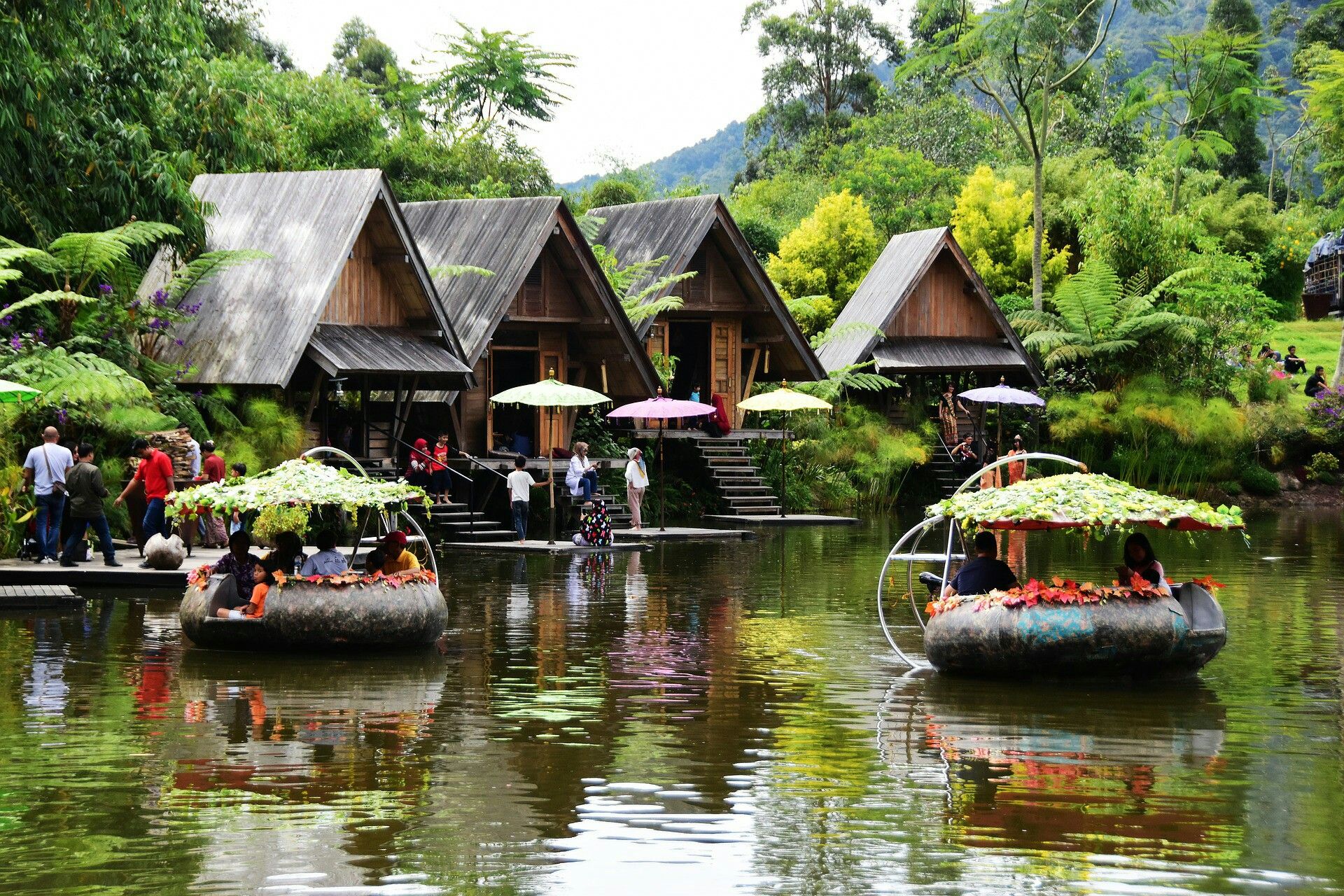 Worldwide known as a creative hub surrounded by cool highlands and scenic landscapes, Bandung, the capital of West Java, offers a refreshing contrast to Indonesia’s larger metropolitan cities. Often referred to as the “Paris of Java”, Bandung is famous for its colonial architecture, vibrant youth culture, fashion outlets, and rich culinary scene. The city blends natural beauty with urban creativity, where misty mountains, tea plantations, and volcanic landscapes coexist with cafés, art spaces, and historic streets. Bandung reflects a harmonious mix of Sundanese traditions, Dutch colonial heritage, and modern lifestyle, making it an appealing destination for both leisure seekers and culture lovers.
Things to do in Bandung:- Explore factory outlets and independent fashion boutiques along Jalan Riau and Dago
- Enjoy Bandung’s café culture with scenic views of hills and forests
- Discover colonial architecture and historical landmarks in the city center
- Visit nearby volcanic craters, hot springs, and tea plantations
- Experience Sundanese culture through local food, music, and crafts
- Take short trips to surrounding highland attractions and nature parks
Top places in Bandung:- Kawah Putih is a striking volcanic crater lake known for its milky turquoise water and surreal atmosphere, located about an hour from the city.
- Tangkuban Perahu Volcano is one of West Java’s most famous natural landmarks, offering easy access to steaming craters and panoramic views.
- Braga Street is a historic avenue lined with colonial-era buildings, cafés, galleries, and boutiques, perfect for a relaxed stroll.
- Dago Pakar and Lembang areas are popular for their cool climate, scenic viewpoints, tea plantations, and family-friendly attractions.
- Gedung Sate, Bandung’s iconic government building, showcases unique Indo-European architecture and serves as a city landmark.
- Bandung also offers cultural sites such as Saung Angklung Udjo, where visitors can enjoy traditional Sundanese music performances.
Bandung Transportation:- Flights: Bandung is served by Husein Sastranegara International Airport with domestic connections; many travelers also arrive via Jakarta.
- Trains: Comfortable rail services connect Bandung with Jakarta and other cities, offering scenic countryside views.
- Local transport: Taxis, ride-hailing apps, and local minibuses make getting around convenient.
Best time to visit Bandung:
Bandung enjoys a cooler climate compared to most Indonesian cities. The best time to visit is during the dry season from May to September, ideal for sightseeing and outdoor activities. Weekends and public holidays can be busy, as Bandung is a popular getaway for domestic travelers. -
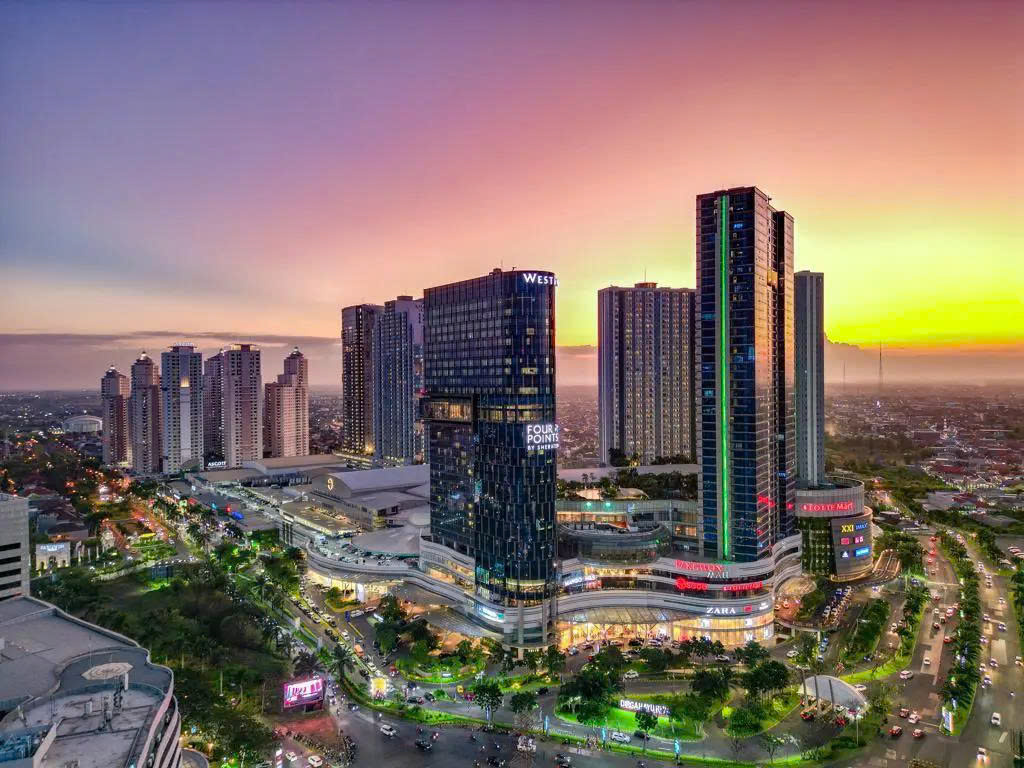 Worldwide known as a dynamic port city and an important commercial hub, Surabaya, the capital of East Java, offers travelers a fascinating mix of history, local culture, and modern urban life. As Indonesia’s second-largest city, Surabaya plays a vital role in the country’s economy while retaining a strong sense of identity shaped by its maritime heritage and revolutionary past. The city is often called the “City of Heroes” for its key role in Indonesia’s independence movement, and this historical pride is still deeply felt today. Surabaya presents a more local, authentic Indonesian experience, where colonial architecture, traditional markets, and contemporary developments coexist.
Things to do in Surabaya:- Explore historical landmarks that reflect the city’s role in Indonesia’s independence
- Discover local life at traditional markets and food streets
- Visit museums to learn about East Java’s history and culture
- Enjoy riverside walks and urban parks
- Sample East Javanese cuisine, known for its bold and savory flavors
- Use Surabaya as a gateway to nearby attractions such as Mount Bromo and Madura Island
Top places in Surabaya:- Heroes Monument (Tugu Pahlawan) is Surabaya’s most important landmark, commemorating the Battle of Surabaya in 1945. The monument and its underground museum provide deep insight into Indonesia’s struggle for independence.
- House of Sampoerna is a beautifully preserved colonial building that tells the story of Indonesia’s famous clove cigarette industry. Visitors can observe traditional cigarette rolling and explore exhibits on Surabaya’s industrial heritage.
- Surabaya Old Town (Kota Tua) features remnants of Dutch colonial architecture, traditional shophouses, and historic streets that showcase the city’s past as a major trading port.
- Cheng Hoo Mosque, inspired by Chinese and Islamic architectural styles, reflects Surabaya’s multicultural identity and is one of the city’s most unique religious sites.
- Tunjungan Plaza, one of the largest shopping complexes in Indonesia, represents Surabaya’s modern lifestyle with shopping, dining, and entertainment options.
Surabaya Transportation:- Flights: Juanda International Airport connects Surabaya with major domestic and international destinations. The airport is located about 30–40 minutes from the city center by car or taxi.
- Trains: Surabaya is a major railway hub in Java, with frequent connections to Jakarta, Yogyakarta, Bandung, and other key cities.
- Local transport: Taxis, ride-hailing apps, buses, and commuter trains make getting around the city convenient and affordable.
Best time to visit Surabaya:
Surabaya has a tropical climate and can be visited year-round. The best time to visit is during the dry season from May to October, when rainfall is lower and sightseeing is more comfortable. While the city is generally hot, cultural festivals and local events throughout the year add charm, making Surabaya an engaging destination for travelers interested in history, culture, and everyday Indonesian life.

 +84 24 3747 2597
 Contact us