Top Cities
Malaysia, with a coastline of approximately 4,675 km, is located in Southeast Asia, consisting of Peninsular Malaysia and East Malaysia on the island of Borneo. The country has experienced rapid economic and urban development over the past two decades. However, Malaysia has successfully preserved its rich traditions and multicultural heritage, making it a highly attractive travel destination. History has shaped Malaysia through Malay, Chinese, Indian, British, and Islamic influences, all of which are clearly reflected in its architecture, cuisine, and way of life.
-
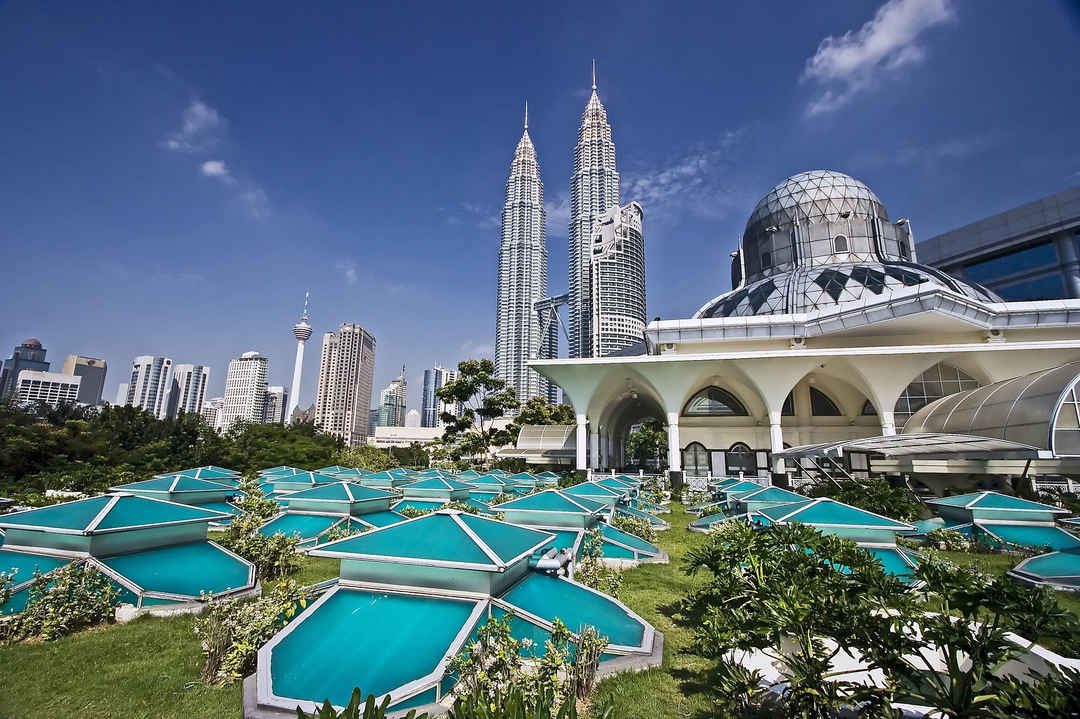 Worldwide famous as a vibrant metropolis of skyscrapers, cultural diversity and lush green spaces, Kuala Lumpur, the capital city of Malaysia, offers different experiences to different travelers. The city is a fascinating blend of modern architecture and traditional heritage, where gleaming towers stand side by side with colonial buildings, mosques, temples and bustling street markets. Kuala Lumpur perfectly represents the meeting point of Malay, Chinese, Indian and Western influences, creating a city that is energetic, welcoming and full of contrasts. It is a place where tradition and innovation coexist, and where visitors quickly find that imagination truly becomes reality.
Things to do in Kuala Lumpur:- Walk through the lively streets of Bukit Bintang and explore its shopping malls, cafés and nightlife
- Visit iconic landmarks such as the Petronas Twin Towers and KL Tower
- Discover the city’s religious diversity at mosques, Hindu temples and Chinese shrines
- Explore local culture and history in Kuala Lumpur’s museums and heritage areas
- Sample Malaysia’s world-famous street food at hawker centers and night markets
- Take a short trip to the Batu Caves, one of Malaysia’s most important Hindu sites
Top places in Kuala Lumpur:- Petronas Twin Towers are the symbol of Kuala Lumpur and among the most recognizable landmarks in the world. Standing at 452 meters, the twin towers dominate the city skyline. The Skybridge and observation deck offer stunning panoramic views and are a must-visit for first-time travelers.
- Batu Caves, located just outside the city center, are a spectacular limestone hill featuring a series of caves and Hindu temples. The giant golden statue of Lord Murugan and the colorful staircase make this one of Kuala Lumpur’s most photographed attractions.
- Merdeka Square (Dataran Merdeka) is where Malaysia’s independence was declared in 1957. Surrounded by colonial-era buildings such as the Sultan Abdul Samad Building, the square offers insight into the country’s historical past.
- Central Market and Chinatown (Petaling Street) provide a lively atmosphere filled with local crafts, souvenirs, street food and traditional shops. It is an excellent place to experience daily local life and bargain for unique items.
- Islamic Arts Museum Malaysia, one of the largest of its kind in Southeast Asia, showcases exquisite collections of Islamic calligraphy, textiles, architecture models and decorative arts from across the Muslim world.
- In addition, Kuala Lumpur is home to many interesting museums and cultural sites such as the National Museum, Royal Selangor Pewter, National Mosque (Masjid Negara) and various art galleries.
Kuala Lumpur Transportation:- Flights: Most visitors arrive at Kuala Lumpur International Airport (KLIA) or KLIA2, one of Southeast Asia’s major aviation hubs. Numerous international and domestic airlines operate here. From the airport, travelers can reach the city center by KLIA Express train (about 28 minutes), taxi, or ride-hailing services.
- Trains: Kuala Lumpur is the heart of Malaysia’s rail network, connecting to major cities such as Penang, Ipoh, Johor Bahru and even Singapore.
- Public transport: The city has an efficient system of LRT, MRT, Monorail and buses, making it easy and affordable to get around.
Best time to visit Kuala Lumpur:
Kuala Lumpur can be visited year-round due to its tropical climate. The best time to visit is generally from May to July and December to February, when rainfall is relatively lower. Cultural festivals such as Chinese New Year, Hari Raya Aidilfitri and Deepavali add extra color and excitement to the city. While rain showers may occur throughout the year, they are usually short and do not significantly disrupt travel plans, making Kuala Lumpur an appealing destination in any season. -
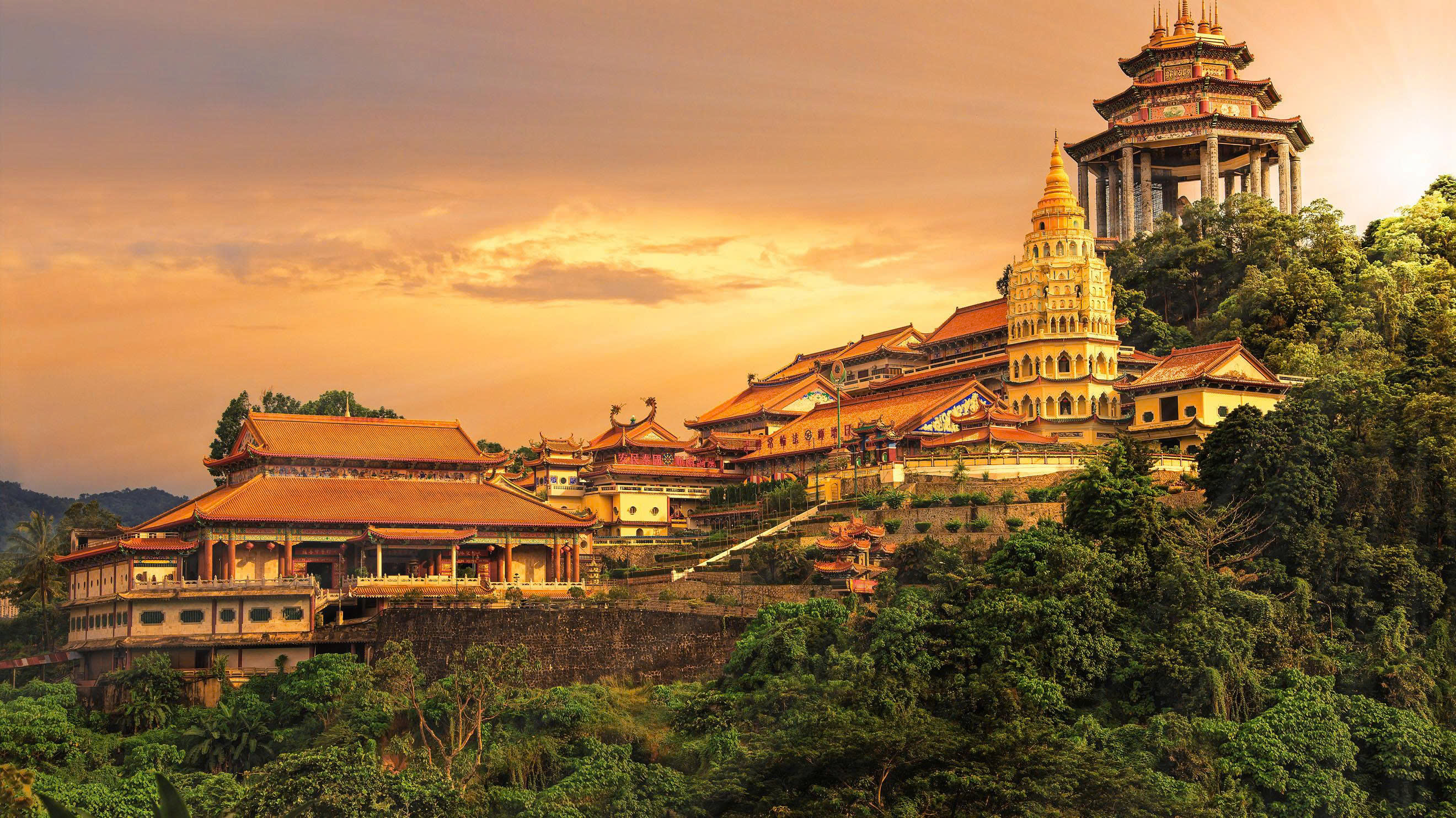 Worldwide famous as a cultural melting pot of heritage streets, colonial architecture and world-class street food, Penang, one of Malaysia’s most iconic destinations, offers different experiences to different travelers. Often referred to as the “Pearl of the Orient”, Penang is a captivating blend of old-world charm and contemporary creativity, where centuries-old shophouses stand alongside trendy cafés, art galleries and boutique hotels. With its rich multicultural history shaped by Malay, Chinese, Indian and European influences, Penang is a place where tradition, culture and modern lifestyle meet seamlessly.
Things to do in Penang:- Walk through the historic streets of George Town, a UNESCO World Heritage Site
- Explore Penang’s diverse museums, temples and colonial landmarks
- Discover the city’s famous street art and murals scattered across old town alleys
- Sample Penang’s legendary street food, often considered the best in Malaysia
- Relax at the beaches of Batu Ferringhi or explore Penang Hill’s cool climate
- Visit local markets and clan jetties to experience daily life of Penang’s communities
Top places in Penang:- George Town is the cultural heart of Penang and a living museum of history. Its narrow streets are lined with colorful shophouses, colonial buildings, temples and mosques, reflecting the city’s multicultural past. Walking through George Town feels like stepping back in time while still enjoying a lively modern atmosphere.
- Penang Hill offers a refreshing escape from the city heat. Accessible by a funicular railway, the hill provides panoramic views of the island, lush greenery and cooler temperatures. It is a popular spot for both sightseeing and nature walks.
- Kek Lok Si Temple, the largest Buddhist temple in Malaysia, is an impressive complex of pagodas, statues and prayer halls. Located on a hillside in Air Itam, it is an important pilgrimage site and offers beautiful views over the city.
- Clan Jetties are traditional wooden settlements built on stilts along the waterfront. Each jetty belongs to a specific Chinese clan and offers insight into the maritime heritage and community life of early settlers.
- Street Art of Penang has become one of the city’s most recognizable features. Murals and steel rod sculptures tell stories of local culture and history, making street art exploration one of the most enjoyable activities in Penang.
- In addition, Penang is home to many fascinating museums such as the Penang Peranakan Mansion, Penang State Museum, Wonderfood Museum, and the Cheong Fatt Tze Blue Mansion, each offering unique perspectives on local culture and history.
Penang Transportation:- Flights: Visitors usually arrive at Penang International Airport, which serves both domestic and international flights. Airlines operating here include Malaysia Airlines, AirAsia, Scoot and others. From the airport, travelers can reach George Town within 30 minutes by taxi or ride-hailing services.
- Trains: Penang is connected to mainland Malaysia via rail services to Butterworth, followed by a short ferry or bridge crossing to the island.
- Buses & local transport: Penang has a reliable public bus network, and walking is often the best way to explore George Town’s historic core.
Best time to visit Penang:
Penang enjoys a tropical climate year-round, making it a suitable destination in any season. The best time to visit is generally from December to April, when rainfall is lower and weather is more comfortable for sightseeing. Cultural festivals such as Chinese New Year, Thaipusam, Hari Raya Aidilfitri and the George Town Festival add vibrant energy to the city. While occasional rain showers may occur during the rest of the year, they are usually brief and do not significantly affect travel plans, making Penang an appealing destination at any time. -
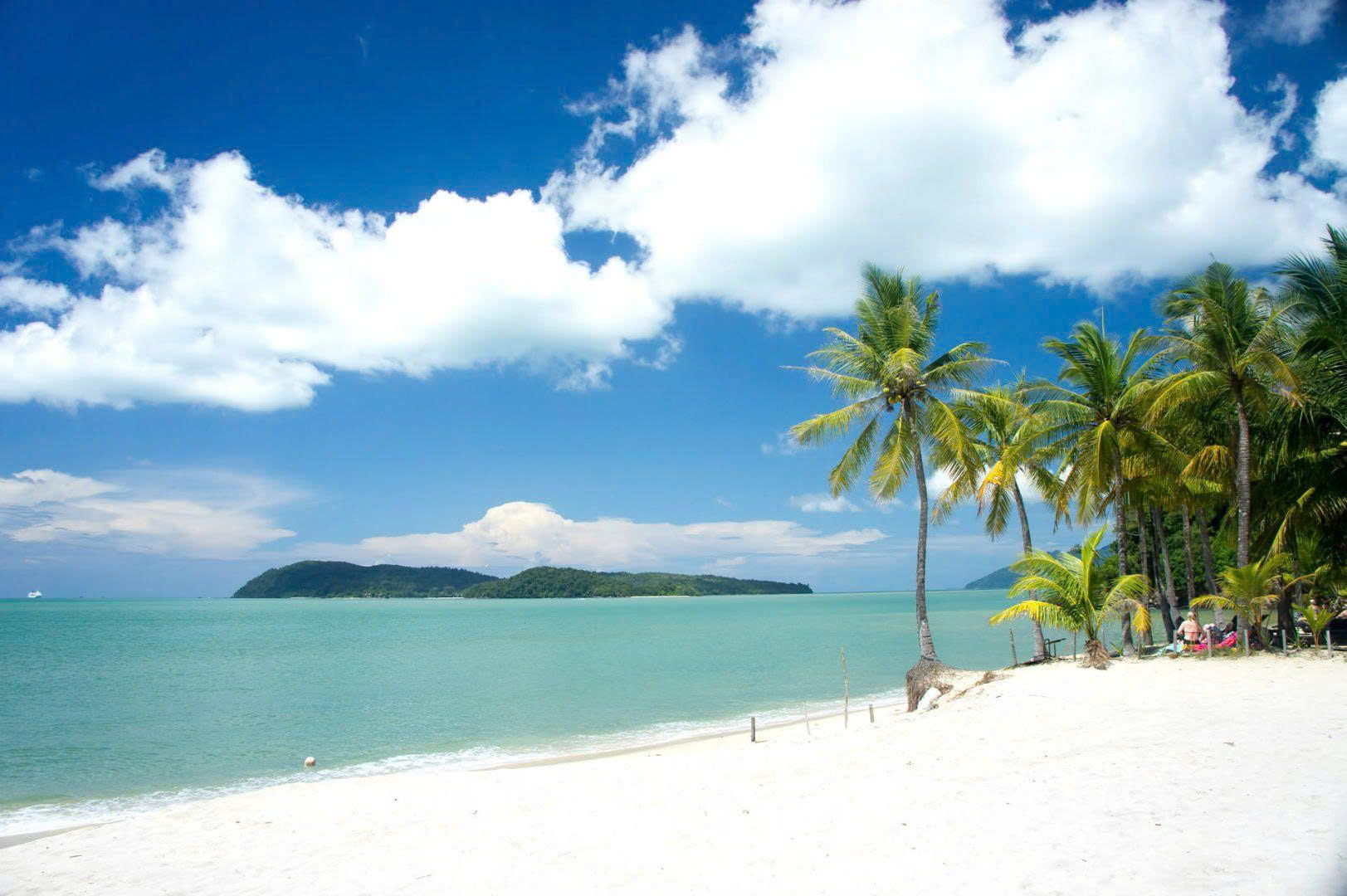
Worldwide famous as a tropical paradise of pristine beaches, turquoise waters and lush rainforests, Langkawi, Malaysia’s most celebrated island destination, offers different experiences to different travelers. Located in the Andaman Sea off the northwest coast of Peninsular Malaysia, Langkawi is an archipelago of 99 islands known for its natural beauty, relaxed atmosphere and duty-free shopping. The island is a perfect blend of untouched nature and modern leisure, where dramatic limestone cliffs rise above quiet bays and luxury resorts coexist with traditional fishing villages. Langkawi is a place where tranquility meets adventure and imagination truly comes to life.
Things to do in Langkawi:- Relax on the white-sand beaches of Pantai Cenang and Pantai Tengah
- Ride the Langkawi Cable Car and Sky Bridge for breathtaking panoramic views
- Explore mangroves, caves and wildlife in Kilim Karst Geoforest Park
- Enjoy island-hopping tours to nearby islets and snorkeling spots
- Discover local legends and culture at museums and heritage sites
- Experience duty-free shopping, seafood dining and laid-back nightlife
Top places in Langkawi:- Pantai Cenang is the most popular beach in Langkawi, offering calm waters, beachfront cafés, water sports and stunning sunsets. It is lively yet relaxed, making it ideal for both families and couples.
- Langkawi Sky Bridge, suspended high above the rainforest, is one of the island’s most iconic attractions. Accessible via the cable car, the curved bridge provides unforgettable views of the mountains, sea and surrounding islands.
- Kilim Karst Geoforest Park, part of the Langkawi UNESCO Global Geopark, showcases dramatic limestone formations, mangrove forests and rich biodiversity. Boat tours through the mangroves allow visitors to observe eagles, monkeys and unique coastal ecosystems.
- Eagle Square (Dataran Lang) features a giant statue of an eagle, the symbol of Langkawi. Located near the ferry terminal in Kuah Town, it is a popular spot for photos and sunset views.
- Langkawi Wildlife Park and Underwater World Langkawi offer family-friendly experiences and insight into marine life and tropical wildlife.
- In addition, Langkawi has several interesting cultural and historical attractions such as Mahsuri’s Tomb, Galeria Perdana, and Atma Alam Batik Village, which provide deeper understanding of the island’s legends and traditional crafts.
Langkawi Transportation:- Flights: Most visitors arrive at Langkawi International Airport, which serves both domestic and selected international flights. Airlines such as Malaysia Airlines, AirAsia and Scoot operate regular services. The airport is located close to major beach areas, with taxi and ride-hailing services easily available.
- Ferries: Langkawi is well connected by ferry to Penang, Kuala Perlis and Kuala Kedah, offering scenic sea routes for travelers.
- Local transport: Renting a car or scooter is the most convenient way to explore the island, as public transportation is limited.
Best time to visit Langkawi:
Langkawi enjoys a tropical climate with warm temperatures year-round. The best time to visit is from November to April, when the weather is generally dry, sunny and ideal for beach activities, island hopping and outdoor adventures. The monsoon season from May to October brings occasional rainfall, but showers are often short and the island remains lush and less crowded. This period is also attractive for travelers seeking quieter beaches and better-value accommodation. -
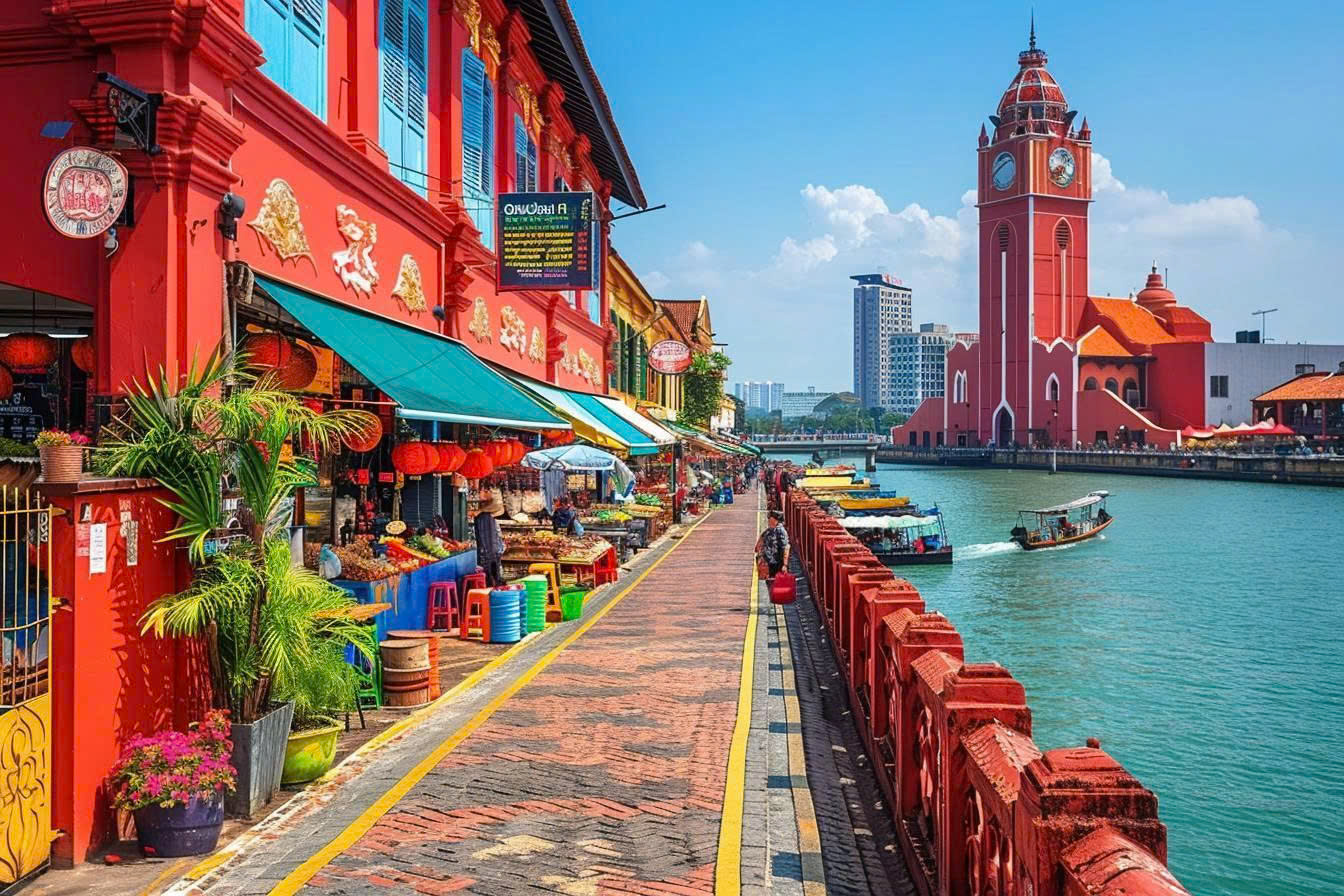 Worldwide famous as a UNESCO World Heritage City, Malacca (Melaka) is one of Malaysia’s most historically rich and culturally diverse destinations. Located on the southwestern coast of Peninsular Malaysia, overlooking the Straits of Malacca, the city has long been a vital trading port connecting East and West. Over more than 600 years of history, Malacca has been shaped by Malay sultanates as well as Portuguese, Dutch, and British colonial rule, creating a unique blend of cultures, architecture, and traditions that continues to captivate visitors today.
Malacca is often described as an open-air museum, where ancient buildings, narrow streets, and riverside promenades coexist with modern cafés, boutique hotels, and a vibrant tourism scene. Unlike fast-paced metropolitan cities, Malacca offers a slower, more reflective travel experience, making it ideal for those who love history, heritage, and local culture.
Things to do in Malacca:- Walk through the historic streets of the UNESCO-listed Old Town and Jonker Street.
- Explore colonial landmarks, churches, temples, and mosques that reflect centuries of multicultural influence.
- Take a relaxing river cruise along the Malacca River, especially beautiful in the evening.
- Visit local museums to learn about Malacca’s maritime history and Peranakan heritage.
- Enjoy authentic local cuisine such as chicken rice balls, Nyonya dishes, and street food.
- Experience the lively night markets and cultural performances on weekends.
Top places in Malacca:- A Famosa Fortress is one of the oldest surviving European architectural remains in Southeast Asia, built by the Portuguese in the 16th century. Though only a gate remains, it stands as a powerful symbol of Malacca’s colonial past.
- Stadthuys and Dutch Square form the iconic heart of Malacca. The red-painted Dutch buildings, including Christ Church, showcase Dutch colonial architecture and now house museums highlighting the city’s history.
- Jonker Street is the most famous street in Malacca, known for its antique shops, souvenir stalls, cafés, and vibrant night market. It is also the cultural center of the Peranakan (Baba-Nyonya) community.
- Cheng Hoon Teng Temple, the oldest functioning Chinese temple in Malaysia, reflects the long-standing Chinese presence in Malacca and features intricate traditional architecture.
- Malacca River runs through the city center and offers scenic views of murals, heritage buildings, and riverside cafés. A river cruise is one of the best ways to see the city from a different perspective.
- Baba & Nyonya Heritage Museum provides deep insight into the lifestyle, customs, and history of the Peranakan people, blending Chinese and Malay traditions.
Malacca Transportation:- Flights: Malacca International Airport serves limited domestic routes, but most visitors arrive via Kuala Lumpur International Airport (KLIA). From Kuala Lumpur, Malacca is about 2–2.5 hours away by car or bus.
- Buses: Regular and affordable buses operate from Kuala Lumpur and other major cities to Malacca’s central bus terminal.
- Local transport: Trishaws, taxis, and ride-hailing services are popular, while walking is ideal within the Old Town area.
Best time to visit Malacca:
Malacca can be visited year-round due to its tropical climate. The best time to visit is during the drier months from March to October, when sightseeing is more comfortable. Weekends are livelier thanks to night markets and festivals, while weekdays offer a quieter experience. Cultural celebrations such as Chinese New Year, Hari Raya, and local heritage festivals add extra charm to the city throughout the year. -
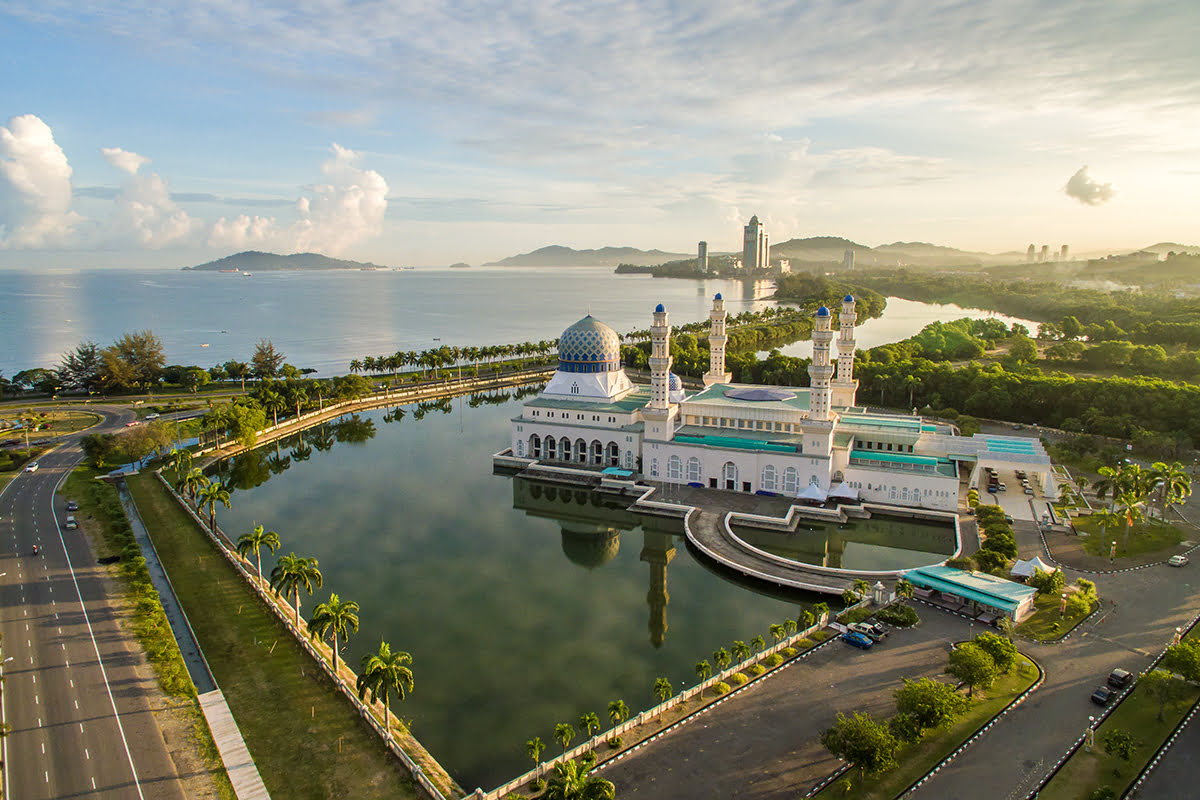 Worldwide famous as the gateway to Borneo, Kota Kinabalu, the capital city of Sabah in Malaysia, is a vibrant coastal city framed by tropical islands, coral reefs, and the majestic Mount Kinabalu. Situated on the northwest coast of Borneo Island facing the South China Sea, Kota Kinabalu—often affectionately called “KK”—offers a unique blend of natural beauty, indigenous culture, and modern urban life. Unlike many large Asian cities, Kota Kinabalu maintains a relaxed atmosphere while still providing all the comforts of a contemporary travel destination.
Kota Kinabalu is where adventure meets culture. The city seamlessly combines pristine beaches, lush rainforests, and rich ethnic diversity with bustling markets, waterfront cafés, and modern shopping centers. Influenced by indigenous Kadazan-Dusun traditions, Chinese heritage, and British colonial history, Kota Kinabalu presents a cultural mosaic that is both welcoming and fascinating to visitors from around the world.
Things to do in Kota Kinabalu:- Go island hopping at Tunku Abdul Rahman Marine Park, home to crystal-clear waters and colorful marine life.
- Explore the city’s vibrant local markets, including the famous Gaya Street Sunday Market.
- Visit cultural villages and museums to learn about Sabah’s indigenous ethnic groups.
- Take a sunset stroll along the Kota Kinabalu Waterfront, known for its stunning sea views.
- Challenge yourself with a trek to Mount Kinabalu, Southeast Asia’s highest peak.
- Enjoy fresh seafood and local Sabahan cuisine at night markets and seaside restaurants.
Top places in Kota Kinabalu:- Mount Kinabalu is the crown jewel of Sabah and a UNESCO World Heritage Site. Standing at 4,095 meters, it attracts climbers and nature lovers with its breathtaking scenery and unique biodiversity.
- Tunku Abdul Rahman Marine Park consists of five beautiful islands just a short boat ride from the city. These islands offer snorkeling, diving, swimming, and relaxing beach experiences in a tropical setting.
- Sabah State Mosque, also known as the Blue Mosque, is one of the most iconic landmarks in Kota Kinabalu. Its striking architecture and location by a lagoon make it a popular spot for photography.
- Gaya Street is the cultural and commercial heart of the city. On Sundays, it transforms into a lively open-air market selling handicrafts, souvenirs, local food, and fresh produce.
- Sabah State Museum provides an excellent overview of Sabah’s history, culture, and natural heritage, showcasing traditional houses, artifacts, and exhibitions about local ethnic communities.
- Signal Hill Observatory Platform offers panoramic views of Kota Kinabalu, nearby islands, and the coastline, especially beautiful at sunset.
Kota Kinabalu Transportation:- Flights: Kota Kinabalu International Airport is the second busiest airport in Malaysia and serves numerous domestic and international routes. Airlines such as Malaysia Airlines, AirAsia, Scoot, and Korean Air operate flights to and from the city. The airport is located just about 8 kilometers from the city center, making transfers quick and convenient by taxi or ride-hailing services.
- Buses: Long-distance buses connect Kota Kinabalu with other towns in Sabah, while minibuses and city buses operate within the city.
- Local transport: Taxis, ride-hailing apps, and walking are the most common ways to get around the city center.
Best time to visit Kota Kinabalu:
Kota Kinabalu enjoys a tropical climate and can be visited all year round. The best time to visit is during the drier months from February to April, which are ideal for island hopping, diving, and mountain climbing. The monsoon season typically occurs between November and January, bringing heavier rainfall, though travel is still possible. Cultural festivals such as the Kaamatan Harvest Festival (May–June) offer visitors a deeper insight into Sabah’s traditions and local life.

 +84 24 3747 2597
 Contact us