Top Cities
South Korea, with a coastline stretching approximately 2,400 km, is located in East Asia on the southern half of the Korean Peninsula, bordered by the Yellow Sea to the west, the East Sea (Sea of Japan) to the east, and the Korea Strait to the south. Over the past few decades, the country has transformed from a war-torn nation into one of the world’s leading economies, known for its advanced technology, modern infrastructure, and global cultural influence. Despite its rapid industrialization and urban development, South Korea continues to preserve its deep-rooted traditions, Confucian values, and rich cultural heritage, making it a compelling destination that seamlessly blends old and new. The nation’s history has been shaped by ancient kingdoms such as Goguryeo, Baekje, and Silla, followed by the Goryeo and Joseon dynasties, as well as periods of foreign occupation and modernization. These historical layers are reflected in Korea’s palaces, temples, traditional hanok villages, cuisine, festivals, and everyday customs, forming a distinctive cultural identity that defines contemporary Korean society.
-
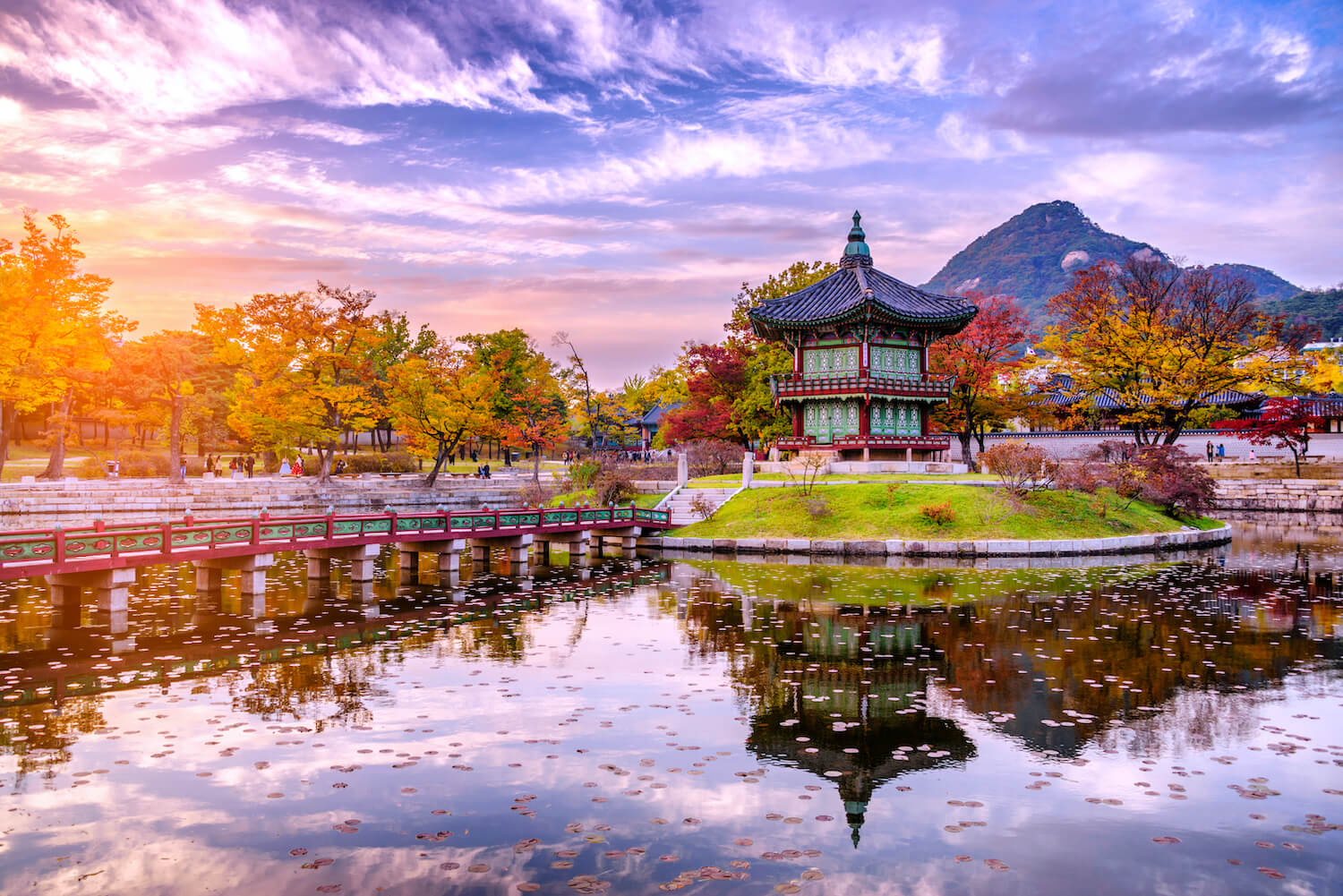
 Worldwide famous as South Korea’s dynamic capital, Seoul is renowned for its vibrant cityscape, rich royal heritage, cutting-edge technology and influential pop culture. Blending centuries-old palaces with futuristic skyscrapers, Seoul offers a fascinating contrast between tradition and modern innovation. From tranquil Buddhist temples and historic hanok villages to neon-lit shopping districts and K-pop entertainment hubs, the city presents an exciting mix of experiences. As the heart of Korean culture, fashion and cuisine, Seoul attracts travelers seeking history, creativity, gastronomy and urban energy all in one destination.
Things to do in Seoul:- Visit grand royal palaces such as Gyeongbokgung and Changdeokgung
- Explore Bukchon Hanok Village to see traditional Korean houses
- Shop and enjoy street food in Myeongdong and Namdaemun Market
- Experience K-pop culture and nightlife in Hongdae and Gangnam
- Walk along Cheonggyecheon Stream or hike at Namsan Park
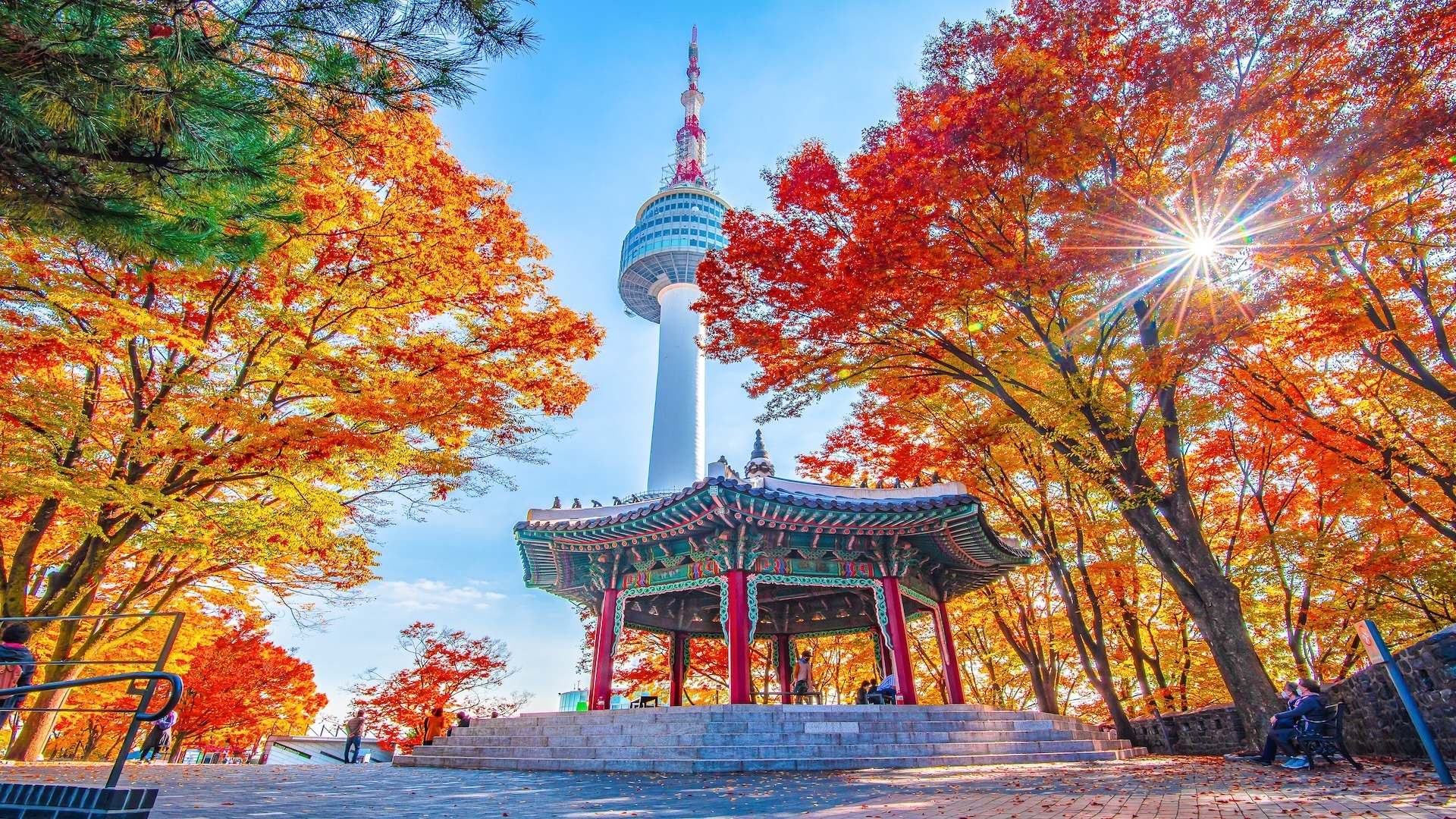
- Enjoy panoramic city views from N Seoul Tower
Top places in Seoul:- Gyeongbokgung Palace is the largest and most iconic royal palace of the Joseon Dynasty, offering ceremonial guard-changing performances.
- Bukchon Hanok Village preserves hundreds of traditional Korean houses set between modern districts.
- Myeongdong is a bustling shopping area famous for cosmetics, fashion and street food.
- Hongdae is known for its youthful atmosphere, street performances and indie art scene.
- N Seoul Tower (Namsan Tower) provides panoramic views of the city skyline, especially beautiful at night.
Seoul Transportation:- Flights: Visitors arrive at Incheon International Airport, one of Asia’s major aviation hubs, located about one hour from central Seoul.
- Local transport: Seoul has an efficient and extensive public transportation system including subways, buses and taxis. Transportation cards such as T-money are widely used.
Best time to visit Seoul:
The best time to visit Seoul is during spring (April–May) when cherry blossoms bloom, and autumn (September–October) when the weather is cool and the foliage turns vibrant red and gold. Summers can be hot and humid, while winters are cold with occasional snowfall, offering a different charm for seasonal travelers. -
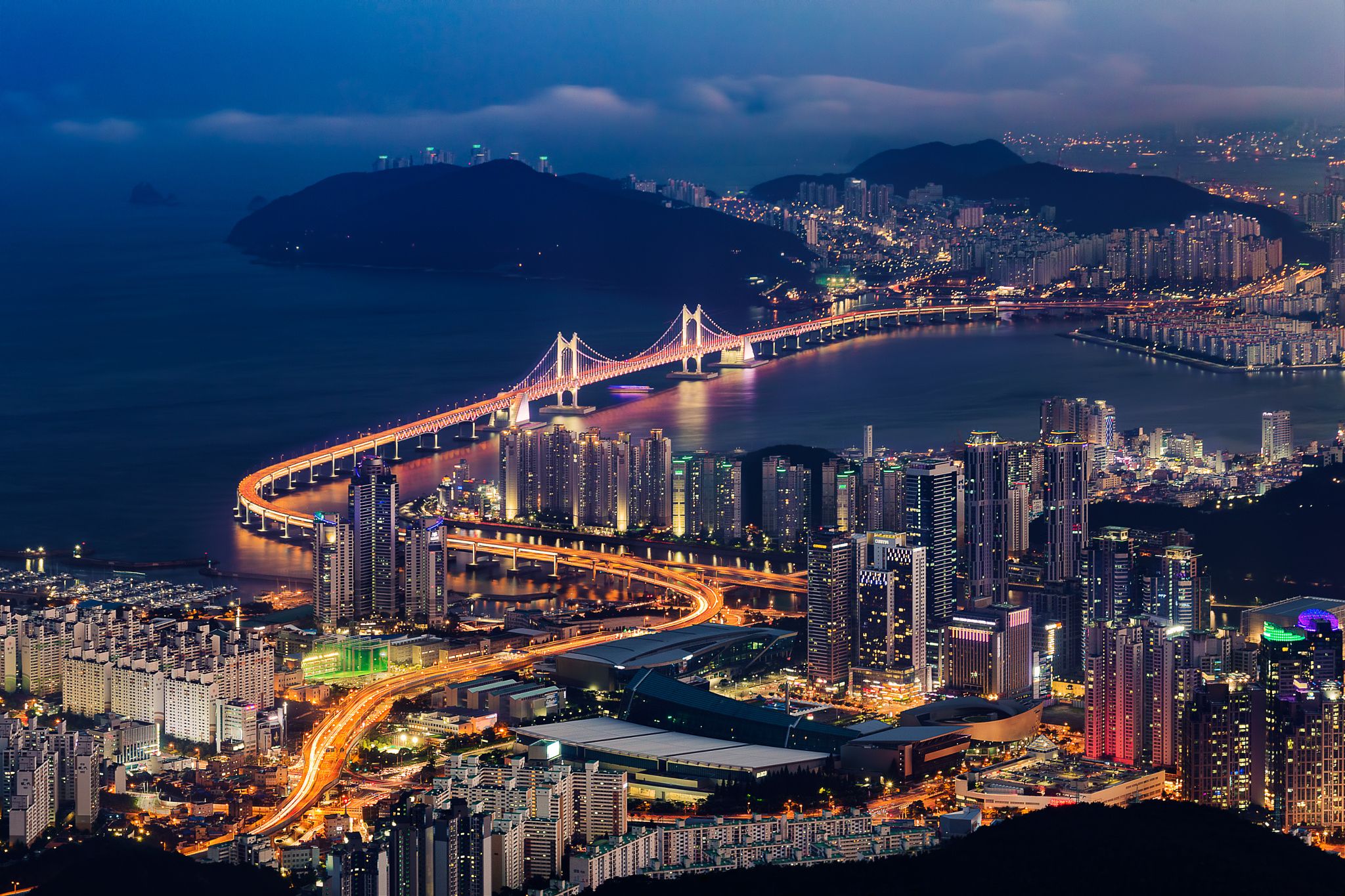 Worldwide famous as South Korea’s leading coastal city, Busan is renowned for its beautiful beaches, fresh seafood, vibrant port culture and relaxed seaside atmosphere. As the country’s second-largest city, Busan offers a refreshing contrast to Seoul’s fast-paced urban energy. Surrounded by mountains and facing the Korea Strait, the city blends modern skyscrapers, colorful hillside villages and centuries-old temples. From sandy beaches and bustling fish markets to cultural festivals and scenic coastal walks, Busan attracts travelers seeking both leisure and authentic local experiences.
Things to do in Busan:- Relax on popular beaches such as Haeundae and Gwangalli
- Visit Haedong Yonggungsa Temple overlooking the sea
- Explore Gamcheon Culture Village with its colorful houses
- Experience local seafood at Jagalchi Fish Market
- Walk along Dongbaekseom Island and coastal trails
- Enjoy nightlife and ocean views at Gwangalli Beach
Top places in Busan:- Haeundae Beach is Busan’s most famous beach, known for its long sandy shoreline and summer festivals.
- Gwangalli Beach offers stunning night views of the illuminated Gwangan Bridge.
- Haedong Yonggungsa Temple is a rare seaside temple dramatically set on rocky cliffs.
- Gamcheon Culture Village features vibrant murals, art installations and panoramic city views.
- Jagalchi Fish Market is Korea’s largest seafood market, showcasing Busan’s maritime heritage.
Busan Transportation:- Flights: Visitors arrive at Gimhae International Airport, which connects Busan with major domestic and international destinations.
- Local transport: Busan has an efficient subway and bus network, along with taxis and convenient transportation cards similar to Seoul. High-speed KTX trains link Busan to Seoul in about 2.5 hours.
Best time to visit Busan:
The best time to visit Busan is during spring (April–May) and autumn (September–October) when the weather is mild and ideal for outdoor activities. Summer (June–August) is popular for beach travel and the Busan International Film Festival takes place in autumn, adding cultural excitement to the city. -
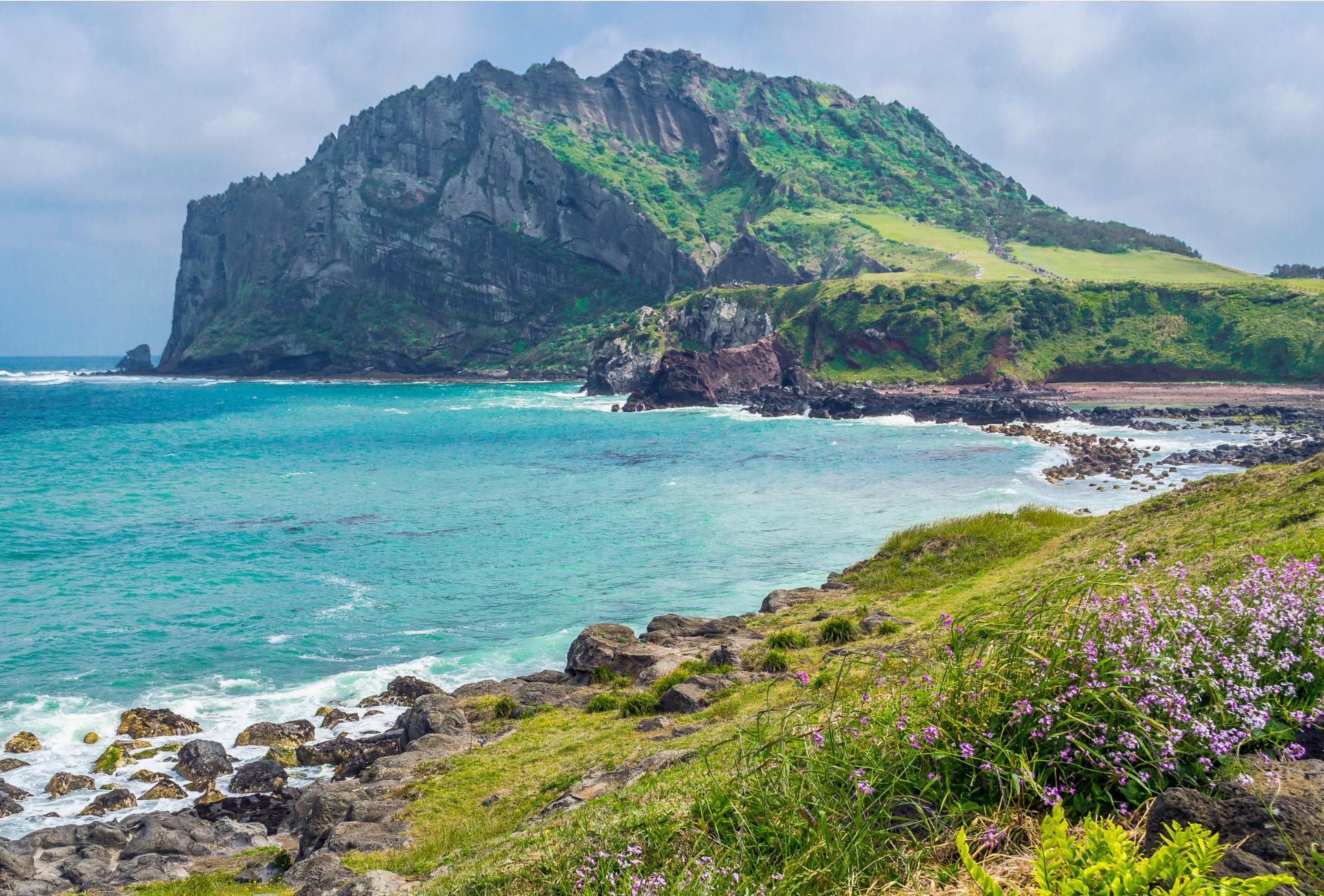 Worldwide famous as South Korea’s most iconic island destination, Jeju is renowned for its dramatic volcanic landscapes, pristine beaches, unique cultural heritage and relaxed island atmosphere. Often referred to as the “Hawaii of Korea,” Jeju offers a diverse range of experiences, from scenic coastal drives and UNESCO-listed natural wonders to traditional villages and fresh seafood markets. Formed by volcanic activity millions of years ago, the island is home to lava tubes, waterfalls and the majestic Hallasan Mountain at its center. With its natural beauty, clean air and tranquil charm, Jeju attracts travelers seeking both adventure and peaceful retreat.
Things to do in Jeju:- Hike Hallasan Mountain, South Korea’s highest peak
- Explore the UNESCO-listed Seongsan Ilchulbong (Sunrise Peak)
- Relax on beautiful beaches such as Hyeopjae and Jungmun
- Visit Manjanggul Lava Tube, one of the world’s longest lava tunnels
- Discover Jeju’s traditional culture and stone villages
- Enjoy fresh seafood and local specialties like black pork
Top places in Jeju:- Hallasan National Park is the island’s natural centerpiece, offering scenic hiking trails and diverse ecosystems.
- Seongsan Ilchulbong (Sunrise Peak) is a volcanic crater rising dramatically from the sea, famous for its sunrise views.
- Jungmun Beach is a popular resort area known for its clear waters and luxury hotels.
- Manjanggul Lava Tube showcases Jeju’s volcanic origins with impressive underground formations.
- Seopjikoji Coast features dramatic cliffs, ocean views and picturesque walking paths.
Jeju Transportation:- Flights: Visitors arrive at Jeju International Airport, one of Korea’s busiest airports, with frequent domestic flights from Seoul and other major cities.
- Local transport: Buses, taxis and rental cars are widely available. Renting a car is often recommended for exploring the island’s natural attractions conveniently.
Best time to visit Jeju:
The best time to visit Jeju is during spring (April–May) and autumn (September–October) when the weather is mild and ideal for hiking and sightseeing. Spring is especially beautiful with cherry blossoms and canola flowers in bloom. Summer is popular for beach activities, while winter offers peaceful scenery and occasional snow on Hallasan. -
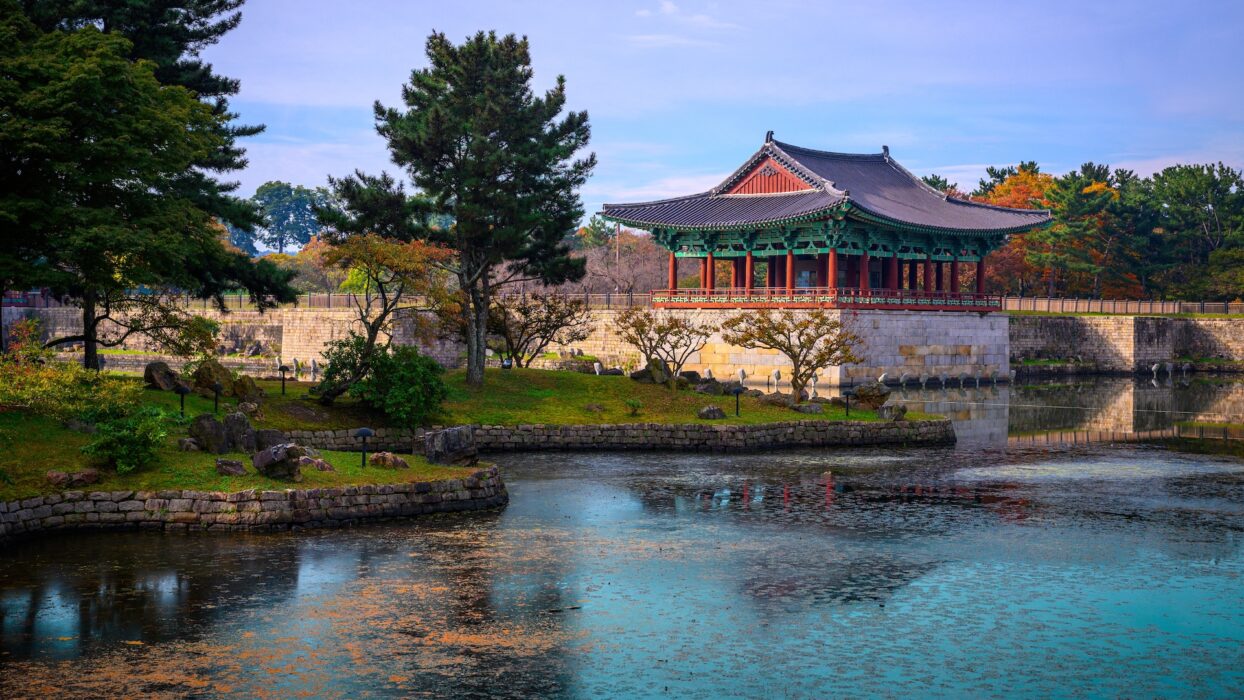 Worldwide famous as Korea’s “museum without walls,” Gyeongju is renowned for its extraordinary historical heritage, ancient royal tombs, and well-preserved cultural treasures. Once the capital of the Silla Kingdom for nearly a thousand years, Gyeongju offers a unique journey back in time, where centuries-old temples, stone pagodas, and burial mounds blend harmoniously with peaceful countryside scenery. The city is a remarkable fusion of history and natural beauty, where Confucian traditions, Buddhist art, and royal legacy remain deeply rooted in everyday life. With its cultural depth, tranquil atmosphere, and UNESCO World Heritage sites, Gyeongju attracts travelers seeking both education and serenity.
Things to do in Gyeongju:- Explore Bulguksa Temple, one of Korea’s most important Buddhist temples
- Visit Seokguram Grotto, home to a magnificent stone Buddha overlooking the East Sea
- Walk or cycle around Bomun Lake Resort area
- Discover Daereungwon Tomb Complex and Cheonmachong Ancient Tomb
- Experience traditional Korean architecture at Gyochon Hanok Village
- Enjoy seasonal cherry blossoms in spring and colorful foliage in autumn
Top places in Gyeongju:- Bulguksa Temple is a UNESCO World Heritage Site and a masterpiece of Silla-era Buddhist architecture, featuring elegant stone pagodas and wooden halls.
- Seokguram Grotto houses a serene granite Buddha statue and is considered one of the greatest masterpieces of Buddhist art in Asia.
- Daereungwon Tomb Complex contains large grassy burial mounds of Silla kings and nobles, offering insight into ancient royal culture.
- Donggung Palace and Wolji Pond (Anapji Pond) is especially beautiful at night, when the illuminated palace structures reflect on the water.
- Cheomseongdae Observatory, the oldest surviving astronomical observatory in East Asia, symbolizes the scientific achievements of the Silla Kingdom.
Gyeongju Transportation:- Flights: The nearest major airport is Ulsan Airport or Busan’s Gimhae International Airport. From there, visitors can reach Gyeongju by bus or train.
- Train & Bus: Gyeongju is accessible via KTX high-speed train (Singyeongju Station) and express buses from Seoul, Busan, and other major cities.
- Local transport: City buses, taxis, bicycle rentals, and tour buses are commonly used to explore the main attractions.
Best time to visit Gyeongju:
The best time to visit Gyeongju is in spring (April–May) and autumn (September–October), when the weather is mild and the scenery is especially beautiful. Cherry blossoms in spring and vibrant autumn foliage enhance the charm of historical sites. The city also hosts cultural festivals throughout the year, celebrating its rich Silla heritage. -
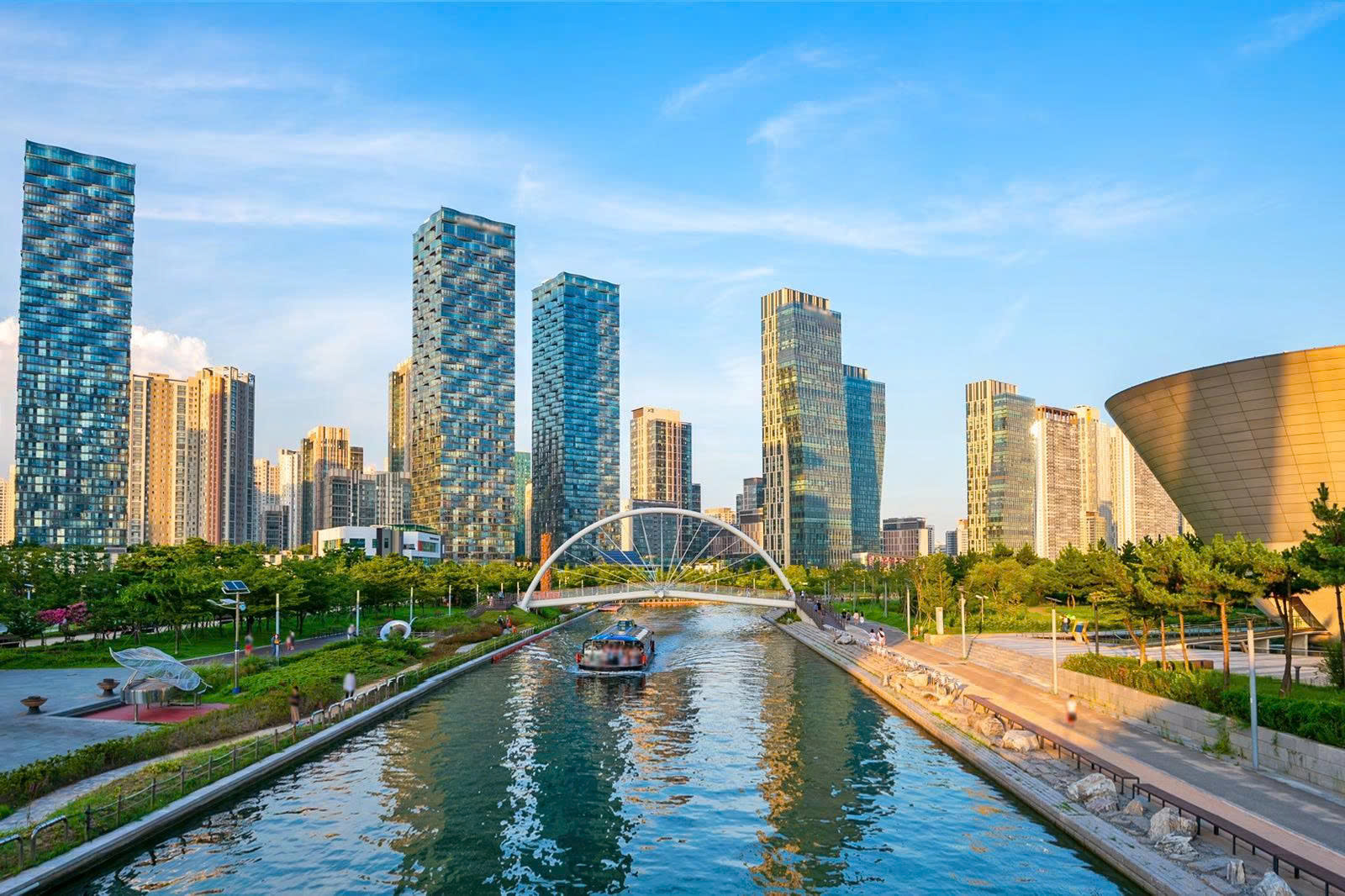 Worldwide famous as South Korea’s major international gateway, Incheon is renowned for its modern skyline, coastal scenery, and dynamic blend of global and local culture. Located just west of Seoul, Incheon is home to the award-winning Incheon International Airport and serves as a key hub connecting Korea with the world. Beyond its role as a transportation center, the city offers diverse experiences — from futuristic smart-city districts and seaside parks to historic neighborhoods and vibrant Chinatown. Incheon is a harmonious mix of innovation and heritage, where cutting-edge urban development stands alongside traditional markets and cultural landmarks. With its waterfront charm, multicultural atmosphere, and convenient accessibility, Incheon attracts travelers seeking both convenience and unique urban exploration.
Things to do in Incheon:- Explore Songdo Central Park and enjoy scenic waterfront walks
- Visit Incheon Chinatown, the largest Chinatown in Korea
- Discover Wolmido Island for seaside views and amusement rides
- Experience local street food and traditional markets in Sinpo
- Walk along Eurwangni Beach or Wangsan Beach
- Visit cultural sites such as Jayu (Freedom) Park and historical open port areas
Top places in Incheon:- Songdo International Business District is a modern smart city known for its sleek skyscrapers, eco-friendly design, and Central Park inspired by New York’s famous park.
- Incheon Chinatown offers colorful streets, Chinese-Korean cuisine such as jajangmyeon, and cultural museums reflecting the city’s multicultural history.
- Wolmido Island is a popular coastal attraction featuring ocean views, seafood restaurants, and small amusement parks.
- Jayu Park (Freedom Park) is Korea’s first modern park and provides panoramic views of the harbor and surrounding city.
- Eurwangni Beach is a relaxing seaside destination known for its soft sand and beautiful sunsets near the airport.
Incheon Transportation:- Flights: Incheon International Airport (ICN) is Korea’s largest airport, connecting the country with major cities worldwide.
- Train & Subway: Incheon is well connected to Seoul and surrounding regions via AREX airport train, subway lines, and KTX high-speed rail (from nearby stations).
- Local transport: Buses, taxis, and an efficient subway system make it easy to travel within the city.
Best time to visit Incheon:
The best time to visit Incheon is during spring (April–May) and autumn (September–October), when the weather is mild and ideal for outdoor sightseeing. Cherry blossoms in spring and colorful autumn foliage enhance the city’s parks and coastal scenery. Summer is lively with beach activities and festivals, while winter offers a quieter atmosphere with crisp seaside views.

 +84 24 3747 2597
 Contact us