JAPAN
CHARMING JAPAN
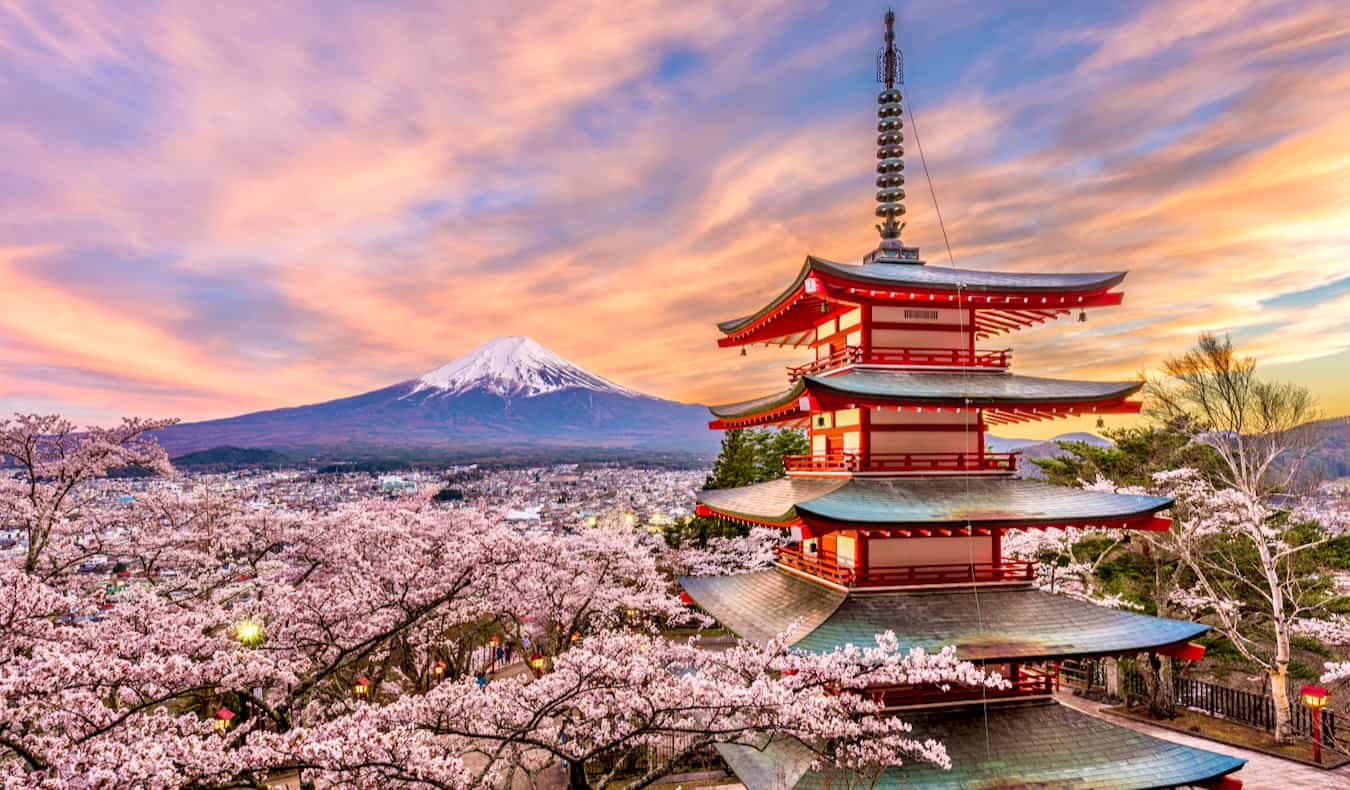
Japan stretches like a graceful arc across the Pacific Ocean, an island nation where ancient traditions and modern innovation exist in perfect balance. Coastal Japan is famed for its dramatic shorelines, scenic bays, and picturesque islands such as Okinawa and Miyajima. Inland Japan reveals majestic mountain ranges, including Mount Fuji, along with serene forests, hot springs, and timeless villages where centuries-old customs quietly endure. Above all, historically rich Japan is defined by its refined cultural heritage—from samurai history and Shinto shrines to tea ceremonies and seasonal festivals celebrated across the archipelago. The harmonious blend of natural beauty, spiritual depth, and vibrant contemporary life creates a truly unforgettable journey.
Japan TOURS
discover Japan
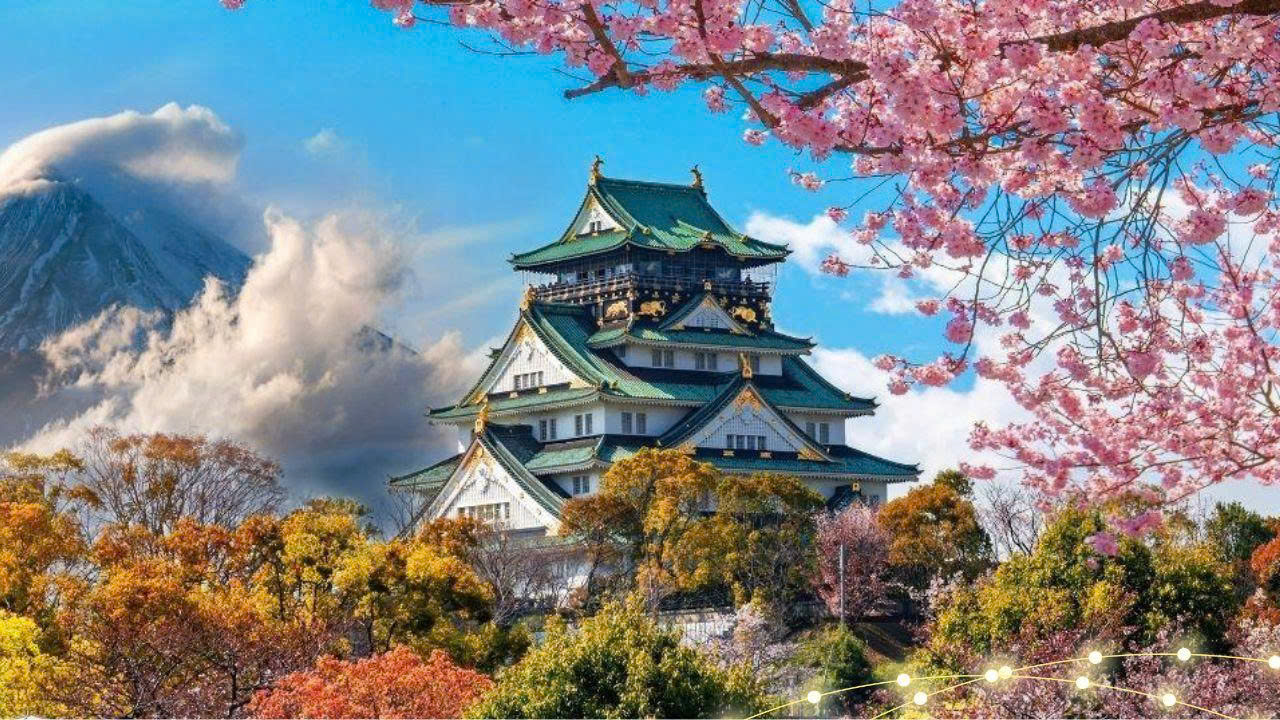
Japan is commonly divided into several main regions, including Hokkaido, Tohoku, Kanto, Chubu, Kansai, Chugoku, Shikoku, and Kyushu.
Northern Japan, especially Hokkaido and the Tohoku region, is famous for vast natural landscapes, snow-covered mountains, volcanic lakes, and seasonal flower fields. Cities like Sapporo and Sendai offer a blend of urban charm and scenic beauty. Central Japan, including the Kanto and Chubu regions, features iconic landmarks such as Mount Fuji and dynamic cities like Tokyo. Visitors can experience historical sites, traditional ryokan inns, hot springs, and stunning coastlines. The Kansai region is home to cultural treasures such as Kyoto, Osaka, and Nara, where ancient temples, shrines, and vibrant street food reflect Japan’s rich heritage. Meanwhile, southern Kyushu and Okinawa boast subtropical beaches, volcanic landscapes, and unique island traditions, showcasing the diverse spirit of Japan.
-
JAPAN VISA EXEMPTION
As of 2025, holders of ordinary passports from many countries and territories may enter Japan for short-term stays without a visa under Japan’s visa exemption arrangements. The permitted length of stay is generally up to 90 days for tourism, business meetings, visiting relatives or short-term activities (varies by nationality).
Eligible regions include (but are not limited to): United States, Canada, Australia, United Kingdom, European Union member states, Singapore, Malaysia, Thailand, Hong Kong SAR, Republic of Korea and many other countries with bilateral visa waiver agreements
Visa-free entry is strictly for short-term purposes and does not permit paid work. The permitted period of stay is determined by Japanese Immigration officers upon arrival and cannot generally be extended beyond the designated short-term status (except in limited cases).
JAPAN VISA ON ARRIVAL (VOA / e-VOA)
Japan does not offer a Visa on Arrival for ordinary passport holders. Travelers from countries not covered by visa exemption must obtain a visa prior to departure.
However, Japan provides an online visa application system (Japan eVISA) for short-term stays for eligible nationalities and residents of certain countries.
Short-term visas are typically:
- Valid for tourism, business visits, conferences, or visiting friends/relatives
- Usually granted for stays up to 90 days (depending on nationality and approval)
- Not extendable for tourism purposes
General requirements include:
- Passport valid for the duration of stay
- Completed visa application form
- Recent passport-style photo
- Flight itinerary and accommodation details
- Proof of financial capacity
- Additional documents may be required depending on nationality.
JAPAN E-VISA (PRE-TRAVEL)
Japan offers an official online eVISA system for short-term tourism to eligible applicants. Applications must be submitted online before travel through the official Japan eVISA portal.
Required documents typically include:
- Valid passport
- Digital passport-size photograph
- Travel itinerary and accommodation details
- Proof of return or onward ticket
- Financial documents if requested
- Processing times vary, and approval must be received before departure.
JAPAN ARRIVAL PROCEDURES (VISIT JAPAN WEB)
All travelers are encouraged to register through Visit Japan Web, an online platform that allows passengers to complete immigration and customs procedures in advance. QR codes generated through the system can help speed up arrival formalities.
Important notes:
- Visa-free stays are limited to short-term activities and do not allow employment.
- Japan does not provide Visa on Arrival for ordinary passports.
- Overstaying any visa in Japan may result in fines, detention, deportation, and future entry restrictions.
- Entry requirements may change; travelers should check with the nearest Japanese Embassy or official immigration sources before departure. -
BEST TIME TO TRAVEL
Japan stretches from the snowy landscapes of Hokkaido in the north to the subtropical islands of Okinawa in the south, and the best time to visit depends largely on the regions you plan to explore. Major destinations such as Tokyo, Kyoto, Osaka and Mount Fuji are known for historic temples, modern cityscapes and seasonal scenery. Northern Japan offers winter sports and dramatic natural beauty, while southern regions feature warmer climates and coastal escapes. Due to its geographical range, Japan experiences four distinct seasons, each offering unique travel experiences. With thoughtful planning, Japan can be visited year-round.
BEST TIME TO GET A JAPAN BEACH HOLIDAY
While Japan is more famous for culture and seasonal landscapes, it also offers appealing beach destinations:
Okinawa & Southern Islands:
The best time for beach weather is from May to October, with warm temperatures ideal for swimming, snorkeling and diving.
Shonan Coast (near Tokyo) & Izu Peninsula:
Summer (July to August) is most popular for seaside relaxation and water activities.
Kyushu & Western Japan:
Late spring to early autumn offers pleasant coastal conditions and fewer typhoons compared to peak summer months.
4 SEASONS OF TRAVELING TO JAPAN- Spring (March to May): One of the most popular times to visit, especially for cherry blossom season (late March to early April in most regions). Mild temperatures and blooming landscapes make it ideal for sightseeing.
- Summer (June to August): Warm and humid, with vibrant festivals such as Gion Matsuri (Kyoto) and fireworks displays nationwide. Hokkaido offers cooler weather and flower fields during this period.
- Autumn (September to November): Another peak season, known for colorful autumn foliage, comfortable temperatures and scenic mountain views.
- Winter (December to February): Cold in northern regions, but perfect for skiing in Hokkaido and the Japanese Alps. Cities are less crowded, and winter illuminations add a festive atmosphere.
THE BEST TIME TO VISIT OR THE BEST TRAVEL INTEREST & DESTINATION IN JAPAN?
Japan is not only about cherry blossoms. Spring and autumn are ideal for cultural sightseeing in Kyoto and Tokyo. Winter attracts ski enthusiasts to Niseko and Nagano. Summer festivals and Mount Fuji climbing season (July–September) offer energetic outdoor experiences. Seasonal cuisine, traditional festivals and natural beauty ensure that every time of year provides a different perspective.
In conclusion, there is no single best time to visit Japan—only the best season that matches your travel interests and preferred experiences. -
HEALTH REQUIREMENTS
There are no mandatory vaccinations required to enter Japan for most travelers. However, visitors are advised to consult a doctor before departure regarding routine vaccinations such as tetanus, hepatitis A & B, and influenza. Japan has a high standard of healthcare and hygiene, and medical facilities are modern and well-equipped. Comprehensive Travel Insurance covering medical treatment, accidents and trip disruptions is strongly recommended, as healthcare costs can be high for non-residents.
ELECTRICITY
Japan uses a standard electricity supply of 100V, 50/60Hz (50Hz in eastern Japan including Tokyo; 60Hz in western Japan including Osaka and Kyoto). The most common plug types are Type A and Type B (flat two-pin plugs). Travelers may need a voltage converter and plug adapter depending on their devices.
CURRENCY, MONEY EXCHANGE & ATM
The local currency is the Japanese Yen (JPY). Money can be exchanged at banks, airports and authorized exchange counters. Credit cards are widely accepted in cities, hotels and department stores, though smaller shops and rural areas may prefer cash. ATMs are widely available, especially at convenience stores such as 7-Eleven, and accept most international cards.
PACKING LIST
Packing depends on the season. Comfortable walking shoes are essential. In spring and autumn, bring light layers. Summers are hot and humid—light clothing, sunscreen and a hat are recommended. Winters can be cold, especially in northern regions, so warm clothing is necessary. Modest attire is appropriate when visiting temples and shrines.
SAFETY
Japan is considered one of the safest countries in the world. Violent crime is rare, but travelers should remain aware of their belongings in crowded areas and on public transport.
ETIQUETTE- Bowing is a common form of greeting.
- Remove shoes when entering homes and some traditional accommodations.
- Speak quietly on public transport.
- Do not tip—tipping is not customary in Japan.
- Follow rules when using hot springs (onsen), including washing before entering baths.
TIME ZONE & WORKING HOURS
Japan operates on Japan Standard Time (JST), GMT +9 with no daylight saving time. Government offices typically operate Monday–Friday, 9:00 a.m. – 5:00 p.m. Shops in major cities often open daily and may stay open late.
MUSEUMS OPENING TIME
Most museums are open from 9:00 or 10:00 a.m. to 5:00 p.m., with some closed on Mondays or public holidays. Check specific venues for details.
LANGUAGE
Japanese is the official language. English signage is common in major cities and tourist areas, though English proficiency may vary.
INTERNET
High-speed internet is widely available. Free Wi-Fi is common in hotels, stations and cafés. Portable Wi-Fi devices and prepaid SIM cards are easily accessible.
POST SERVICES
Postal services are operated by Japan Post, offering reliable domestic and international mail and EMS services.
TELECOMMUNICATIONS
Prepaid SIM cards and eSIMs are available at airports and electronics stores. Major providers include NTT Docomo, SoftBank and au.
DOMESTIC FLIGHTS & AIRPORT TAXES
Japan has an extensive domestic flight network. Travelers should arrive at least 1–1.5 hours before domestic departures. Airport taxes are generally included in ticket prices.
FOOD AND DRINKS – Japan travel tips
Japanese cuisine is diverse and seasonal, featuring sushi, ramen, tempura, udon and regional specialties. Tap water is safe to drink throughout Japan.
SHOPPING & BARGAINING
Shopping ranges from luxury department stores to local markets. Popular items include electronics, cosmetics, traditional crafts and souvenirs. Prices are generally fixed—bargaining is not customary.
-
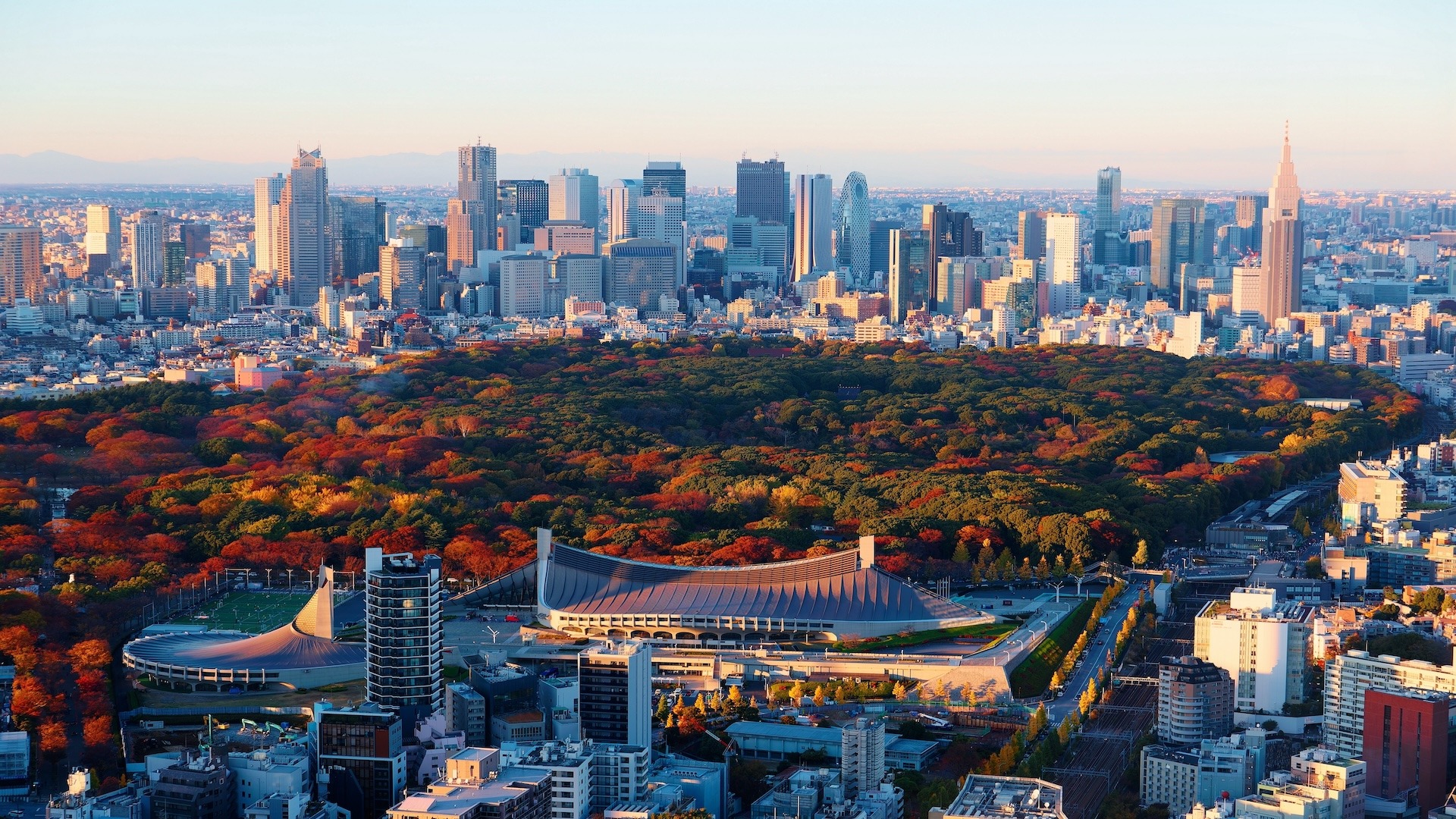
Worldwide famous as Japan’s dynamic capital, Tokyo is a fascinating metropolis where ultra-modern technology meets centuries-old traditions. The city is known for its neon-lit skyline, historic temples, world-class cuisine and vibrant pop culture. From futuristic districts to peaceful gardens and shrines, Tokyo offers endless contrasts. With its energy, efficiency and cultural diversity, Tokyo attracts travelers seeking innovation, entertainment and authentic Japanese experiences.
Things to do in Tokyo:- Explore Shibuya Crossing and Harajuku’s trendy streets
- Visit historic Asakusa and Senso-ji Temple
- Enjoy panoramic views from Tokyo Skytree or Tokyo Tower
- Experience anime, manga and gaming culture in Akihabara
- Discover fresh seafood at Toyosu Market
- Relax in traditional gardens like Shinjuku Gyoen
Top places in Tokyo:- Shibuya is famous for its iconic crossing and youthful atmosphere.
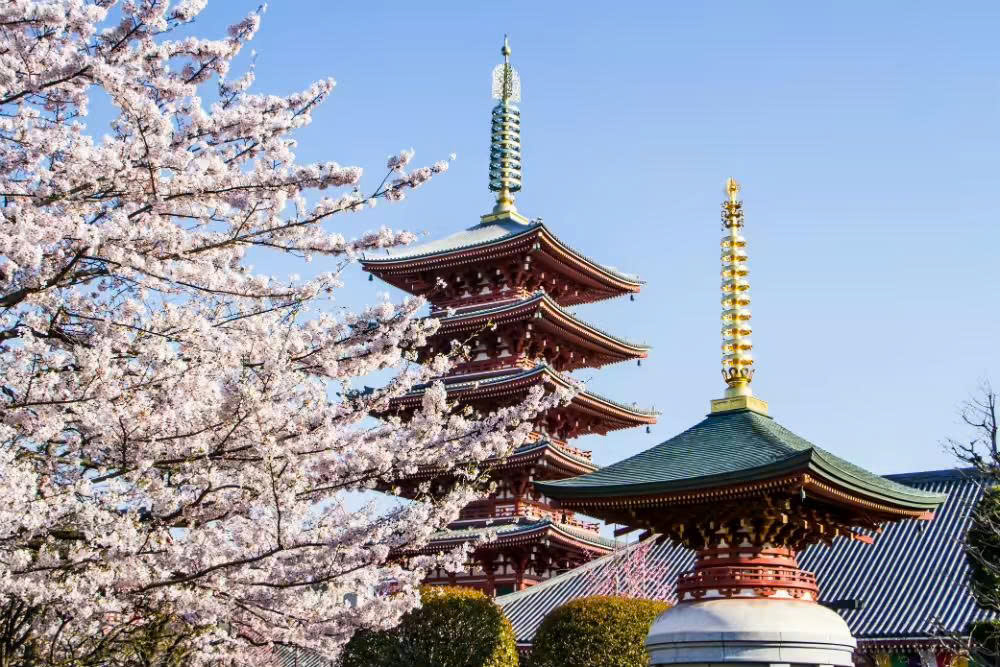
- Asakusa preserves Tokyo’s traditional charm and historic temples.
- Shinjuku offers skyscrapers, shopping and nightlife.
- Ginza is known for luxury shopping and fine dining.
- Odaiba features waterfront attractions and futuristic architecture.
Tokyo Transportation:- Flights: Served by Narita and Haneda International Airports.
- Local transport: Extensive train and subway networks connect the entire city efficiently.
Best time to visit Tokyo:
Spring (March–April) for cherry blossoms and autumn (October–November) for colorful foliage. -
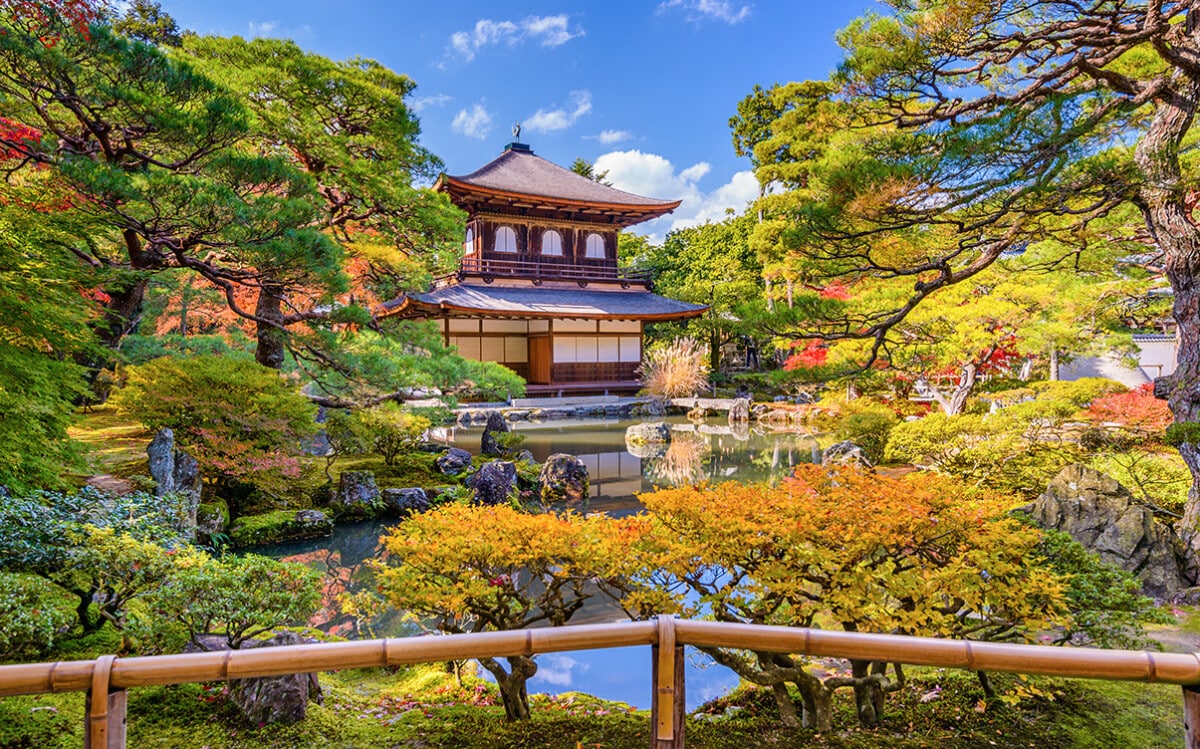
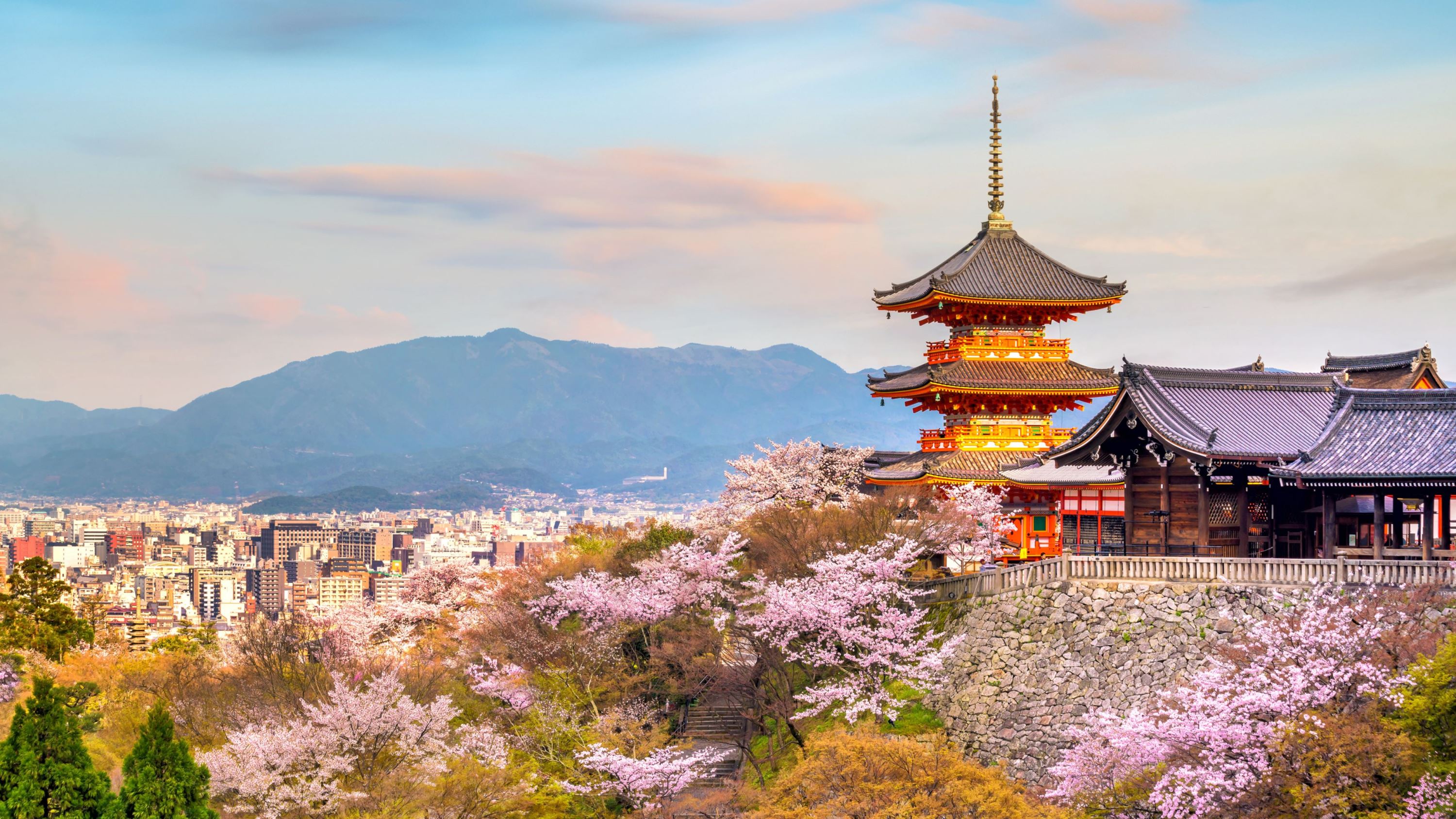 Renowned as Japan’s cultural heart, Kyoto is famous for its classical temples, shrines, geisha districts and seasonal beauty. Once the imperial capital, Kyoto preserves traditional architecture and spiritual heritage. The city offers a serene atmosphere where wooden houses, tea ceremonies and Zen gardens reflect Japan’s timeless elegance.
Things to do in Kyoto:- Visit Fushimi Inari Shrine with its red torii gates
- Explore Kinkaku-ji (Golden Pavilion)
- Walk through Arashiyama Bamboo Grove
- Experience a traditional tea ceremony
- Discover Gion’s historic geisha district
- Admire cherry blossoms and autumn leaves
Top places in Kyoto:- Fushimi Inari is one of Japan’s most iconic shrines.
- Kiyomizu-dera offers panoramic city views.
- Arashiyama is known for nature and temples.
- Gion preserves traditional wooden streets.
- Nishiki Market offers local specialties.
Kyoto Transportation:- • Accessible by bullet train from Tokyo and Osaka.
- • Buses and trains connect major attractions.
Best time to visit Kyoto:
Spring and autumn for pleasant weather and stunning scenery. -
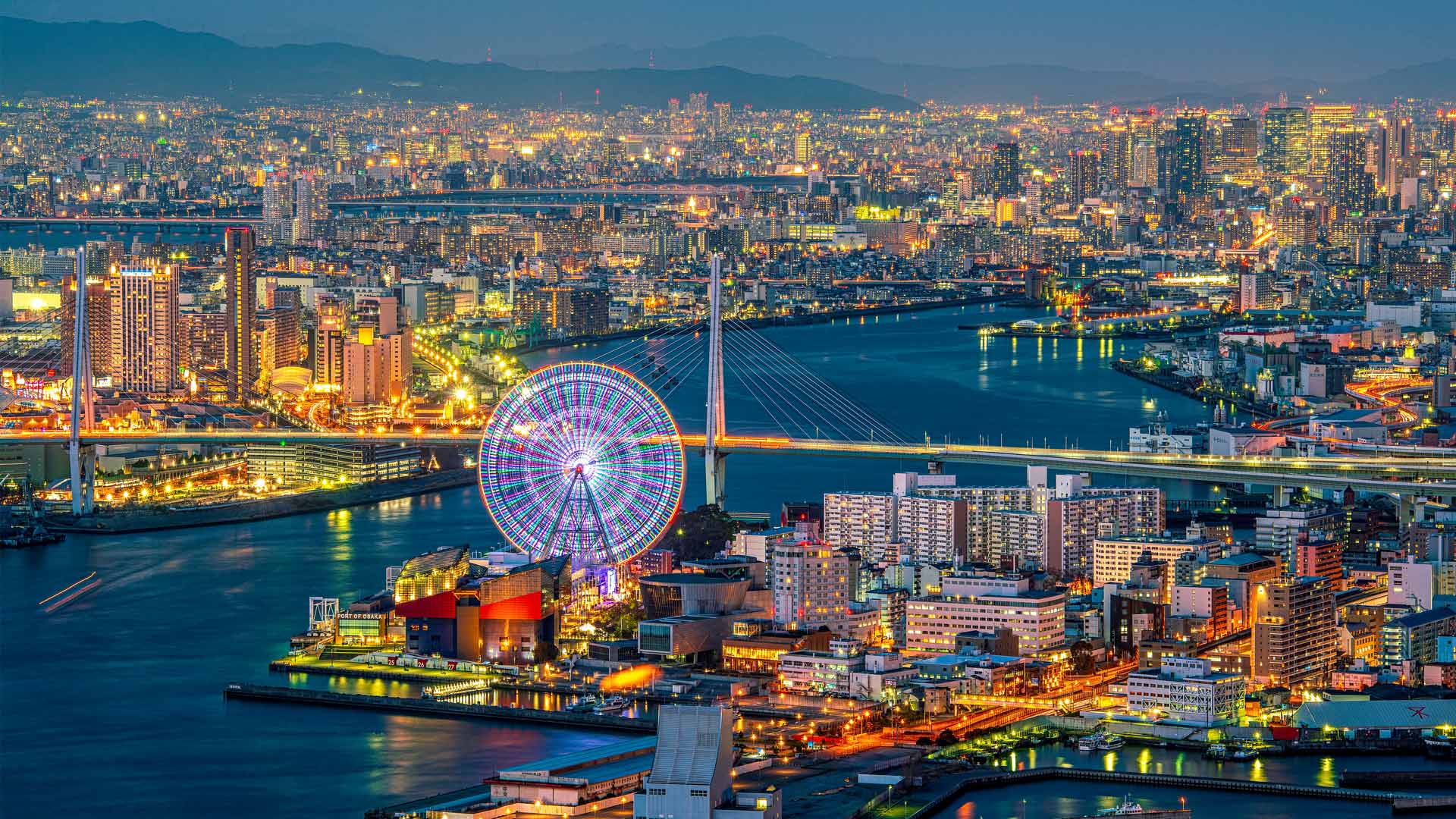 Known as Japan’s kitchen, Osaka is famous for its street food, friendly locals and lively entertainment districts. The city blends modern attractions with historical landmarks, offering a vibrant and welcoming atmosphere. Osaka is perfect for travelers who love food, nightlife and urban exploration.
Things to do in Osaka:- Try takoyaki and okonomiyaki in Dotonbori
- Visit Osaka Castle
- Explore Universal Studios Japan
- Shop in Shinsaibashi
- Experience Kuromon Market
- Enjoy panoramic views from Umeda Sky Building
Top places in Osaka:- Dotonbori is the city’s food and entertainment hub.
- Osaka Castle is a symbol of history and culture.
- Umeda is a modern business and shopping district.
- Shinsekai reflects retro Osaka charm.
- Universal Studios attracts families and thrill-seekers.
Osaka Transportation:- Served by Kansai International Airport.
- Efficient subway and rail systems connect the city.
Best time to visit Osaka:
Spring and autumn for comfortable temperatures and festivals. -
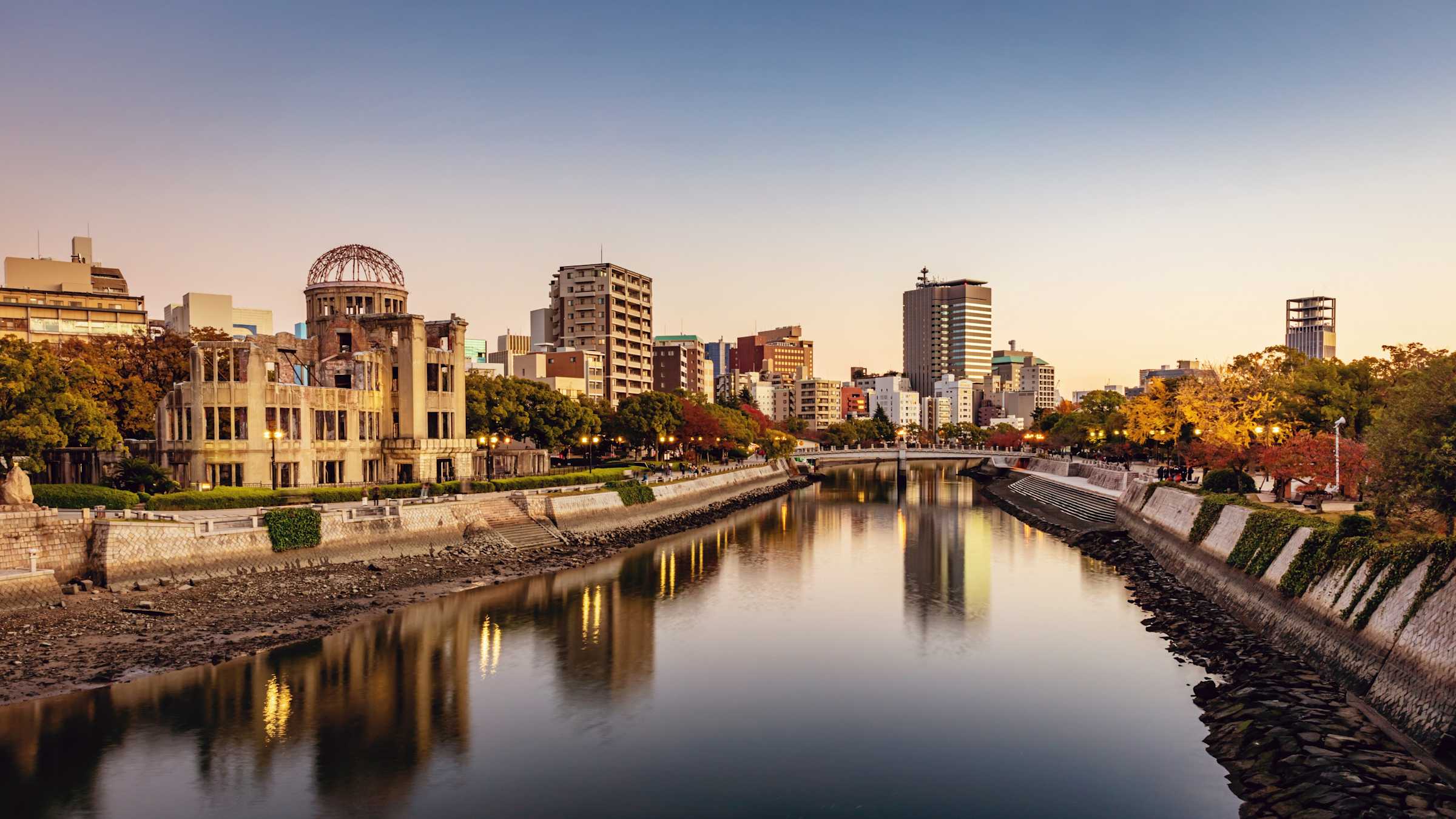 Globally recognized for its history and resilience, Hiroshima is a city of peace and reflection. Beyond its historical significance, Hiroshima offers scenic beauty, friendly atmosphere and nearby island landscapes. It is a destination that combines remembrance with hope and cultural richness.
Things to do in Hiroshima:- Visit Hiroshima Peace Memorial Park
- Explore Hiroshima Peace Memorial Museum
- Take a ferry to Miyajima Island
- See the floating torii gate of Itsukushima Shrine
- Try Hiroshima-style okonomiyaki
- Walk along scenic riversides
Top places in Hiroshima:- Peace Memorial Park honors history and peace.
- Miyajima Island is famous for Itsukushima Shrine.
- Hiroshima Castle reflects samurai heritage.
- Shukkeien Garden offers tranquility.
- Hondori Street is a lively shopping area.
Hiroshima Transportation:- Accessible by Shinkansen from major cities.
- Trams and buses provide local transport.
Best time to visit Hiroshima:
Spring and autumn for mild weather and beautiful landscapes. -
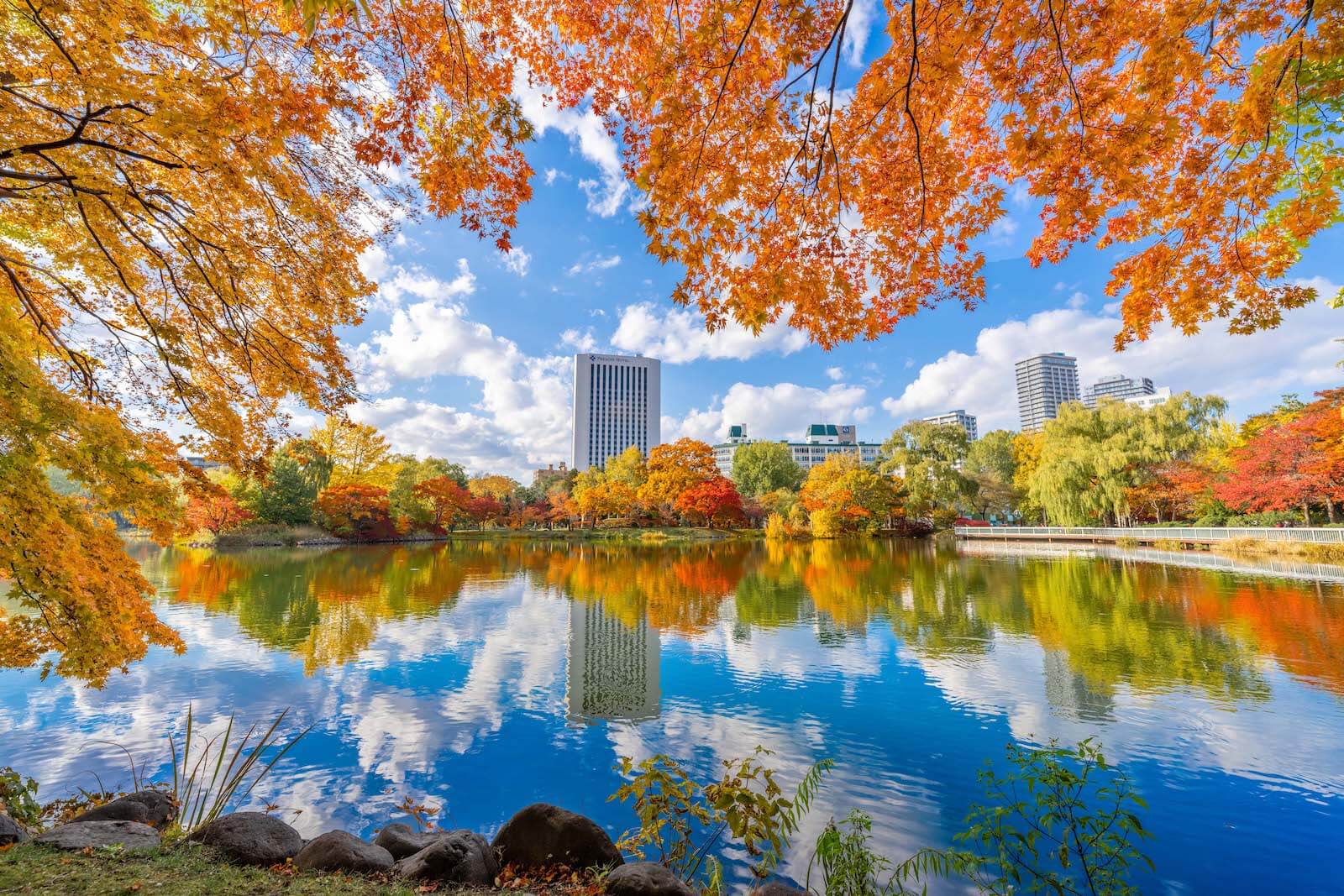 Famous for its winter snow festival, Sapporo is the largest city in Hokkaido and known for its natural beauty, fresh seafood and relaxed atmosphere. The city offers wide boulevards, parks and seasonal charm, making it attractive year-round.
Things to do in Sapporo:- Visit Sapporo Snow Festival in winter
- Explore Odori Park
- Enjoy views from Mount Moiwa
- Discover the Sapporo Beer Museum
- Taste fresh seafood and miso ramen
- Visit nearby hot springs and ski resorts
Top places in Sapporo:- Odori Park runs through the city center.
- Susukino is famous for dining and nightlife.
- Hokkaido Shrine reflects local spirituality.
- Mount Moiwa offers panoramic views.
- Otaru (nearby) is known for canals and charm.
Sapporo Transportation:- Served by New Chitose Airport.
- Subway and buses connect major areas.
Best time to visit Sapporo:
Winter for snow festivals and skiing, or summer for cool weather and outdoor activities.
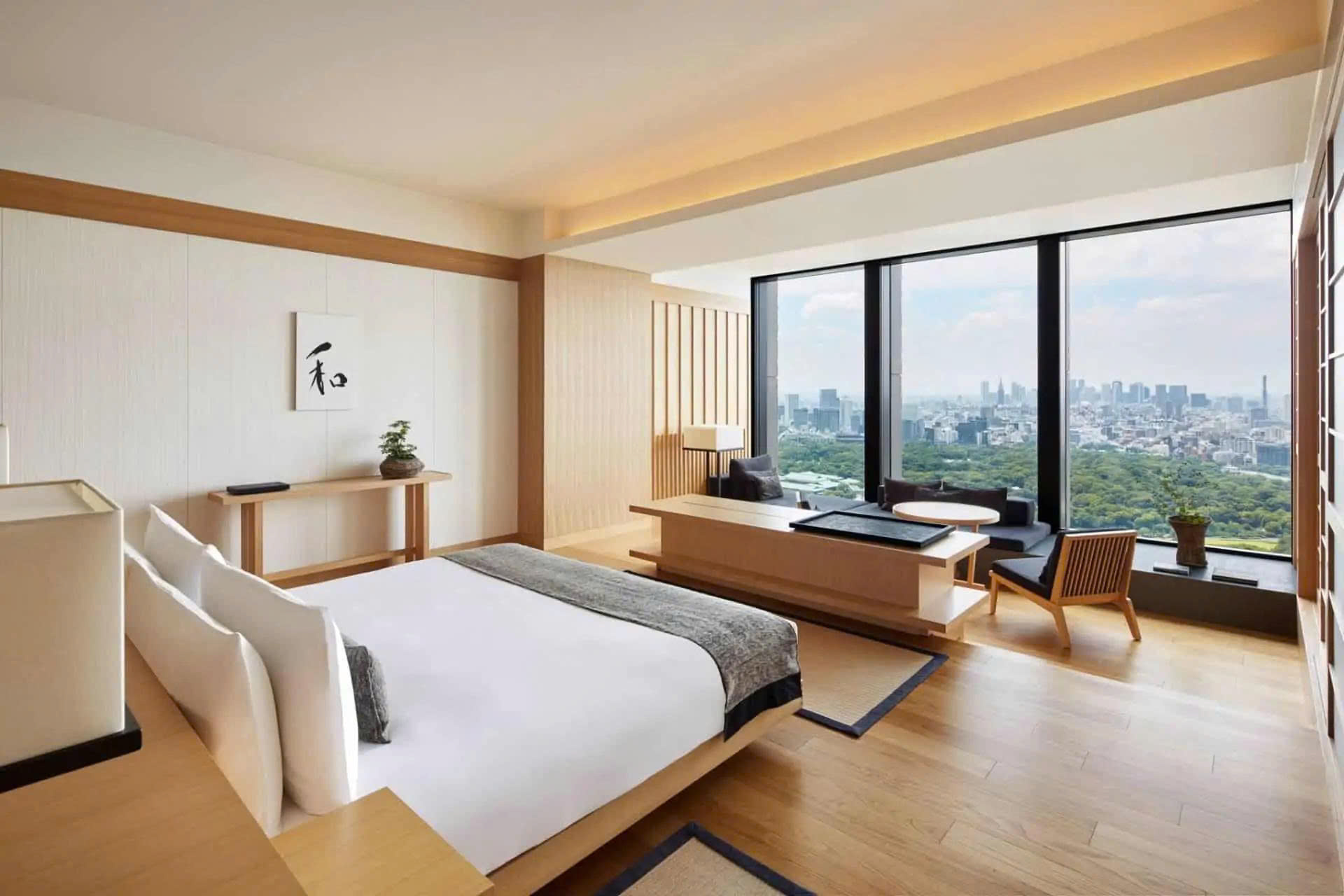
AMAN TOKYO
.jpg)
BVLGARI HOTEL TOKYO
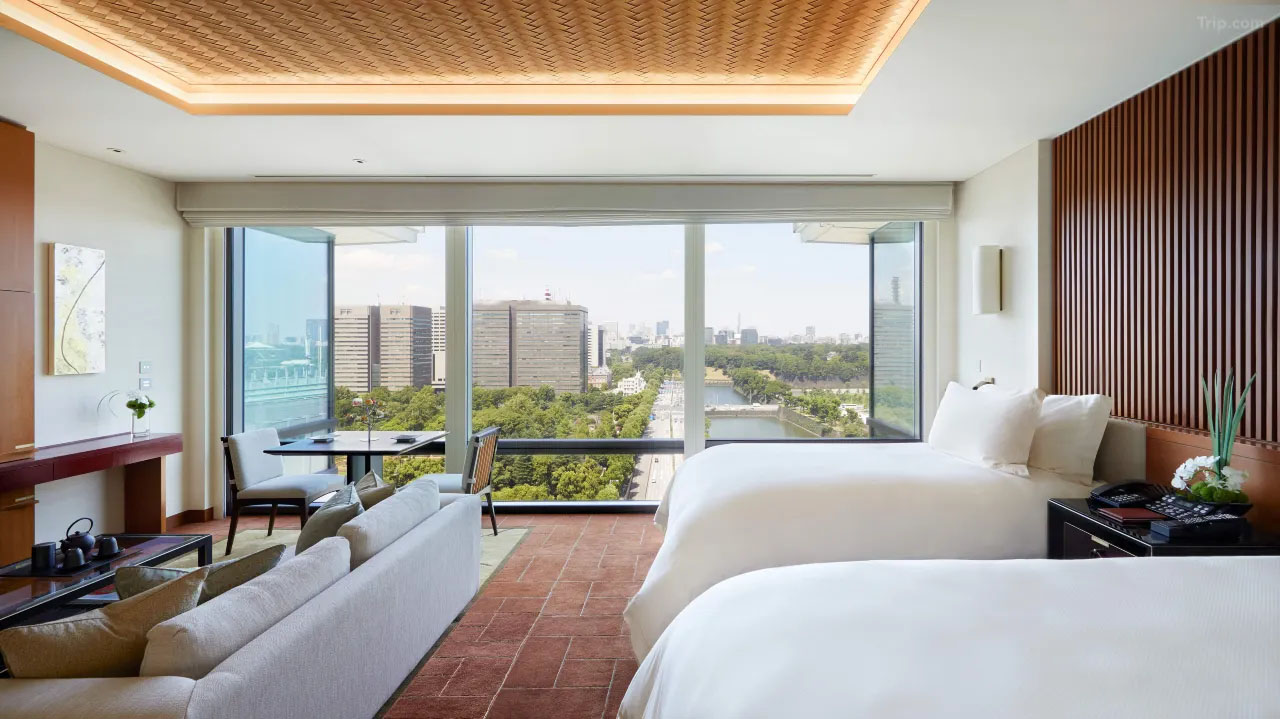
THE PENINSULA TOKYO
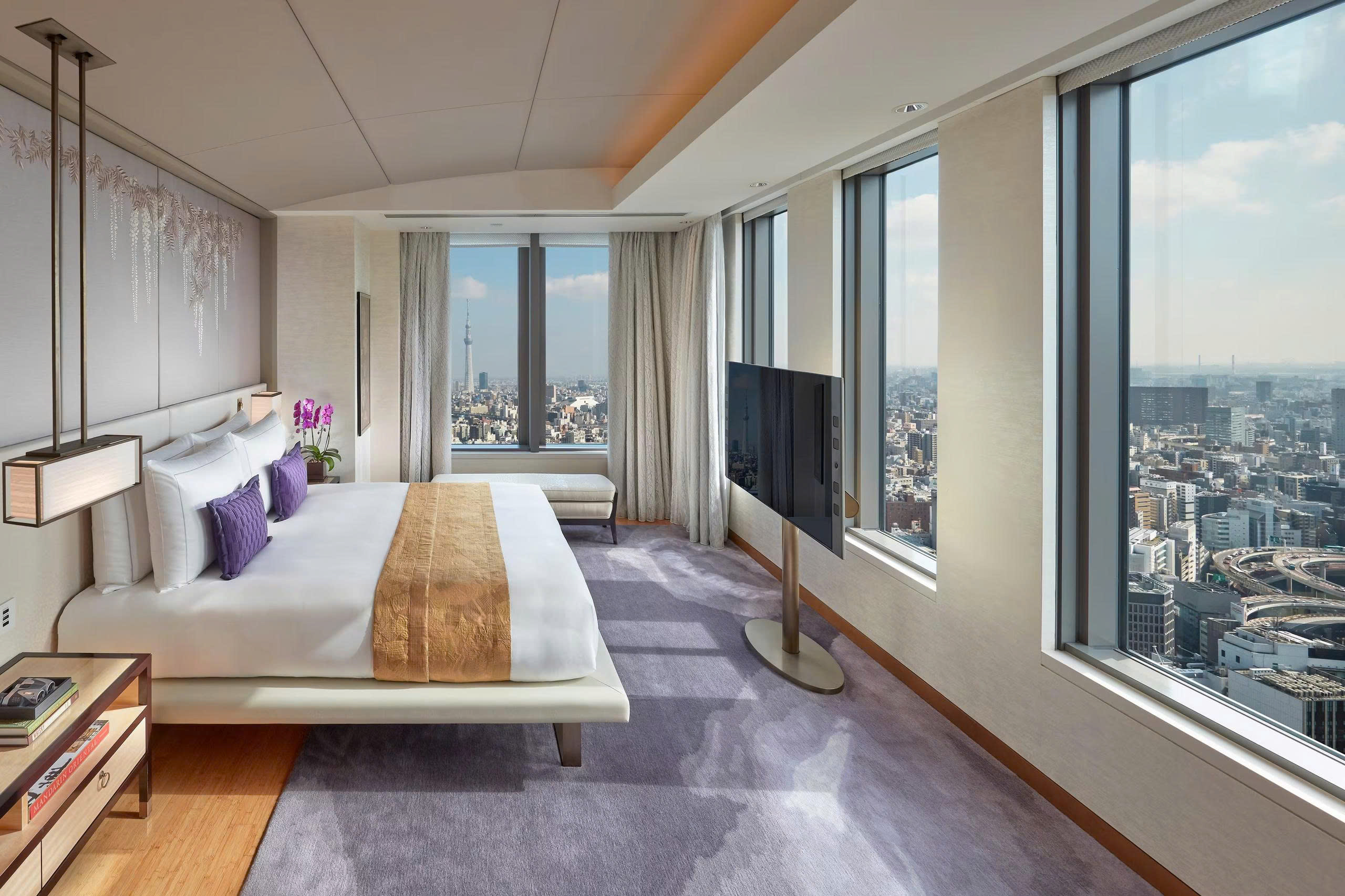
MANDARIN ORIENTAL


 +84 24 3747 2597
 Contact us