Travel Information to Vietnam | Visa to Vietnam - Best travel time - Vietnam tour packages
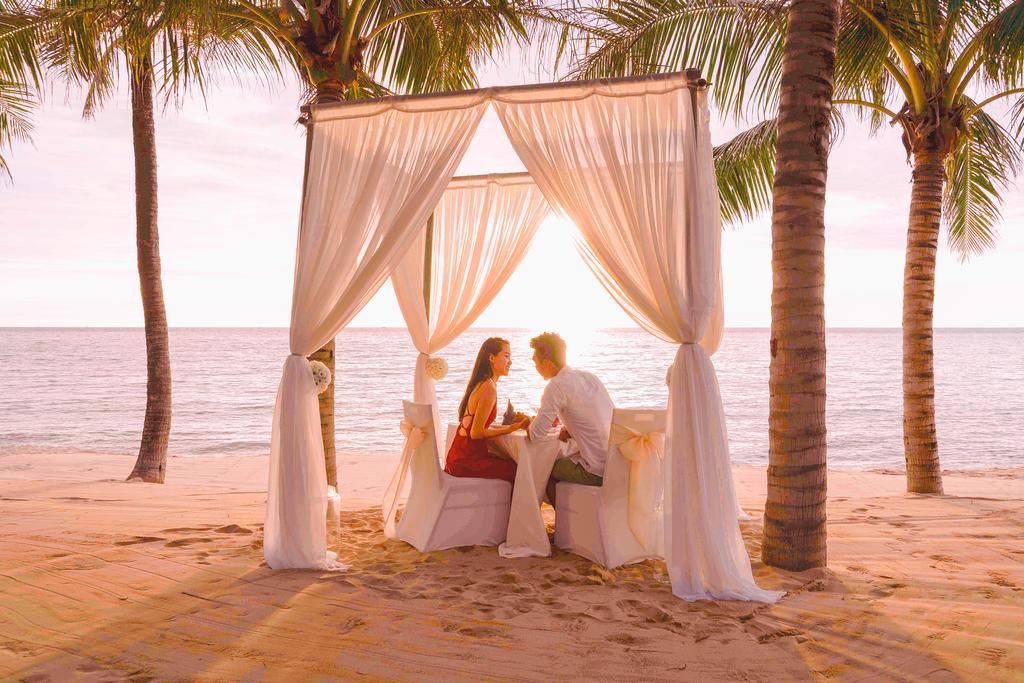
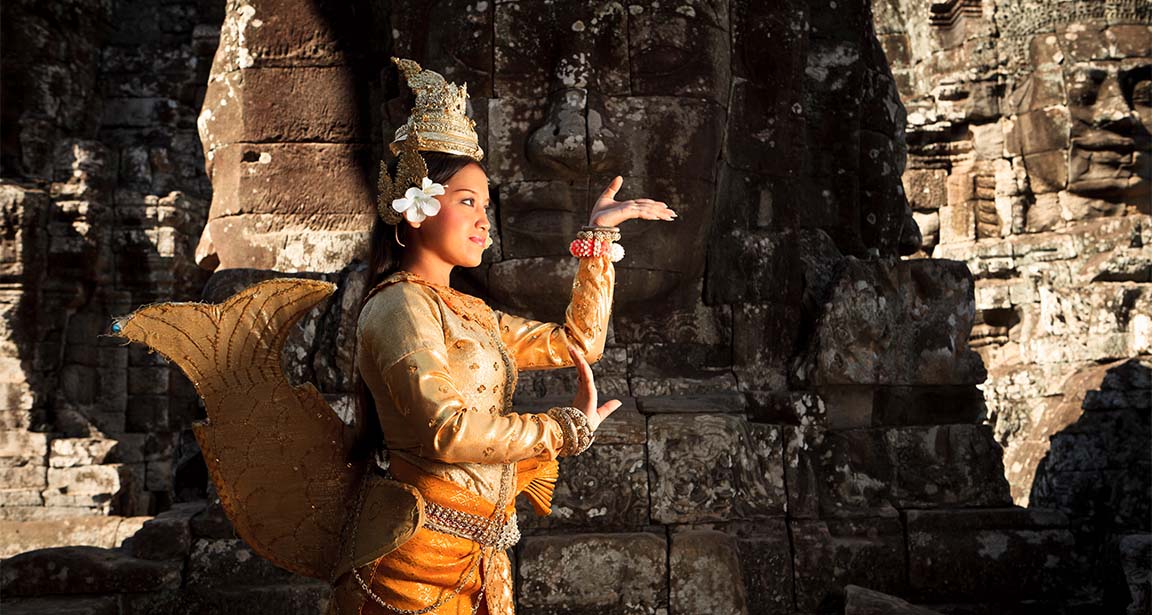
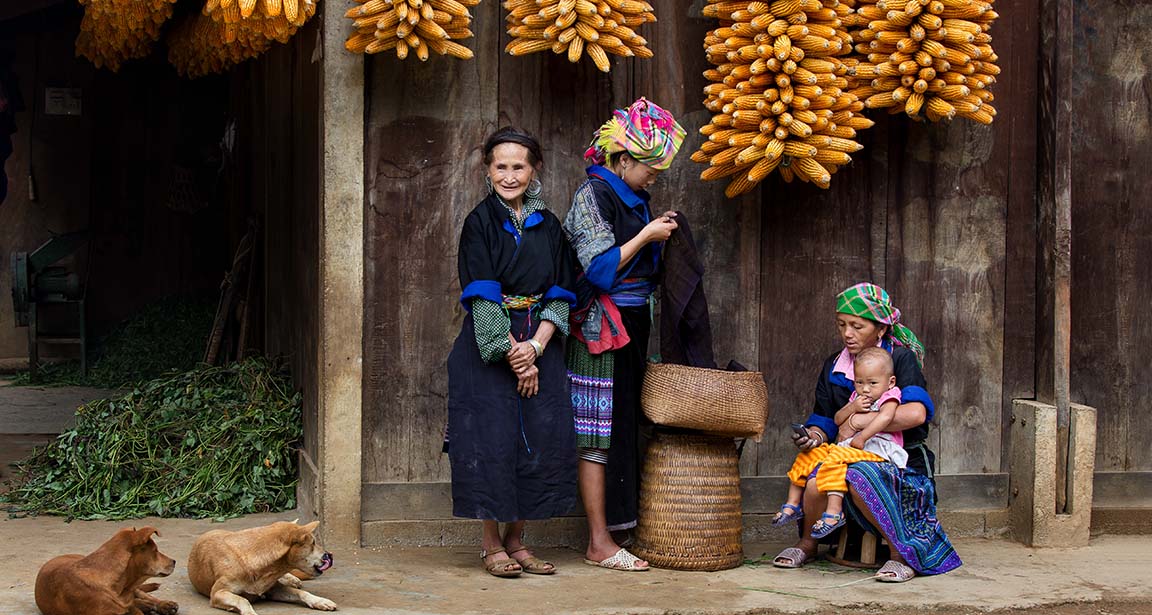
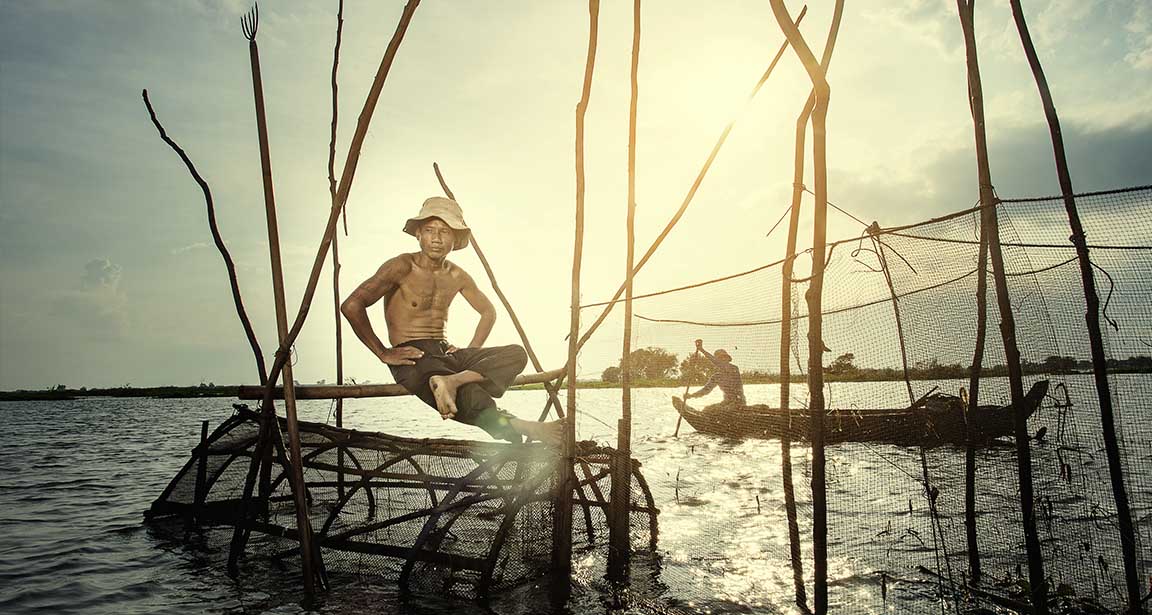
The shape of Vietnam is like a bamboo pole with two baskets of rice perfectly balanced at either end. Coastal Vietnam is famed for its beautiful beaches, breathtaking bays and sun-kissed islands. Inland Vietnam boasts rugged mountain ranges and misty tropical forests where wild secrets and traditions of this historical land lay undiscovered. First and foremost, however, historically rich Vietnam is identified by a myriad of rich traditions and cultures of the 54 different ethnic peoples that call Vietnam their home. A combination of all these elements makes for a truly unforgettable holiday.
Vietnam TOURS
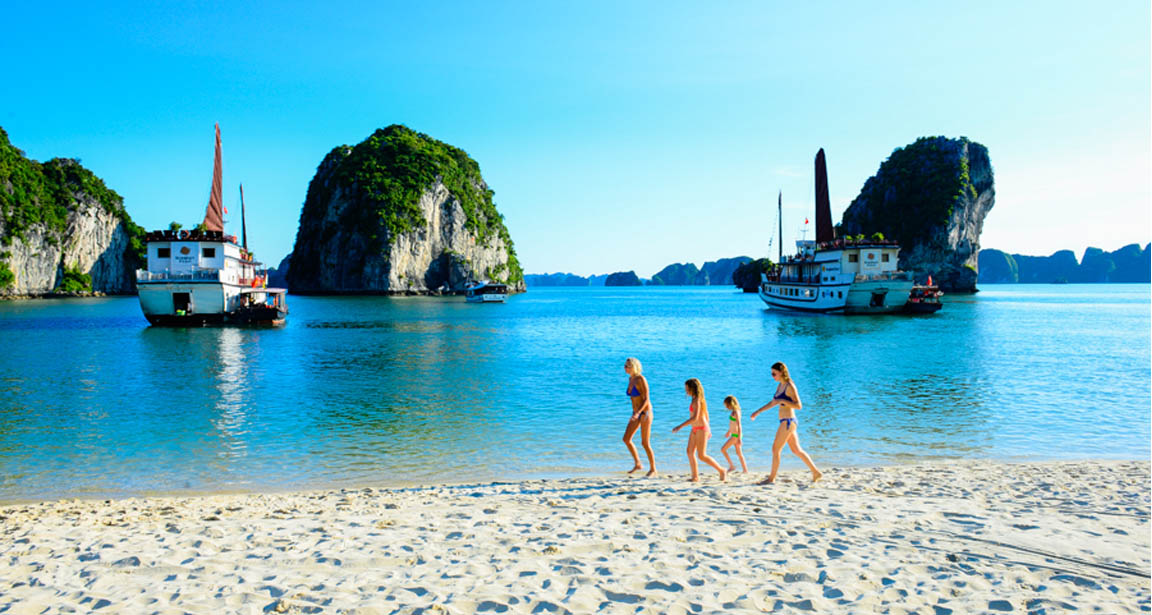
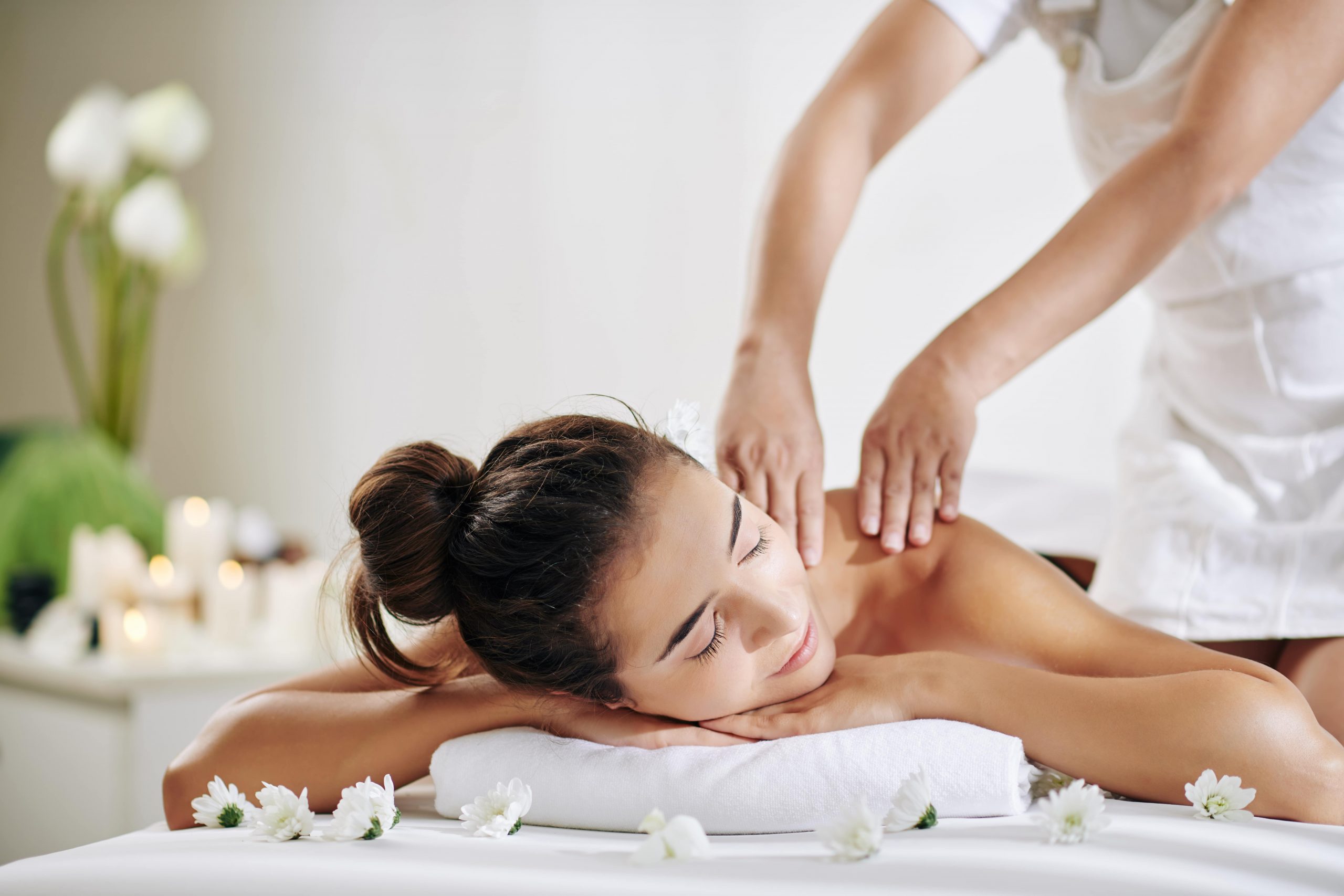
Vietnam is the ideal multi-activity destination for your vacations. Whether you are looking for a cultural holiday, luxury vacation, beach break, trekking and adventure tour, family trip or a combination of all those elements, Vietnam has it all!
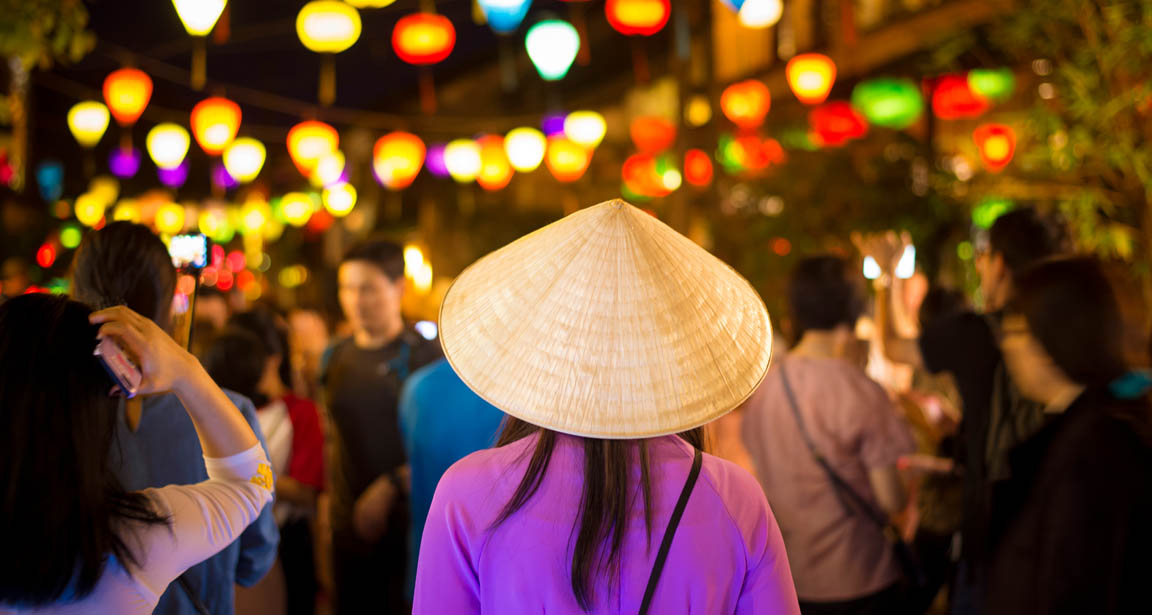
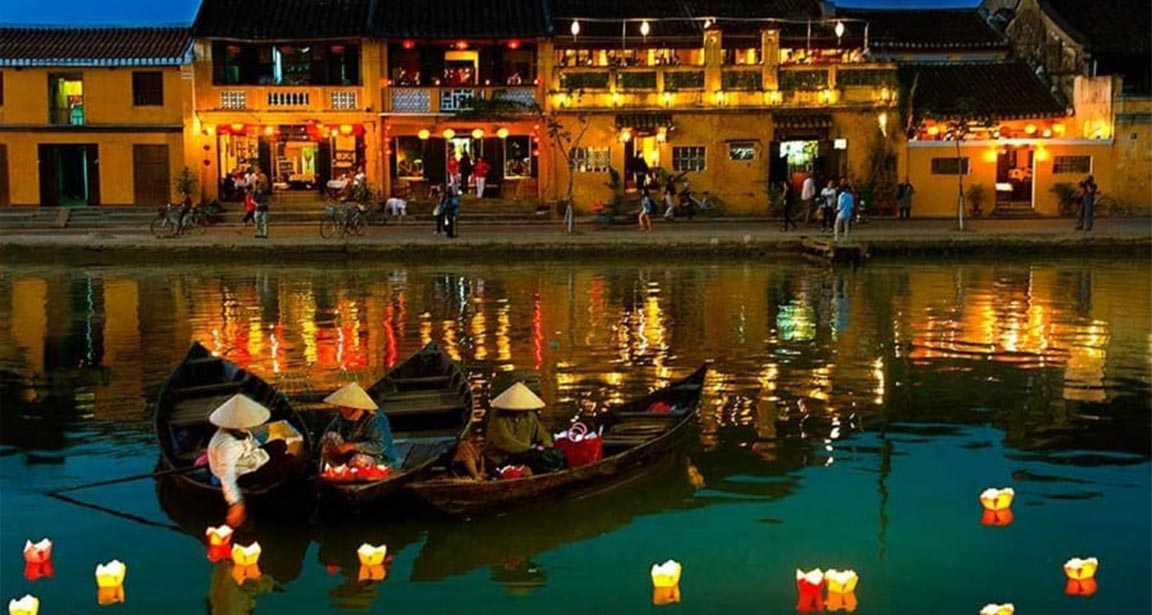
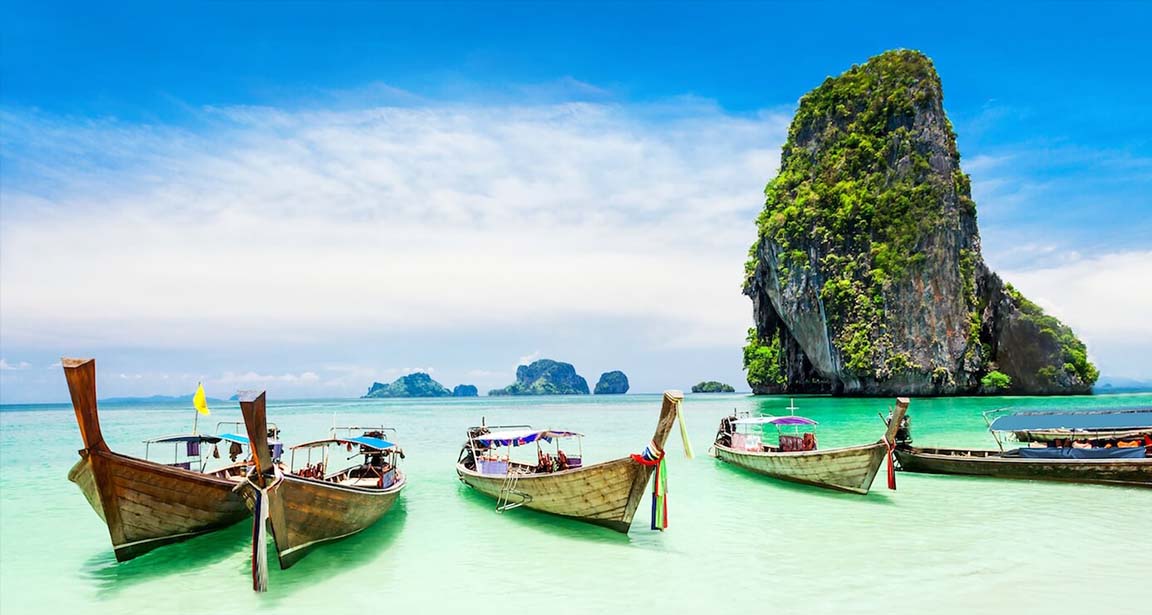
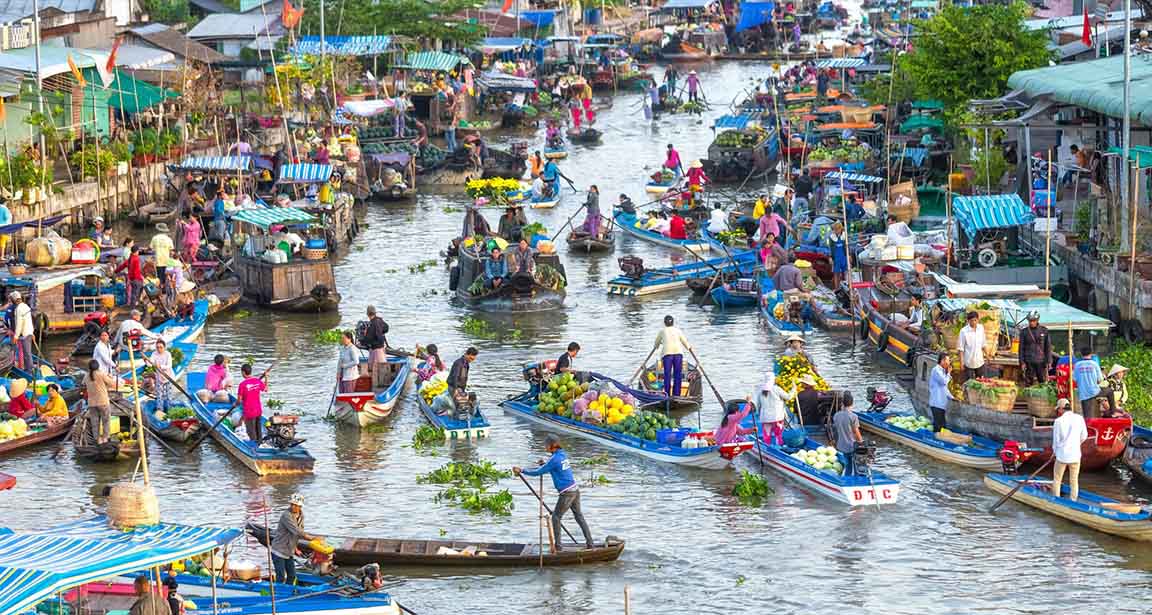
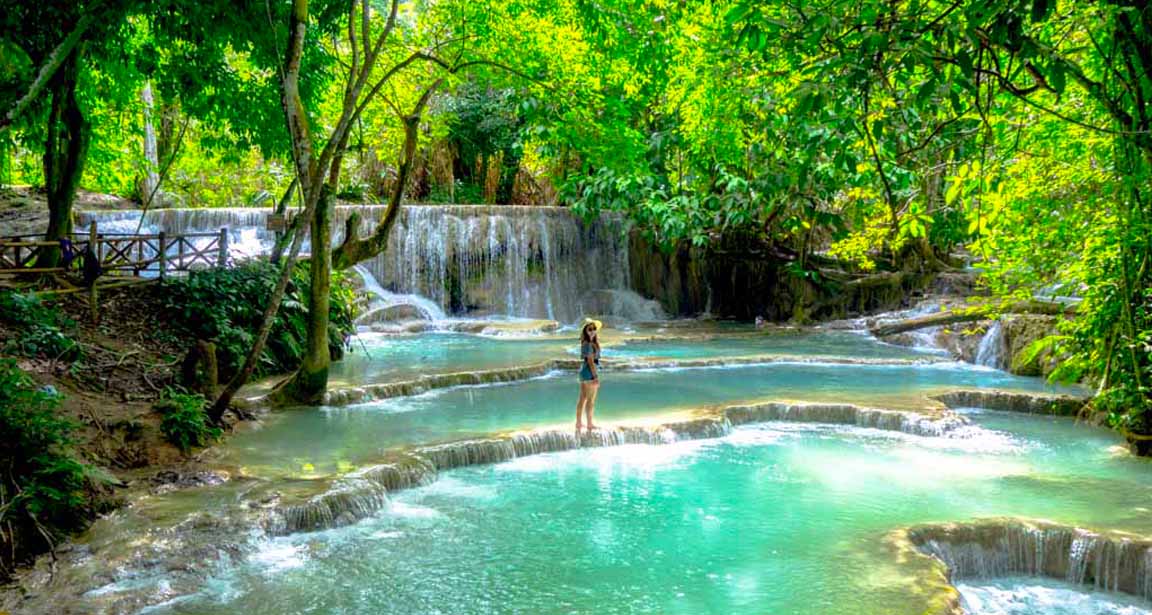
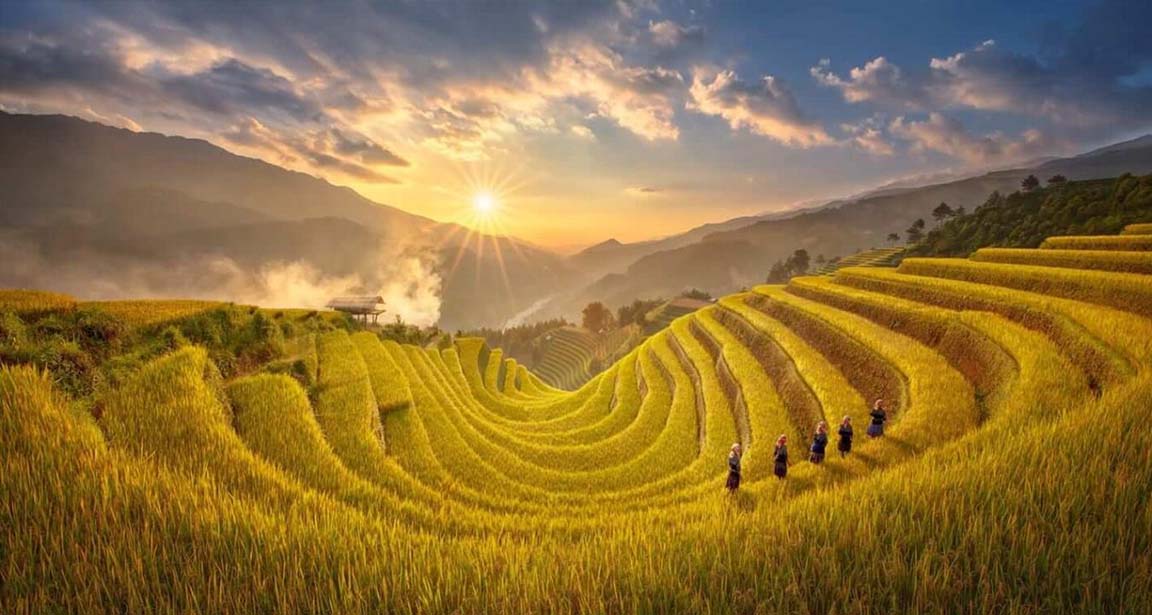
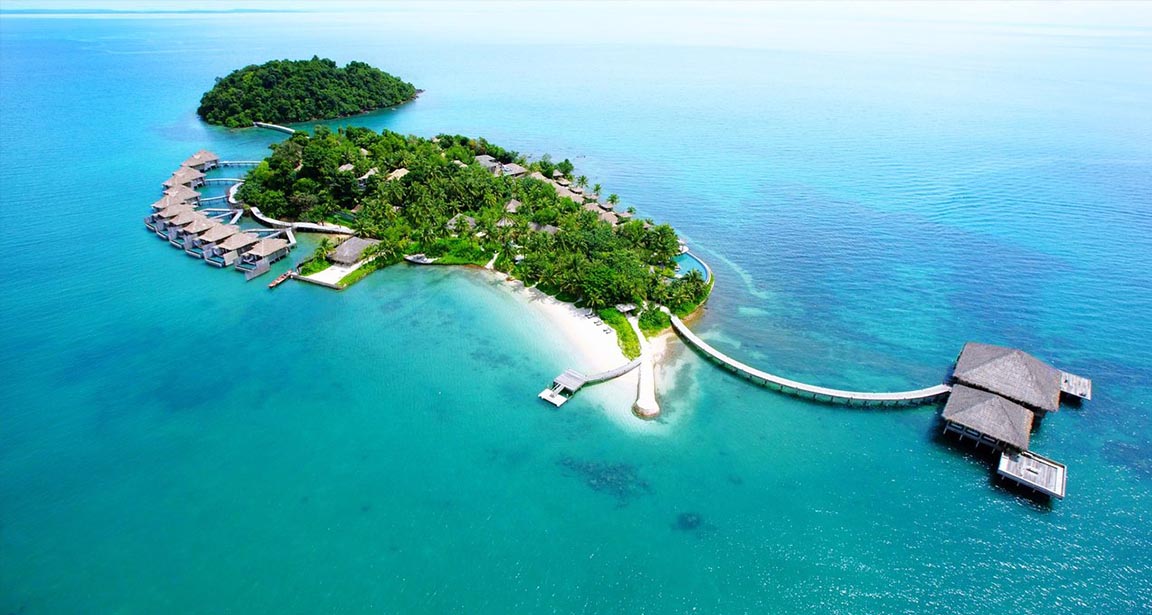
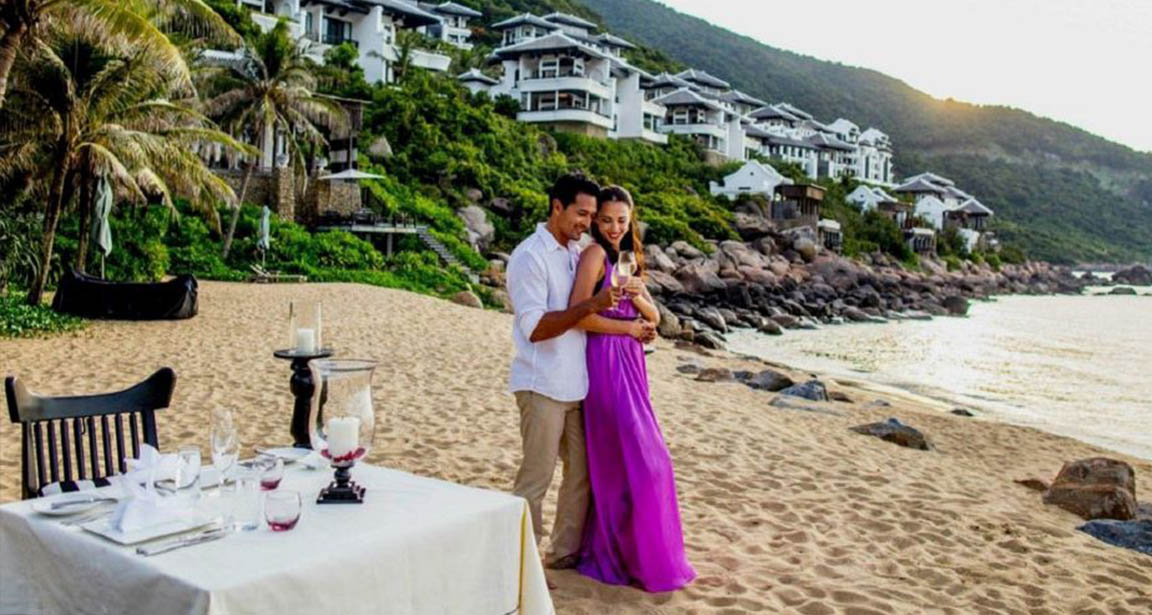
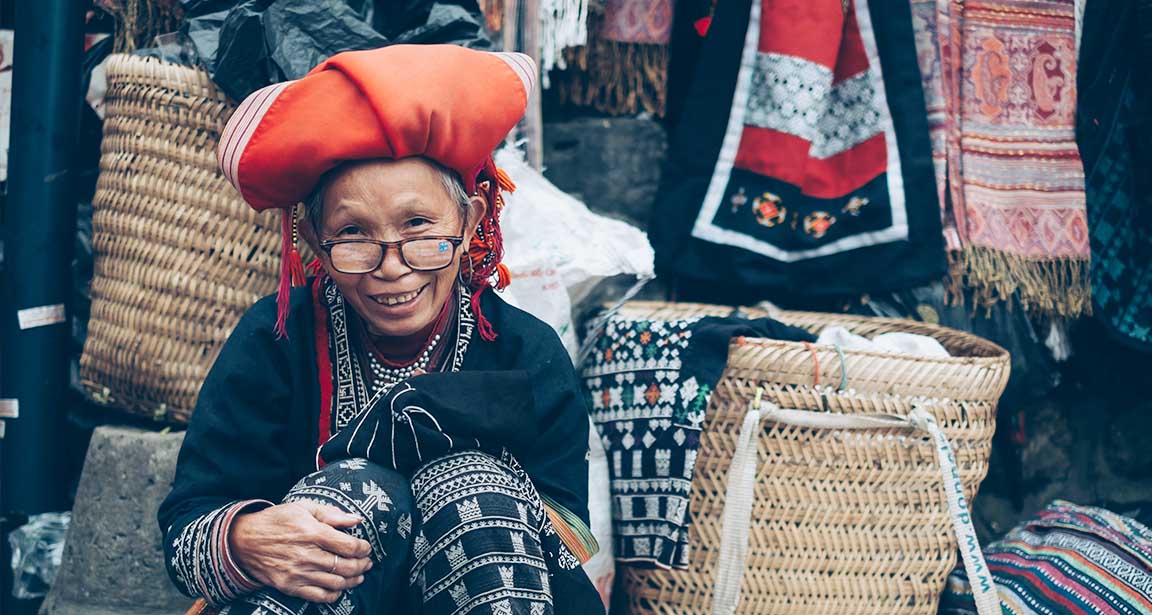
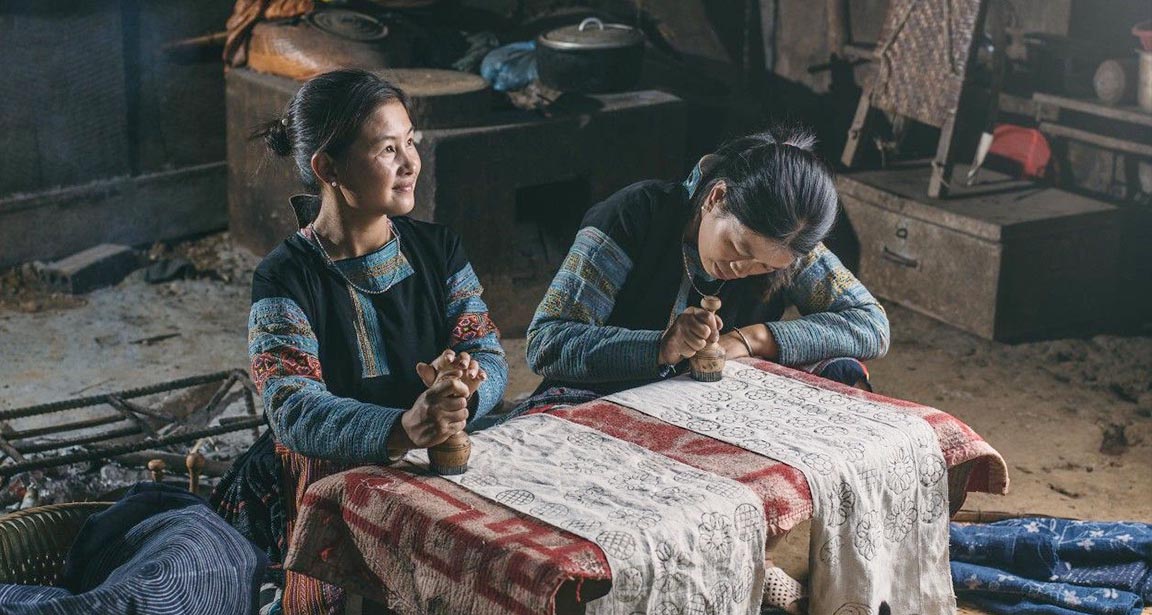
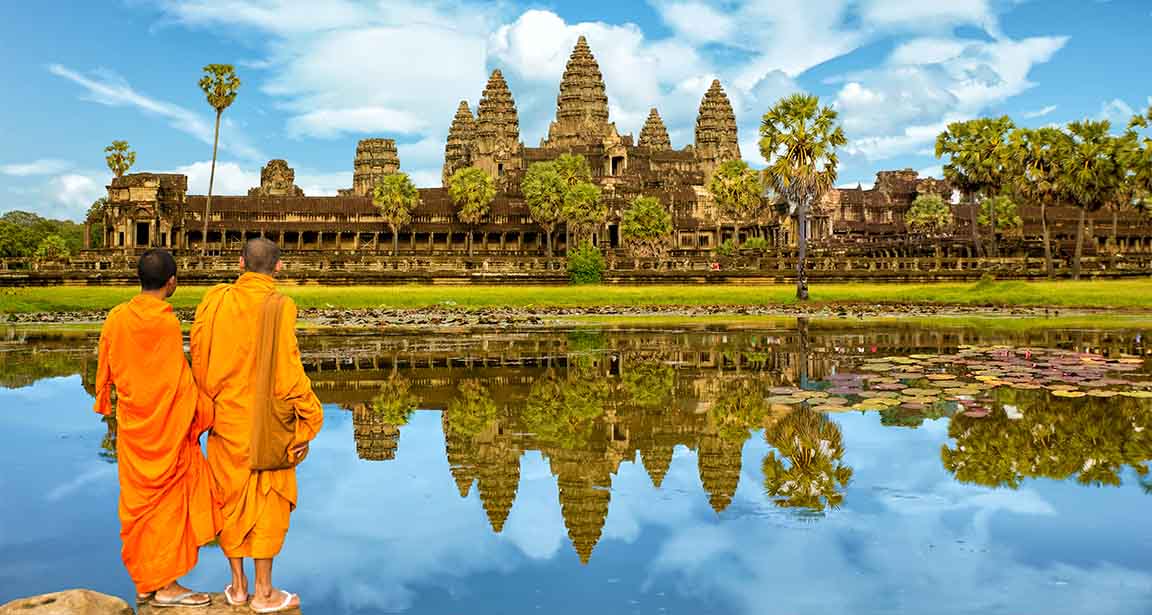
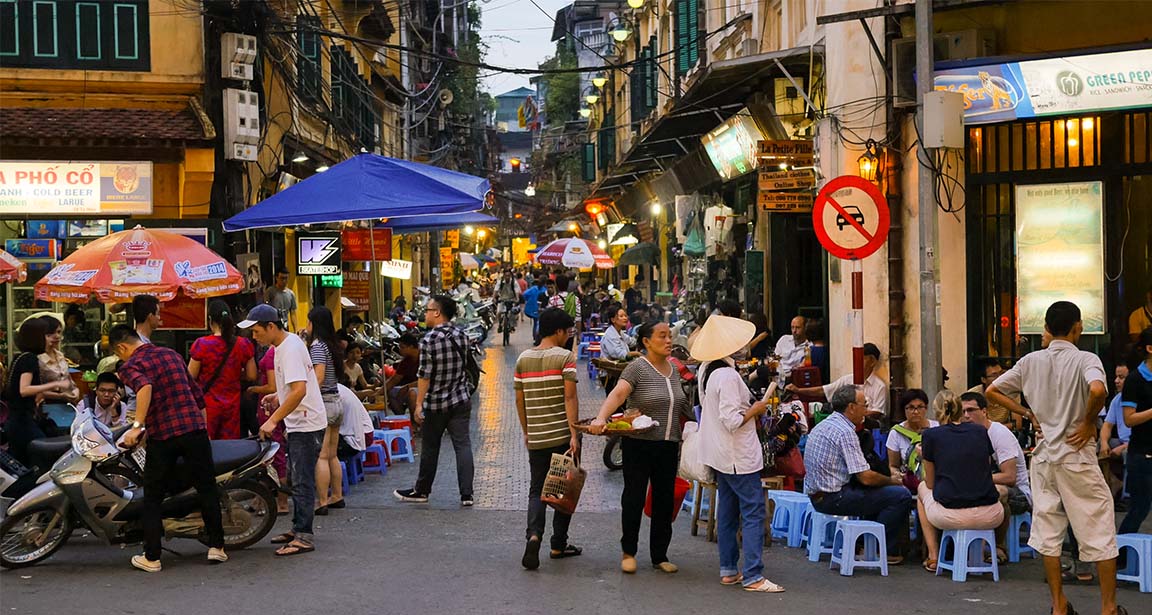
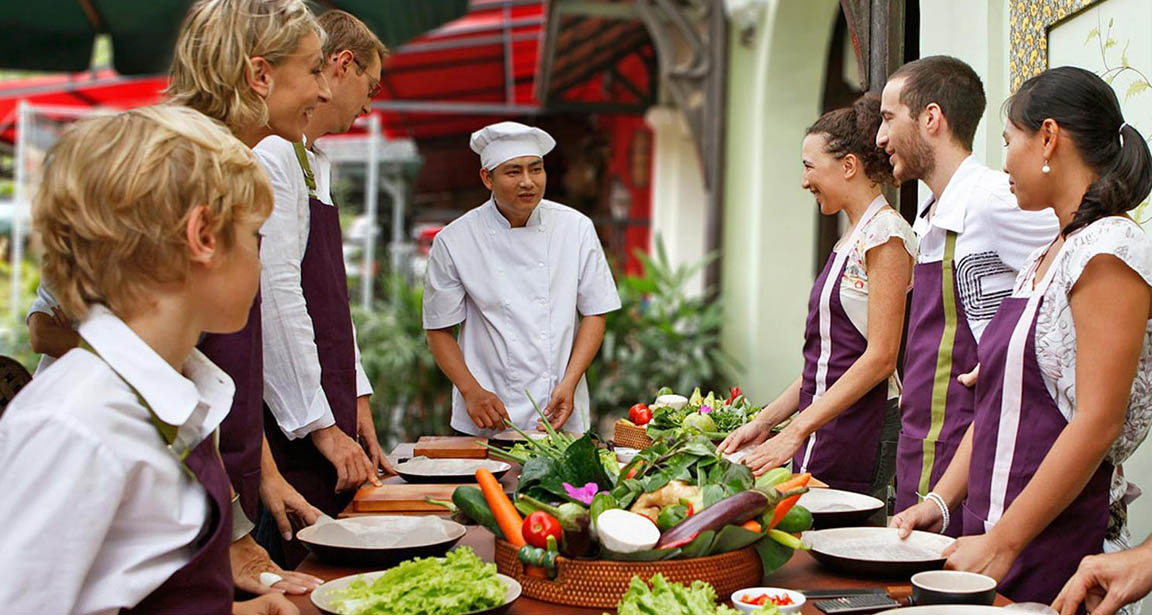

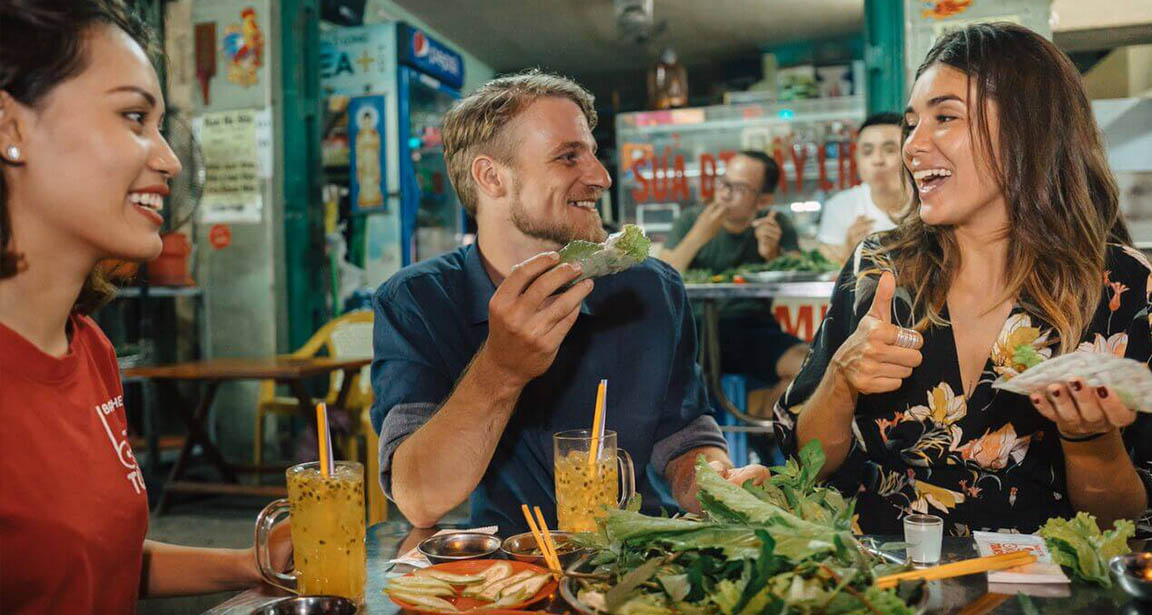
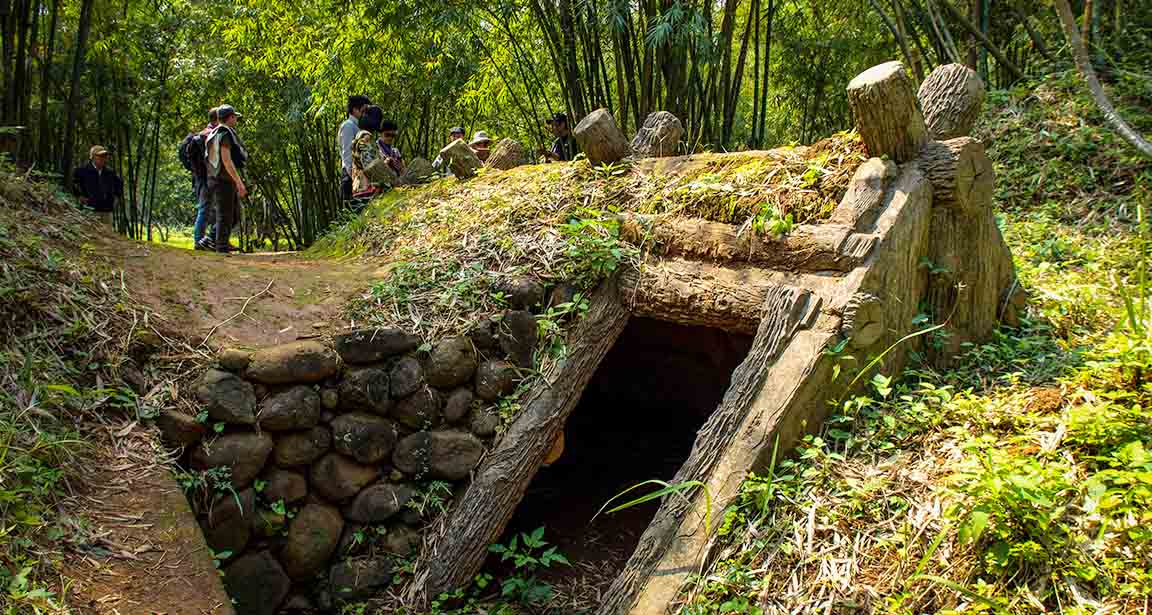
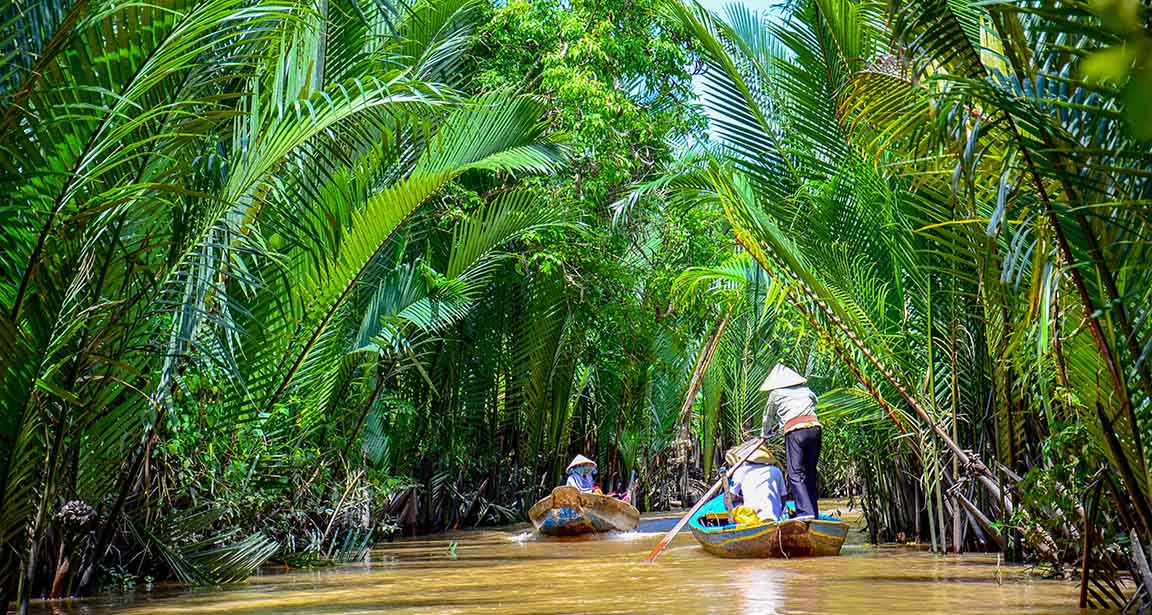
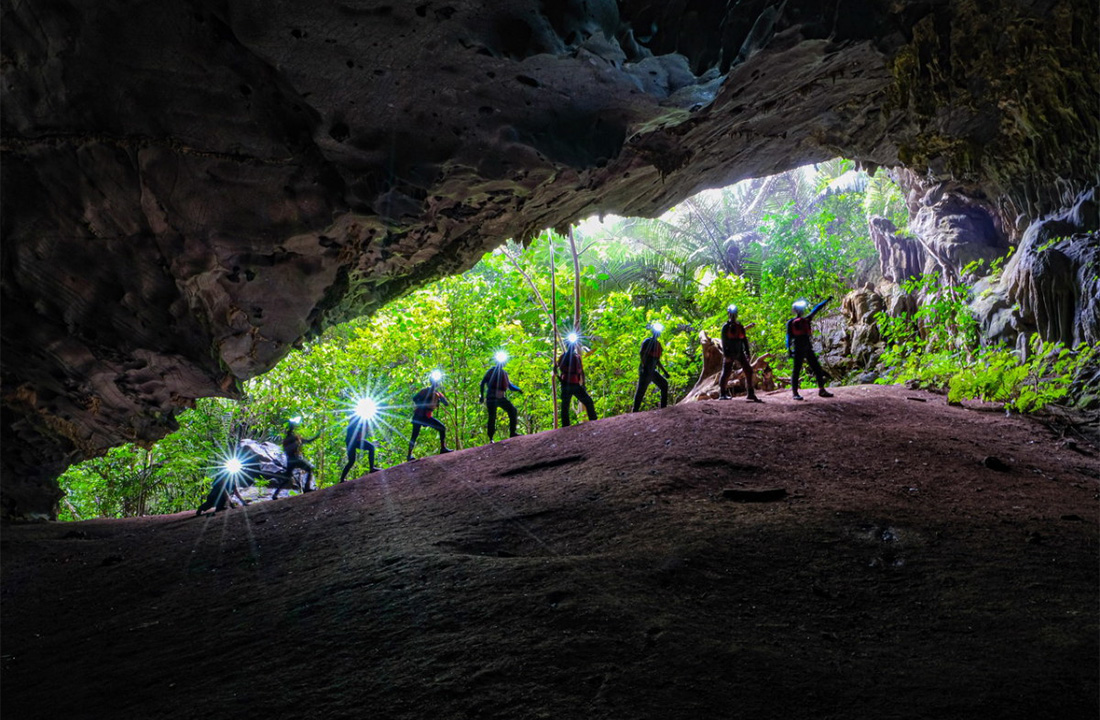
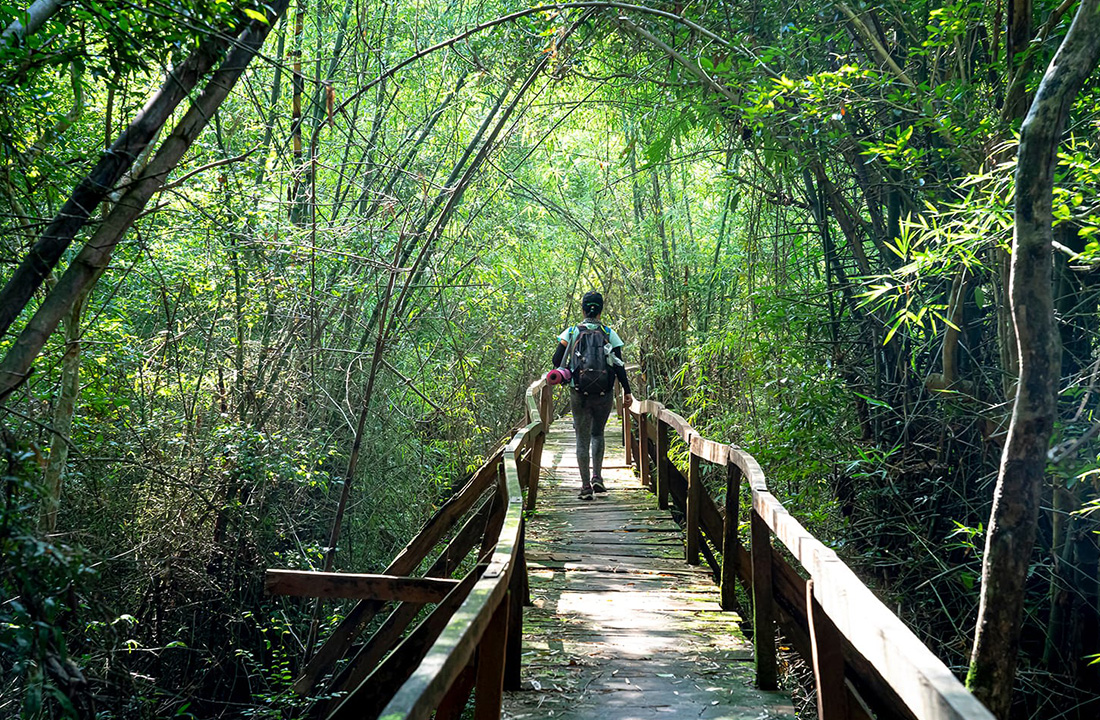
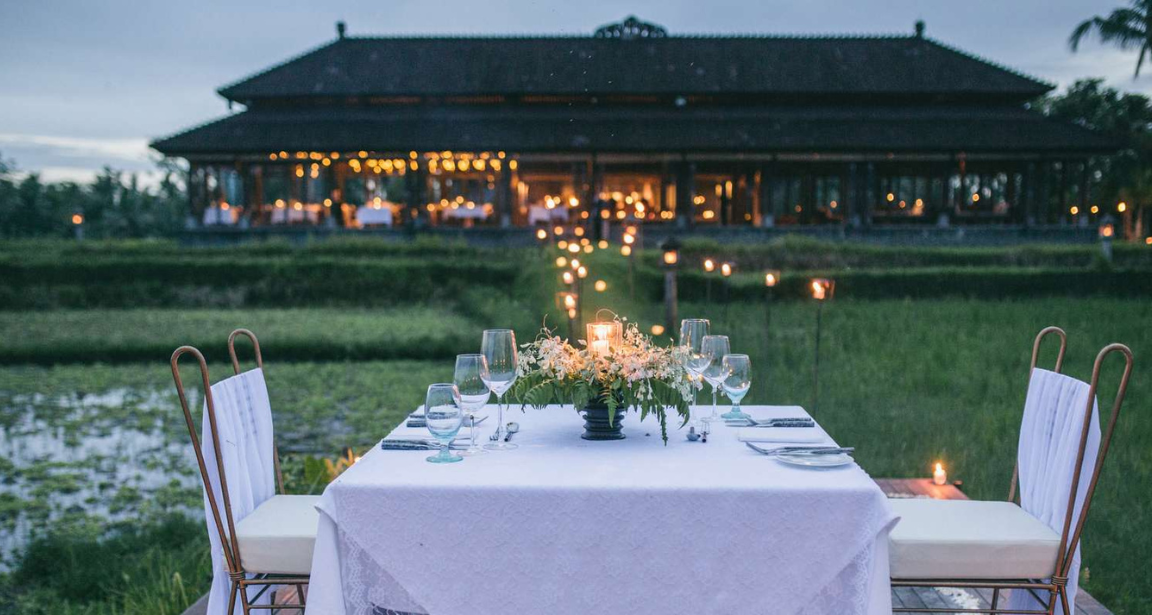
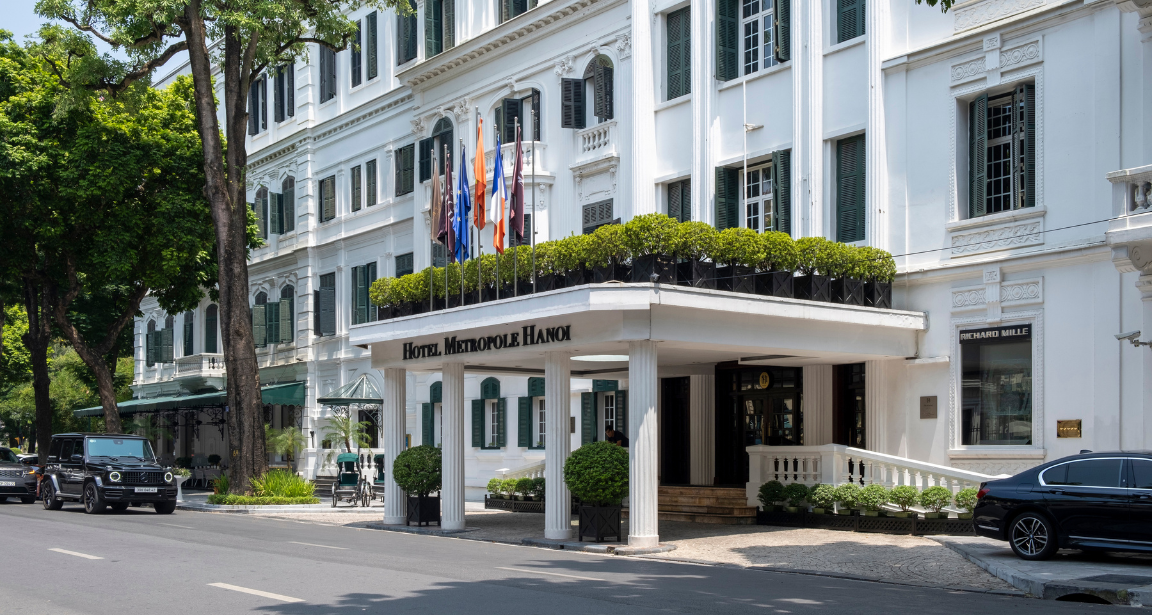
discover Vietnam
Vietnam, with a coastline of 3,260km, is located on the eastern margin of the Indochinese peninsula. It has been seen massive and rapid developments in Vietnam in the last 20 years. However, the country still keeps within its unique, charming traditions and culture which make it such an appealing travel destination. History has left its mark on Vietnam by way of Chinese, French and American influence.
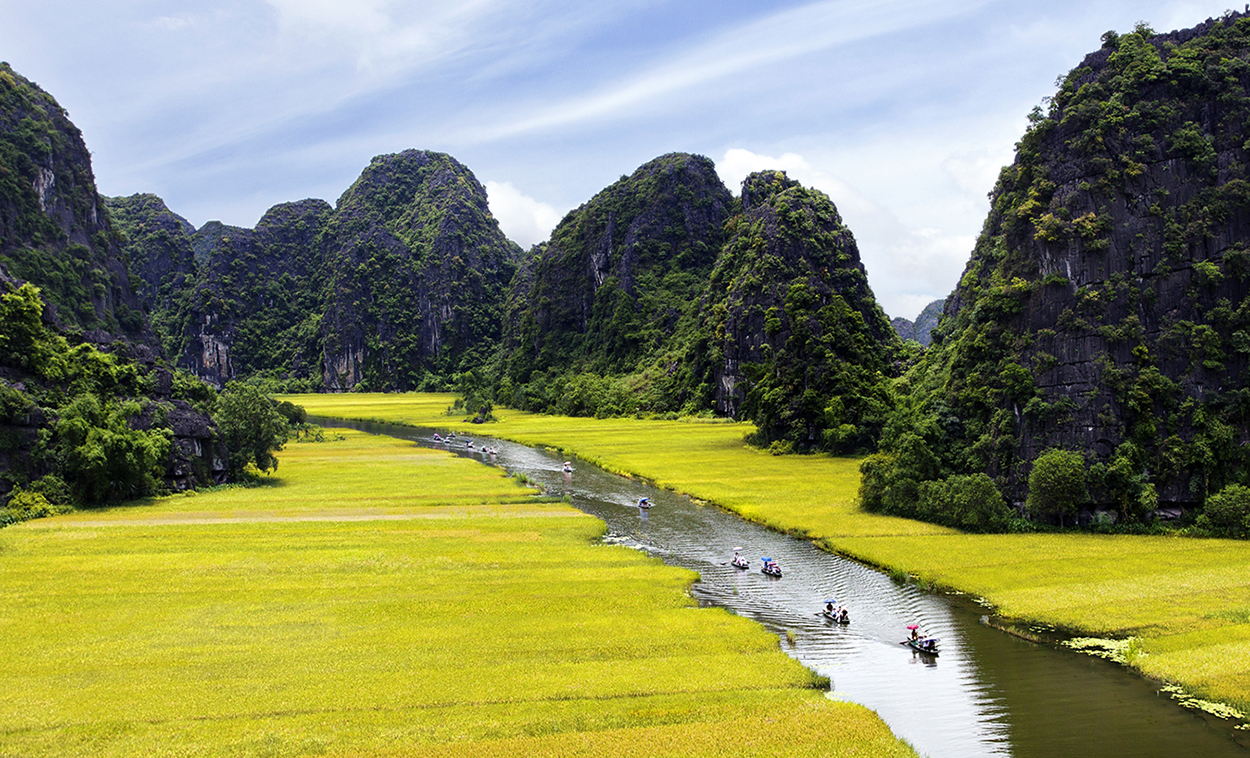
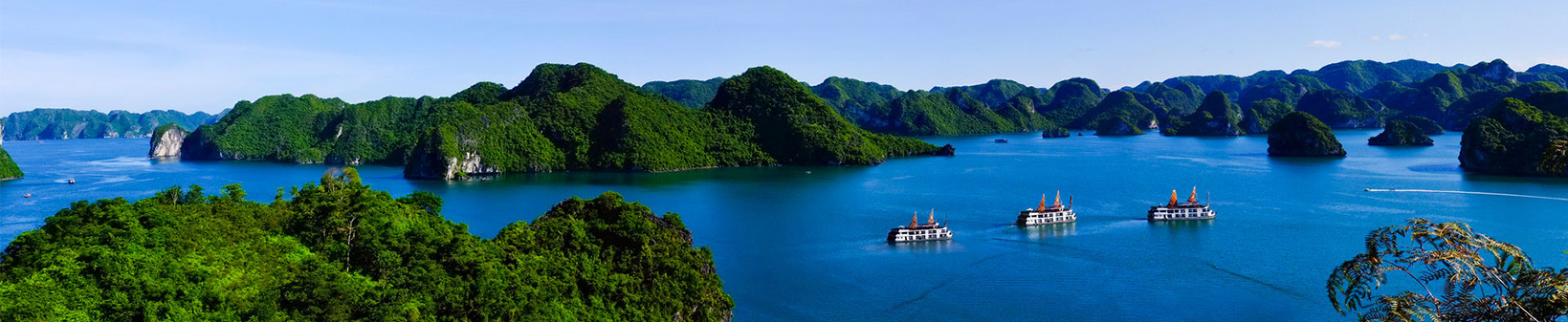
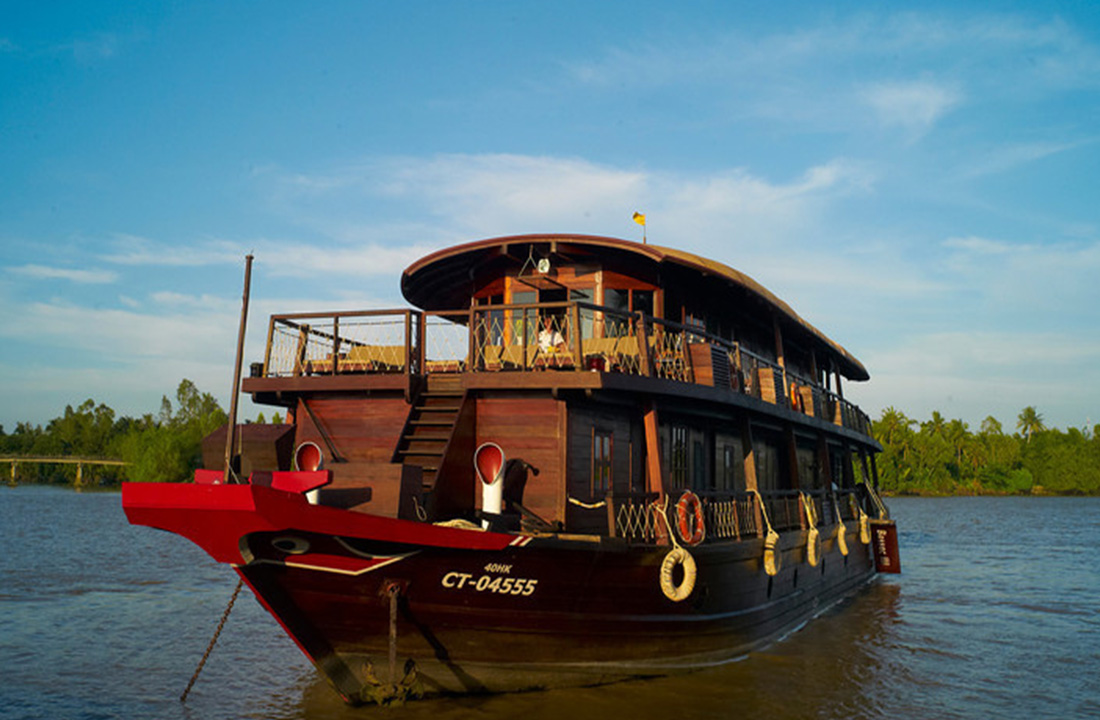
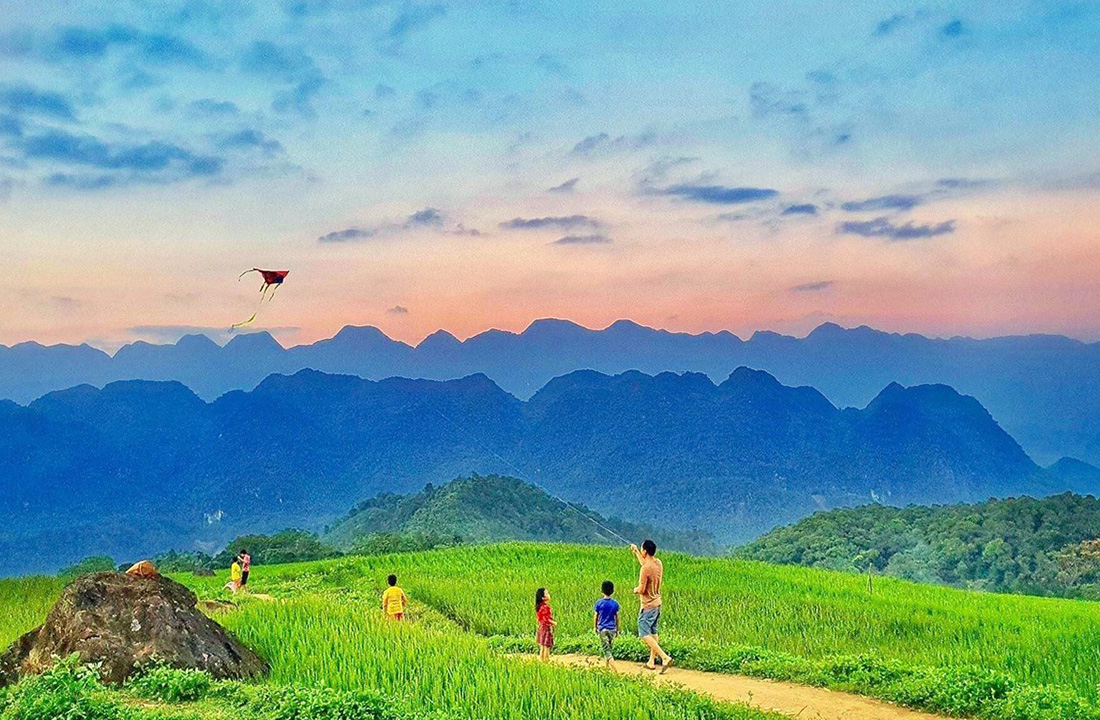
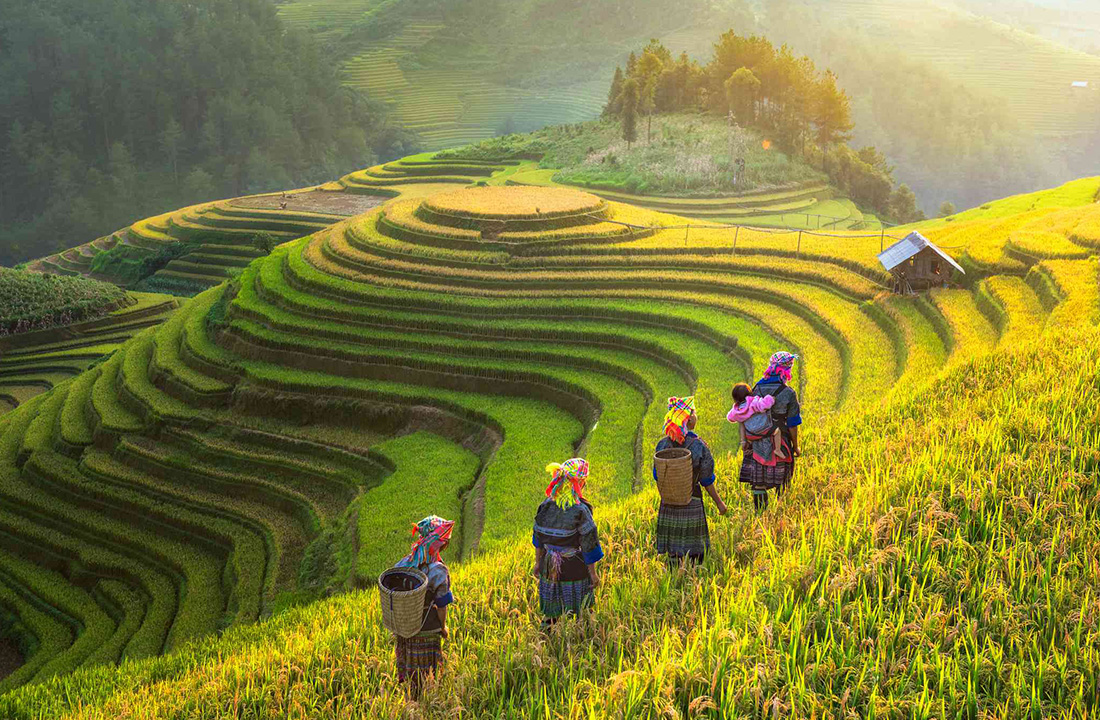
Northern Vietnam is famous for its overwhelming landscapes with soaring mountains, forested limestone karsts and ladder rice terraces. Hanoi, Halong Bay, Sapa are must-to-visit cities.Historical sights, beautiful long white sandy beaches, and luxurious resorts are what the Central Vietnam offers. Highlighted destinations in the Centre are Hue, Hoi An ancient town, and Danang. The Mekong Delta boasts the lush gardens and sweeping rice fields. To delve into the local life, you just wear a traditional conical hat and rowing the bamboo boat along small, green canals to visit local garden houses. Ho Chi Minh City’s wartime past is displayed at the Cu Chi Tunnels and War Remnants Museum but this vast metropolis is also full of modern bars, shops and restaurants.
-
VIETNAM VISA EXEMPTION
As of August 2025, regular passport holders from the countries below do not need a tourist visa for the Vietnam Exemption list:
90 days visa exemption: Chile, Panama
45 days visa exemption: Belgium, Bulgaria, Croatia, Czech Republic, Hungary, Luxembourg, Netherlands, Poland, Romania, Slovakia, Slovenia, Switzerland, Germany, France, Italy, Spain, UK, Russia, Japan, S. Korea, Denmark, Sweden, Norway, Finland.
30 days visa exemption: Cambodia, Indonesia, Laos, Malaysia, Singapore, Thailand, Kazakhstan, Kyrgyzstan, Mongolia, Belarus.
21 days visa exemption: Philippines
14 days visa exemption: Brunei, Myanmar
VIETNAM E-VISA
Vietnam E visa can be granted to ALL the countries in the world starting from the 15th of August 2023.
Vietnam e-visa requirement:
- Passport with no less than six months validity and at least 2 blank passport pages.
- One recent color passport-size photo in digital format with a white background portrait without glasses.
- E-visa fee of USD 25$ for a single entry and USD 50$ for multiple entry (non-refundable).Processing time:
- It normally takes 03 working days to receive the e-visa letter; however, the processing time may be affected by a large number of applicants or public holidays. As such, you should consider applying in advance.Note:
- Vietnam e-visa is valid for a maximum of 90 days depending on the request
- Vietnamese e-visa application or after your visa is issued. In case you change your port of entry, a new visa should be applied
- No group application is accepted. Each application is for 1 applicant only
- Vietnam e-visa can be applied at: https://evisa.xuatnhapcanh.gov.vn/web/guest/khai-thi-thuc-dien-tu/cap-thi-thuc-dien-tu
VIETNAM VISA ON ARRIVALThe visa on arrival (VOA) is only available for certain nationalities, and it may be subject to change. It is always a good idea to check with the Vietnam embassy or consulate in your country before traveling to Vietnam to confirm the latest visa requirements.
Please follow the below steps:
Step 1: Send us the passport information of travelers (fill data in an Excel file or by email or passport copy)
Step 2: Aurora will submit the visa application to the Vietnamese Immigration Department Step 3: Once approved, we will send you the Visa On Arrival Approval Letter
Step 4: Before the flight, travelers need to print the Visa On Arrival Approval Letter and bring it with them, so that they can abroad to fly to Vietnam. Upon arrival at the Airport in Vietnam, present the Approval Letter, Passport, Photos, and Application Form, and pay the fee to get your visa done at the Visa On Arrival counter.
Important note:
- Make sure that the passport has at least 6 months of validity from the entry date ahead You must indicate your arrival date. If you are not sure what date - you will fly to Vietnam, you can give us your proposed date of arrival. You can come to Vietnam some days later than the approved date, but not earlier.
- You need to prepare some cash (US dollars) for the stamping fee since no credit cards are accepted.
- Once processed, Visa service cannot be canceled, so we require you to make full payment in advance and non-refundable.
VIETNAM PRE ARRIVAL DECLARATION
Airport: Tan Son Nhat International Airport (Ho Chi Minh City) & Noi Bai International Airport (Hanoi)
- Mandatory: for eligible passengers starting 15 April 2026
- Who must complete: All visitor to Vietnam
- Website to apply: https://prearrival.immigration.gov.vn/
- When to complete: Recommended 3 days before departure
- Process: Fill in personal information online -> then, you will receive a QR code
- Save or screenshot your QR code before travelling and present the QR code at the immigration counter
Recommendation: Fill the forms in advance to ensure a smooth immigration process. -
BEST TIME TO TRAVEL
The Social Republic of Vietnam comprises of three different areas. Then, the best time to visit Vietnam somehow will depend on the areas you like to go.The North, from Chinese border to the city of Hue, includes the capital of Hanoi, the mountainous area by the Chinese border and the famous city of Sapa, as well as Halong Bay on the eastern coast. The center, stretching from Hue to the city of Nha Trang comprises the imperial, cultural city of Hue, and the beach cities of Danang and Hoian. The South counts numerous beach cities such as Nha Trang, Phan Thiet, Mui Ne, but also the islands of Phu Quoc and Con Dao, as well as the mangroves of Mekong Delta and the busy city of Saigon (Ho Chi Minh City).
Those three areas have very distinctive climates and while sometimes the weather can be freezing in the mountainous areas near the Chinese border, the beaches of Phu Quoc, in the South can be very sunny.
BEST TIME TO GET A VIETNAM BEACH HOLIDAY
Hence, if you come to Vietnam for a beach holiday, anytime of the year is absolutely fine. Indeed, we can divide the beach areas of Vietnam into four areas. The Center, and the cities of Hue, Danang and Hoian (those two last cities being on the coast) is sunny from March to June, and the month of July and August are usually warmer and more humid as well. The area further South to those cities and the beach cities of Nha Trang and the less frequented Quy Nhon have a perfect weather for a tan from January to September, with a higher humidity rate from may to September. Further South, the coastline with the cities of Phan Thiet and Mui Ne, Vung tau and Ho Tram, know a pleasant weather, perfect for a beach vacation in Vietnam from November to April. Finally, the two most beautiful islands of Vietnam, Con Dao and Phu Quoc, have a very specific climate, and most probably the most beautiful coastline scenery in the area, and the weather is perfect from November to April.
2 SEASONS OF TRAVELING TO VIETNAM
• In general, the best time to visit Vietnam is from October to April and is the high-season in Vietnam. The reason why the months of October, November, December, January, February, March and April are the best months to visit Vietnam is because those months correspond to the dry season in South Vietnam and the end of the wet and extremely warm summer of North Vietnam. This period is then considered the best time to travel to Vietnam because travelers have high chances of crossing the whole country and have a nice weather everywhere.
• The “low season”, also called the “green season” is now becoming more and more popular for tourism to Vietnam since the prices to visit the country are generally lower than during the high season, the touristic attractions are less crowded and as the country is divided into three regions with distinctive climates, if you choose the right destination at the right time, you will definitely have a beautiful experience in Vietnam (please refer to the weather section of our website for more information on the weather).
THE BEST TIME TO VISIT OR THE BEST TRAVEL INTEREST & DESTINATION IN VIETNAM ?
But visiting Vietnam is not only about having a sunny weather and beach holidays. If you are interested in admiring the stunning green terrace rice fields in North Vietnam, the best time to visit the country is from June to September. Also, some major cultural events happen in Vietnam, such as the Tet or Lunar New Year, Vietnamese celebration of the new year in late January or February, depending on the year, or also the Festival of Hue, usually in April, hosting numerous art and traditional performances.
To conclude, there is no best time to visit Vietnam, but there is a best travel interest and destination to visit Vietnam for every month. -
HEALTH REQUIREMENTS
No actual vaccinations are officially required. Noted in our Vietnam travel tips, travelers are advised to check with their doctor or travel immunization clinic regarding the advisability of inoculation against typhoid, tetanus, hepatitis A & B and malaria. It is recommended that all travelers take out comprehensive Personal Travel Insurance to cover personal belongings, or in case of accident or illness, etc.
ELECTRICITY
The usual voltage is 220V, 50Hz. The two-pin (ungrounded) plug is more popular than the three-pin one. If you have any devices needing a special outlet, please bring its adapter kit. The best investment is a universal AC adapter, which enables you to plug it into any outlet without damaging your appliances.
CURRENCY, MONEY EXCHANGE & ATM
The local currency is the Dong (abbreviated "d" or VND). Money, particularly US dollars can be exchanged at banks, hotels, and authorized money exchangers. Most retailers do not accept checks. But Visa, Master & JCB cards are widely accepted. Some merchants also accept AMEX. A 3% bank charge on transactions (4% for AMEX) is pretty common, due to bank policies. ATMs are very popular in most tourist destinations.
PACKING LIST
Be a smart traveler. Before heading overseas, make a list of things to bring. You are recommended to “travel light” as much as possible. Please refer to the weather section of the website to identify what you should pack (sunblock, appropriate clothes, hat, mosquito repellant etc.)
SAFETY
Ostentatious displays of money, jewelry, luggage, and dress can encourage the wrong type of attention. When travelling, be aware of where your luggage is at all times- particularly your hand bag, camera, etc. Do not leave them unattended or hanging on the back of chairs in restaurants. Petty theft is also common on crowded trains, buses, and at supermarkets.
ETIQUETTE - one of the important part of Vietnam travel tips
• Vietnamese society is an interesting blend of modern and traditional. Rural areas are known to be more traditional than big cities, hence it is appropriate to dress modestly in rural areas as well as in temples, museums and historical heritage sites.
• It is worth noting that in Vietnam, pointing at something or somebody with your finger is considered impolite, as well as touching people, especially on the head
• Vietnamese society is very respectful of its elders and while nobody would say a thing in any circumstance, it is again appropriate to respect elderly people, help them cross the street and keep your voice low when talking to them.
• Ask to the person you want to take a picture of if it’s okay to do so.
TIME ZONE & WORKING HOUR
Local time is GMT + 7 hours. Most government offices are open from 8:00 / 8:30 a.m. to 4:30 / 5:00 p.m., Monday through Friday, but are closed from 11:30 a.m. to 1:30 p.m. for lunch. Banks are closed after 4:00 p.m. Some foreign companies or private enterprises are open Saturday mornings. Most shops and department stores are open every day until 8.00 or 9.00 p.m.
MUSEUMS OPENING TIME
The Ho Chi Minh Mausoleum is open every morning (except for Mondays & Fridays) and is closed in the afternoon and during the months of October and November for maintenance. Most museums and mausoleums are closed on Mondays except for the War Museum in Ho Chi Minh City (now called the Museum of Vietnamese Revolutionary History) and the Ho Chi Minh Trails Museum which is closed on Mondays and Fridays. The Fine Arts Museum is open to the public every day from 8:30 a.m. to 5:30 p.m.
LANGUAGE
Vietnamese is the official language of Vietnam. English is widely used in business. Other popular languages include French, German, Spanish, Italian, Chinese, Japanese, Thai and Russian.
INTERNET
You can access the internet at hotels, cyber cafés & Internet/Computer Service Centers. ADSL technology is widely used in major cities. Also, WIFI internet is available at some cyber cafés, restaurants, and most hotels in major tourist destinations.
Free WIFI is also available in some international airports.
POST SERVICES
A regular international postal service is available. Express Mail Service (EMS) is available to more than 50 countries worldwide with a delivery time of 2 to 10 days.
TELECOMMUNICATIONS
Vietnam has high international telephone charges. It is important to check the exact amount with the hotel before making a call, as hotel surcharges are often imposed. VOIP calls help reduce call charges. Pre-paid internet & mobile cards can be bought in the major cities so if your phone is unlocked, this solution is cheap (around USD5) and will allow you to call in case of emergency, call your driver, your hotel and even home if you need! Service providers for mobile phone networks are GSM of Vinaphone, Mobile Phone and Viettel, while CDMA are EVN Telecom and S-Phone, HT Mobile etc.
Also, buying a phone in Vietnam is really cheap and you can get a basic phone for USD15, with a prepaid card.
DOMESTIC FLIGHTS & AIRPORT TAXES
Flight times may vary from day to day. Schedules are subject to change without prior notice. You should allow an hour at the airport for the check-in process prior to your flight departure. Baggage allowance is 20kg per person in economy class. Hand luggage should not weigh more than 7kg. You are recommended to reconfirm your intention to travel at least 24 hours prior to departure from all your points on your itinerary, even if you have a confirmed reservation.
Airport departure tax for domestic and international flights is included in the airfare issued.
FOOD AND DRINKS - Vietnam travel tips
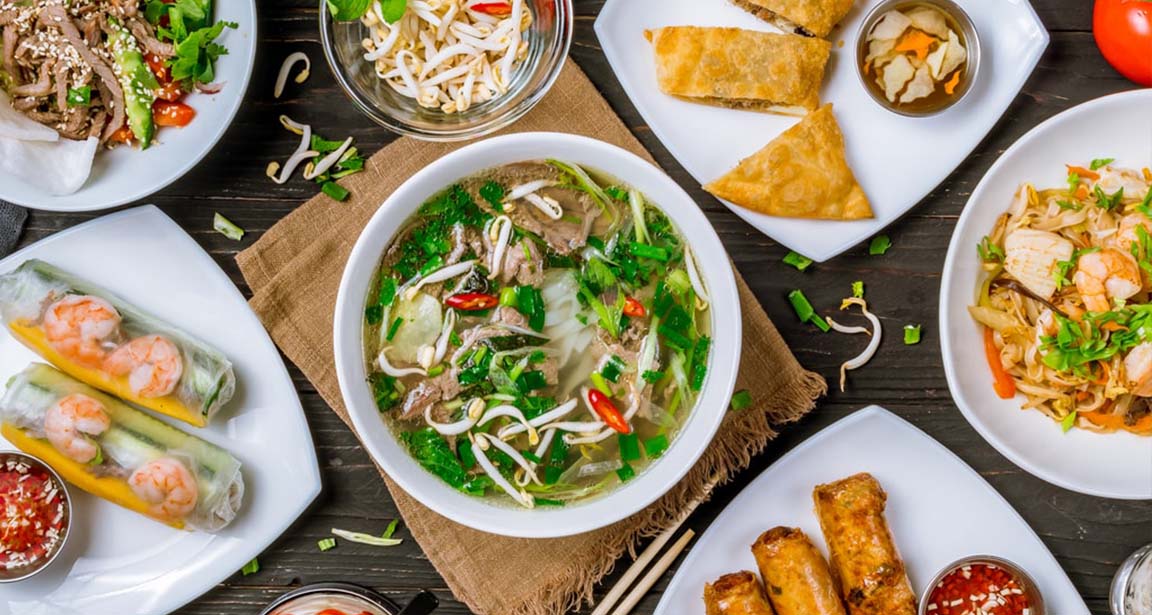
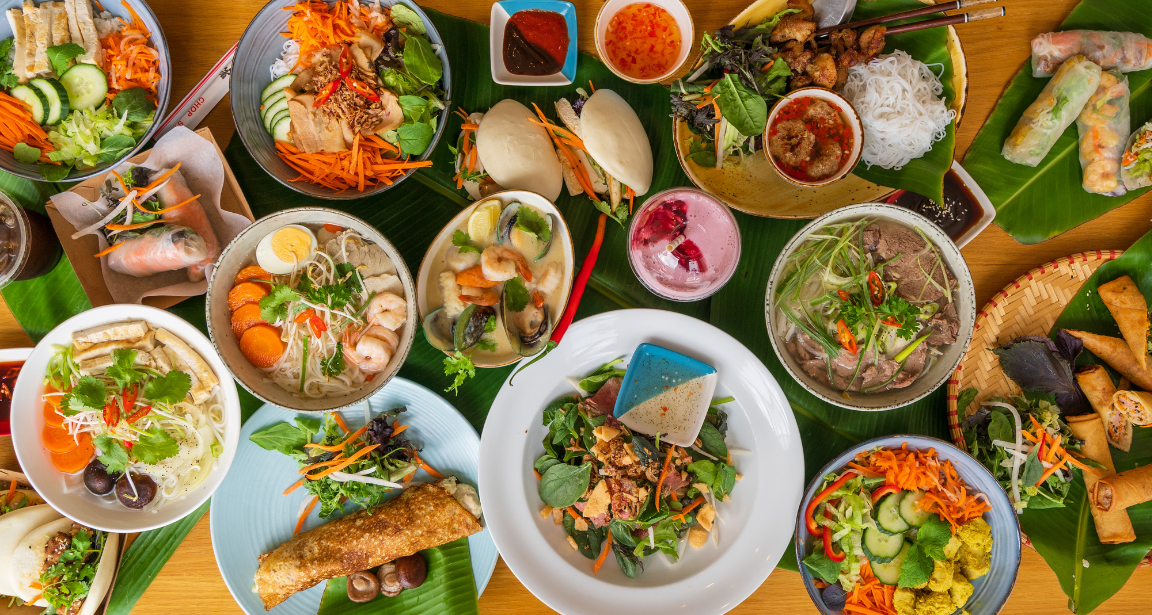
Foreign visitors consider Vietnamese food quite healthy. It is neither spicy nor oily. It has a very distinctive style, although it is also clearly influenced by Chinese and to a lesser extent, French cuisine. Vietnamese eat mainly rice and noodles. Bread is not a daily family food. Here are just a few examples of the fantastic dishes you can expect to find in Vietnam: Pho (noodle soup), cha cuon (spring rolls), goi cuon (fresh spring rolls), earthen pot-cooked rice and fish, etc.… Tropical fruit varieties are diverse and available all year round. Mangosteens, rambutans, or dragon fruit should not be missed.
Coffee and draft beers are good but often strong. Drinking tap water is not advisable. Bottled drinking water is widely available for a reasonable price. Hotels and restaurants will use hygienic ice. However, if eating at a market or on the street, it may be best to avoid ice.
SHOPPING & BARGAINING
Shopping in Vietnam is a fun and interesting experience, and guarantees good bargains to those who know what to look for. It is true to say that you can find nearly anything in Vietnam. Markets vary from high class shopping malls and supermarkets to bustling open markets, galleries, boutiques, and street stalls. Vietnam is most famous for its handicrafts, war souvenirs, art, antiques and gems. To make your trip even more enjoyable, you should know something about the art of bargaining in this country. People will probably overcharge you, but rather than becoming irritated, join the game and bargain with a smile! Before going to Vietnam you should do some research for a general idea about prices in Vietnam.
If you are being followed by street vendors and do not wish to make a purchase, often the best course of action is to say “no” politely and firmly and continue on your way. Do not hesitate or linger, as this will encourage the seller to try and engage you further
-
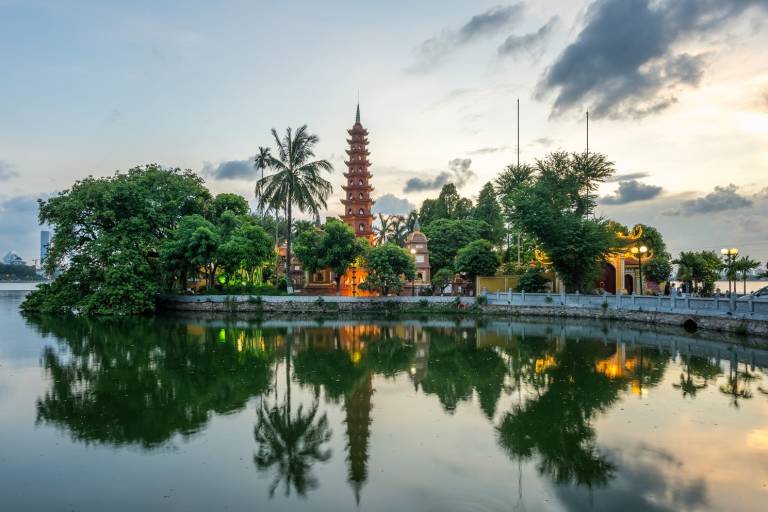 Worldwide famous as a city of lakes, shaded boulevards and verdant public parks, Hanoi, the capital city of Vietnam, is different things to different people. The city is a perfect blend of the exotic chic of old Asia and the dynamic face of new Asia, of Parisian grace and Asian pace. Hanoi is where imagination becomes reality.
Things to do in Hanoi:
• Take a walking tour through the historical streets of the bustling Old Quarter.
• Explore Hanoi’s intriguing museums, pagodas and the spectacular Temple of Literature
• Enjoy the performance of the city’s famed water puppets.
• See ‘Uncle Ho’ in the flesh at Ho Chi Minh Mausoleum
• Sample the flourishing culinary delights, cafes and nightlife of modern Hanoi
• Take a trip to the excellent Museum of Ethnology which is devoted to the culture of Vietnam’s Ethnic Minorities
Top places in Hanoi:
• Hoan Kiem Lake and Ngoc Son Temple are considered to be the soul of Hanoi and seem like a million miles away from the noise and rush. While the Lake is an enchanting body of water right in the heart of Hanoi, The temple is a shrine to General Tran Hung Dao who defeated the Mongols in the 13th century. This is definitely a welcome break for those who have just arrived in Hanoi.
• Temple of Literature was steeped in history. It was the first University to open in Vietnam in 1448 and was dominated by the Chinese who ruled the country for almost 1.000 years.
• Museum of Ethnology A visit to the Ethnology Museum will be the highlight. It’s a huge centre outlining the origins and lifestyles of all the major ethnic minorities dispersed through the country and their languages, clothing, artisan specialities, food, customs and entertainment specialities.
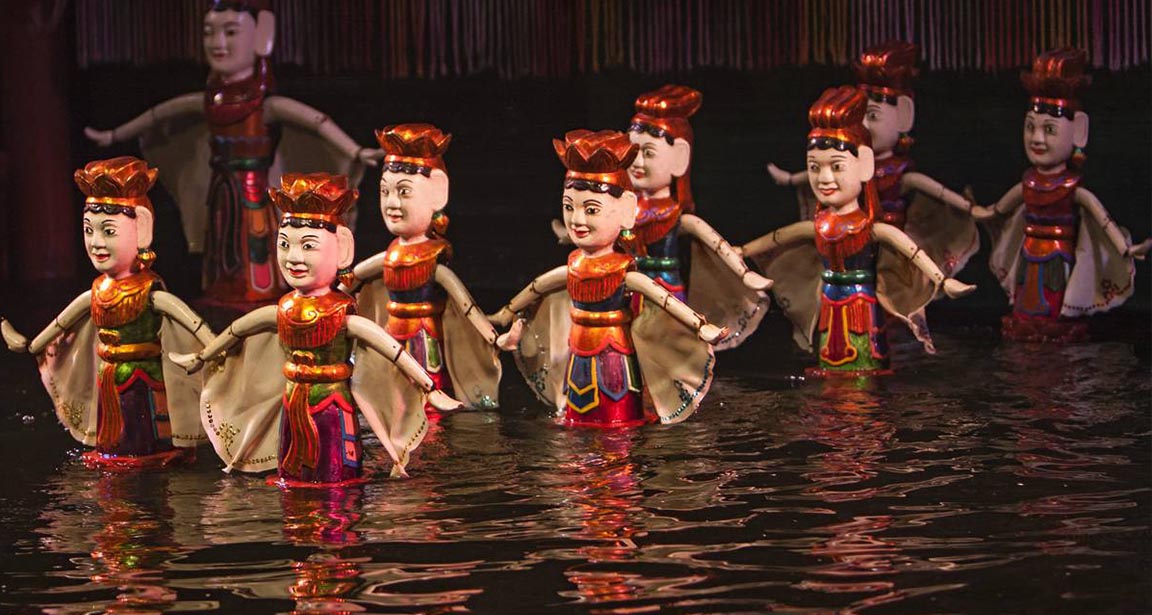
• Water Puppet Theatre Not to be missed while in Hanoi is definitely the water puppetry which is as bizarre as it sounds. It started when puppeteers from the Red River Delta decided to soldier on entertaining in spite of the annual floods. Now it's performed daily with wooden, mechanical puppets operated by puppeteers hidden behind a mesh screen, thus creating the illusion that the puppets are floating on water.
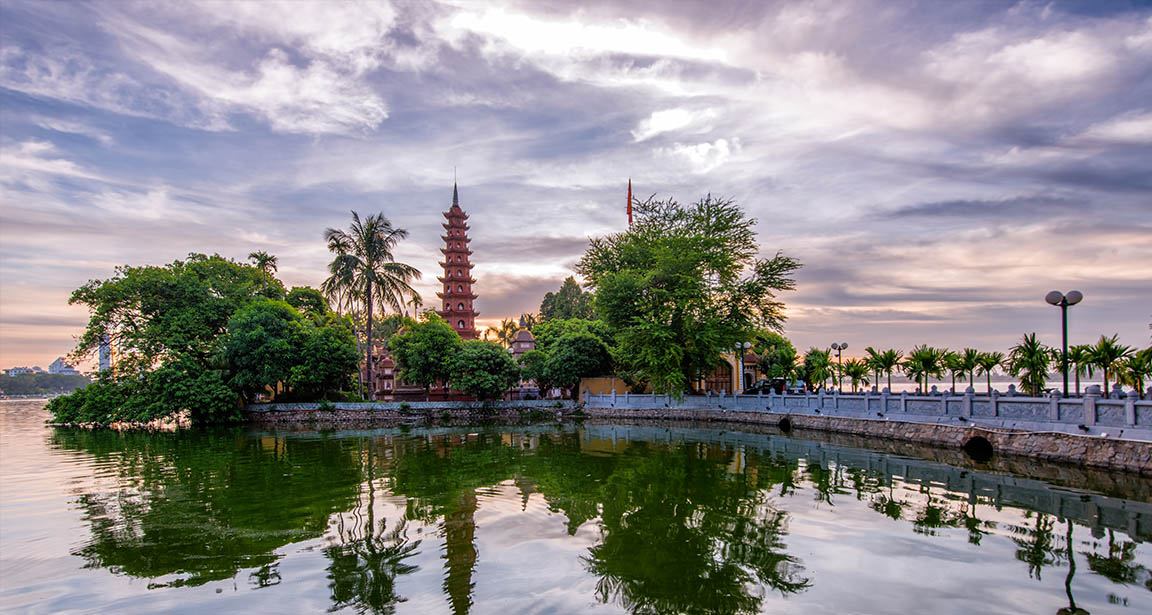
• West Lake, Quan Thanh Temple and Tran Quoc Pagoda are among the most beautiful sights in Hanoi located on the short of the Westlake in Thanh Nien Street.
• Handicraft Villages of Bat Trang Pottery, Van Phuc Silk, Le Mat Snake-raising and Ha Thai Lacquerware will give you great insights into the daily life of the locals and how traditional produces are made.
• In addition, Hanoi is also home to lots of interesting museums, each of which has its own colors to offer like History Museum,Museum of Vietnamese Revolution, Geology Museum, Fine Arts Museum, Women’s Museum, Army Museum, Hoa Lo Prison Museum, etc.
Hanoi Transportation:
• Flights: Most visitors arrive at Noi Bai International Airport – one of the largest airports serving both international and internal flights. Airlines that operate flights from/to Noi Bai include Vietnam Airlines, Cathay Pacific, Tiger Airways, Thai Airways and many others. From the airport, you could reach the downtown (around 25 miles) by taxi ($10- 20 USD), and Vietnam Airlines also offers a cheap and convenient minibus to the center of town.
• Trains: The Thong Nhat Express runs from Hanoi south to central Vietnam (Hue and Danang) then Ho Chi Minh City (over 30 hours). Moreover, there are northwest and northeast trains to China including popular overnight route from Hanoi to Lao Cai.
• Buses: With many bus stations, Hanoi is the starting point for open tour buses running from North to South Vietnam.
Best time to visit Hanoi:
Hanoi is perfect in autumn when the weather is less humid and cool. It is recommended that you visit Hanoi between the months of September and November which offer you an opportunity to join the joyful Mid-Autumn Festival. However, many of foreign tourists prefer coming in spring (Feb-Apr) to enjoy a warmer weather, regardless of possibly dragging drizzle, during Tet Festival, Vietnam’s traditional Lunar New Year. It is hot and sticky in the summer months (May-Sep) with the common temps of 36°C (86-97°F), but is perfect for lazing and sun baking on the pristine beaches around Hanoi including: Ha long bay, Cat Ba Island, Do Son Beach, Tay Thien Mau, Khoang Xanh, etc.
-
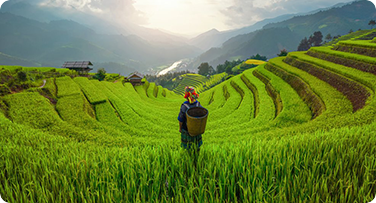 Regarded as being the Queen of the Mountains, the northwestern town of Sapa is the gateway to another world of mysterious minority cultures, luscious landscapes and a real retreat after all the noise and rush of city life. Overlooking a beautiful valley, lofty mountains towering over the town on all sides, the spectacular scenery that surrounds Sapa includes cascading rice terraces that spill down the mountains like a patchwork quilt which offer great opportunities for photos of a lifetime.
Things to do in Sapa:
• Hill Tribe Markets Being a small market town that has been a gathering spot for many local hill tribes for nearly 200 years, Hmong and Dao people, among others, still come here to conduct trade, socialize, and attend an ephemeral ‘love market’ where young men and women choose one another for marriage (these days, it's unlikely you'll see anything more than a staged re-creation of it). Most of the other hill tribe markets occurs at weekend in areas that surrounds Sapa Town and offers much colors to foreign travelers.
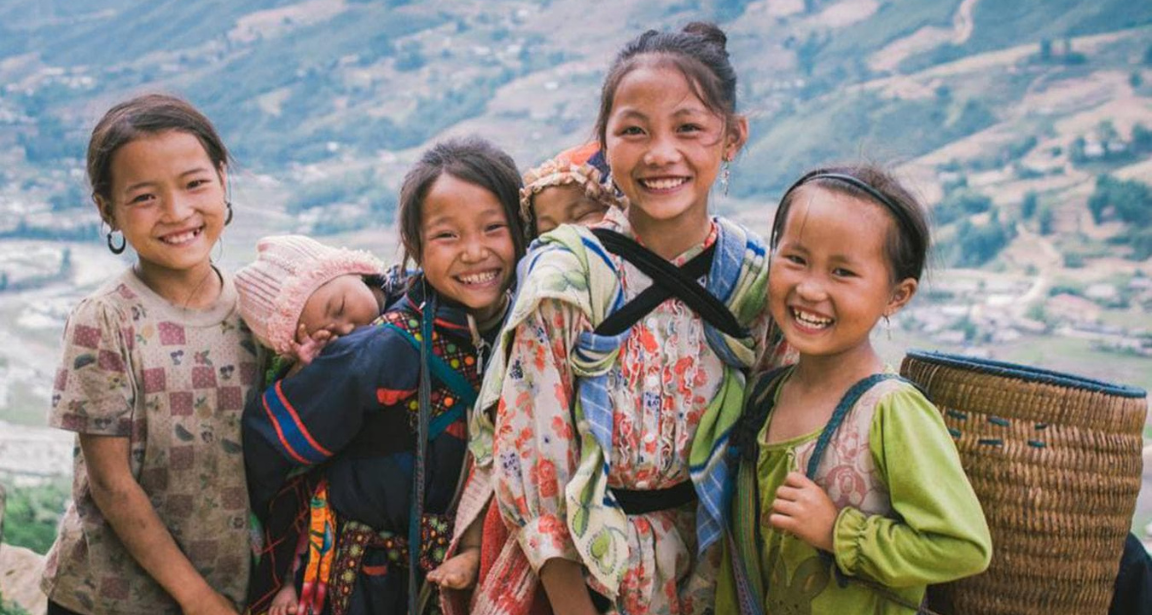
• Trekking to local villages would be easily the highlight of a trip to this mountainous town when you would really feel far from home. There is nothing like meeting and talking to the local folks, seeing parents and children talking, siblings playing and new babies wrapped in blankets on mothers’ backs, taking a few shots of them and their houses which are incredibly tiny.
• Fansipan Sapa is the starting point for many climbers and scientists who want to reach the top of Fansipan Mountain, the highest mountain in Vietnam at 3,143 meters. This pyramid shaped mountain is covered with clouds all year round and temperatures often drop below zero at the higher elevations.
• Other fascinating sites in Sapa include Ham Rong Mountain, the Silver Waterfall, Rattan Bridge, the Bamboo Forest and Ta Phin Cave. Regarded as the kingdom of orchids, hikers around Sapa will observe hundreds of different kinds of orchids in all shapes and sizes while trekking through the forest.
Top places in Sapa:
• Bac Ha Market About 100km from Sapa, this is the most famous market in the region and more along the lines of what Sapa was once like. Here, various hill tribes converge every Sunday morning to conduct commerce. As a visitor, you're part of the trade here because folks are keen to sell you their wares which include water buffaloes, pigs, horses and chickens as well as handicrafts and local wine. Bring a camera. Sunday morning from dawn to late morning is prime time, but the market continues until about noon. Most visitors make the 3-hour drive from Sapa in the early morning.
• Can Cau Market It’s about 20km north of Bac Ha and just 9km south of the Chinese border, this is one of the most fascinating open-air markets and attracts a large number of Chinese traders. The market is only open on Saturday.
• Lung Phin Market This small market is located between Can Cau Market and Bac Ha Town, less crowded than other markets and is open on Monday.
• Coc Ly Market Located some 100km from Sapa, this Tuesday market is lesser-known than Bac Ha, therefore, attracts less tourists and locals. The road leading to the market is in pretty good condition, you can go by river also.
• Ta Phin Village and Cave is another popular hike which is about 10km from Sapa. After taking a motorbike taxi from the town, most people make a 14 km loop walk of the area. The cave at the town requires a guide with a lantern or flashlight to go through. Explore deep into the cave would be more fun.
How to get to Sapa:
• Trains: From Hanoi, you can reach Lao Cai by overnight train (costs about $25) which takes about 10 hours. The day train leaves Lao Cai at 10.20am, while two night trains depart 8.35pm and 9.15pm, with the later express service including the private carriages. Once arrive, catch a minibus to Sapa from outside the station (VND 25,000). (Make sure to book your train ticket at least 10 days in advance to avoid hassle).
Best time to travel:
The best time to visit Sapa is in the summer months of March to May and August to December, when skies are more likely to be clear. These months are rainier but they are also warmer, and sometimes you can't beat a nice summer rain for atmosphere -- showers are typically brief, but it pours in buckets. Winter (January to February) can be cold, foggy, and rainy, but every three or four days, the weather clears and the views are more gorgeous than they are any other time of year. No matter what time of year you arrive, Sapa has its drawbacks and advantages.
-
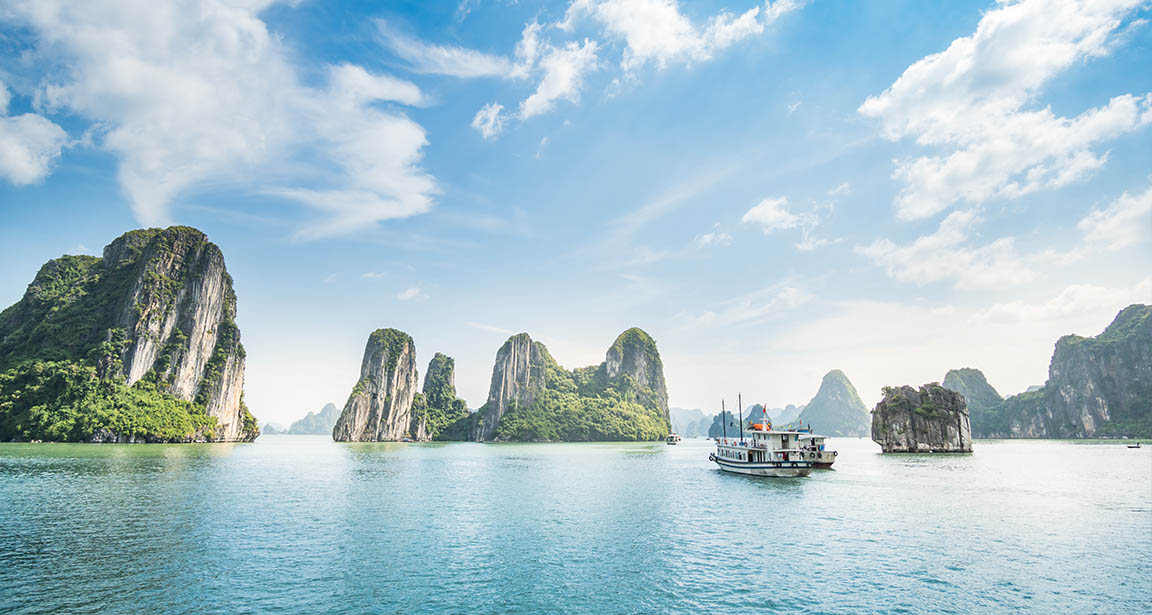
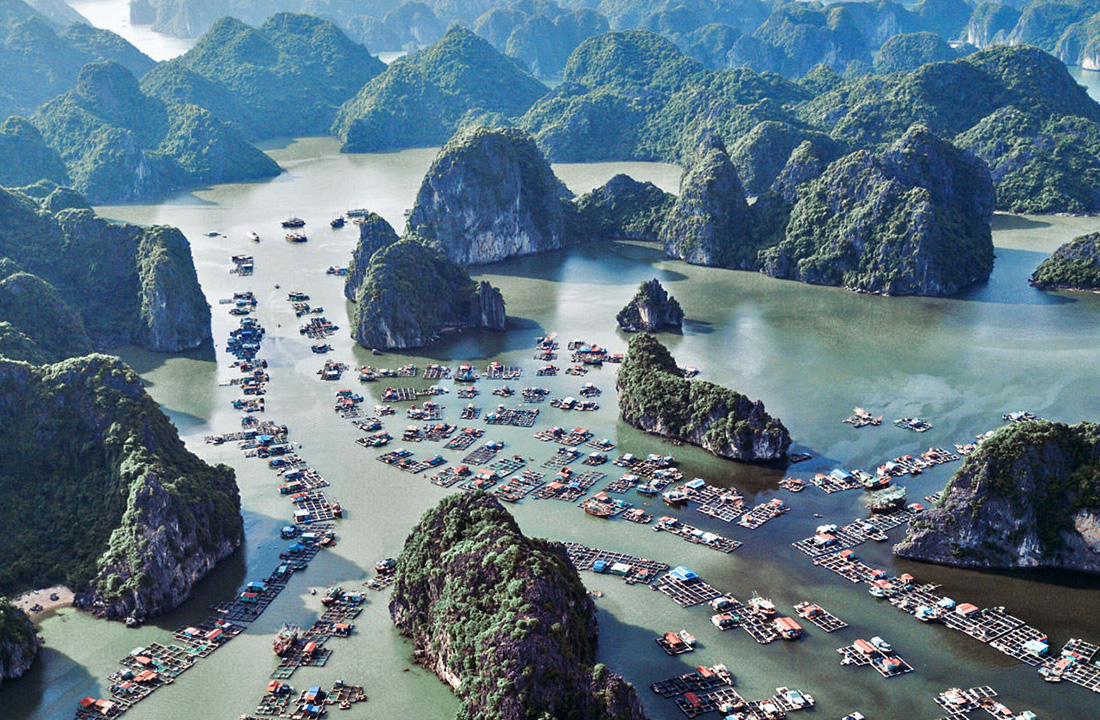
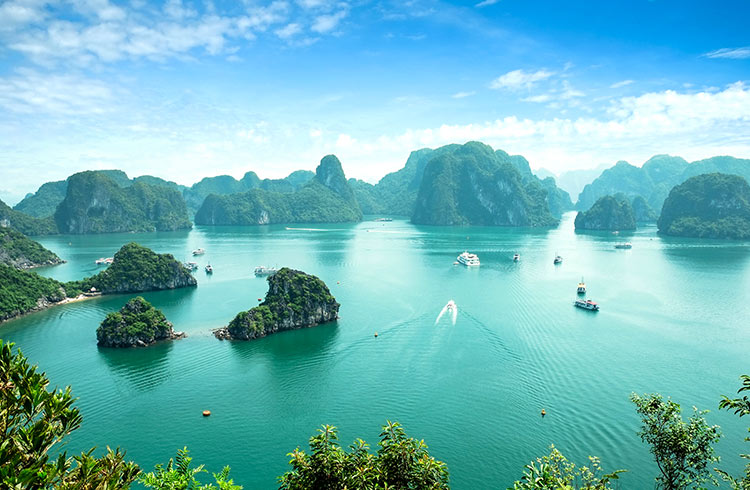 Seen from above, Ha Long Bay resembles a light blue handkerchief dotted with emerald gems; sometimes clustered together, sometimes isolated. The clever artistic hand of creation has made thousands of stone islands simulating familiar personages or animals. Like the constellations of the night sky, it’s possible to find a familiar form in every island of Ha Long Bay: one brings to mind a pair of chickens bobbing on the spacious water (Trong Mai Island); another is like a giant tortoise with half-closed and sleepy eyes (Tortoise Islet); another is like an old monk joining his hands in prayer to Buddha with his face overlooking the sea (Monk Islet); yet another is like a giant incense-burner standing in the middle of the sea which used to pray heaven and earth (Incense Burner Islet). It is a safe bet that many other islands bearing familiar forms remain undiscovered in the mysterious bay.
The sea of Ha Long is deep blue water throughout all four seasons. In spring, sailing amidst the waves, the stone islands look to be bobbing on the water. As summer approaches and the sun is rising on the far horizon, they appear to awake in unison and rise from the blue depths. The whole bay is bright red, and then turns to blue as the crests of the waves run together towards the shore. Orchids and fig trees, growing from fissures in the stone, bloom with snowy flowers.
As a boat makes its way through this forest of islands by ways of meandering channels, sometimes stone seems to be spread in front of you; forming a wall heeding further progress. Once nearer, the wall appears to crack open as if letting your boat pass. The scenery disappears behind you as yet another panorama opens to your view.
The winding route seems to be endless, but the beauty of Ha Long Bay does not consist only in the forms of its mountains, islands and the colour of its waters, but also in its infinitely rich system of grottoes and caves; concentrated mostly in the middle of the UNESCO-protected area. Heavenly Palace Grotto bears a modern and refined trait, while Driftwood Grotto is ample and grandiose and Surprise Grotto appears deeply secretive. There are many beautiful examples, closely linked with legends and popular tales, such as: Virginity and Male Grotto and the Fairy Grotto Lake. Each is a grandiose and refined natural architectural creation.
At sunset, when the mountains’ shadows stretch out long across the bay, the water turns grey-blue, before suddenly transforming to a crimson red as the last of the sun’s rays reach the far away islands. For one short instant, the whole scene mingles into one colour, and then all light is extinguished. After the moon climbs into the sky, the sea seems to be coated with silver, with the lights of Ha Long City reflected on the surface of the water.
It seemed that every islands, caves and beaches in Ha Long closely linked with the legend and popular tale of love, of the heroic song for safeguarding country... Visiting Ha Long Bay is a good chance to witness the romantic and attractive love story, which happened only in the legend.
Bai Tu Long Bay is located to the northeast of Ha Long Bay. Although the Bay seems less popular than its neighboring Bay of Ha Long, its beauty and attractiveness are undeniable and it boasts some of the World Heritage Site's most spectacular scenery, including beautiful limestone formations, rock arches, gin-clear water, virtually inaccessible lagoons, sheer cliffs, peaceful coves, eerie caves, secluded strips of white, powdery sand, and thousands of limestone islets. Like sculpted cartoon characters, these islets are fancifully named: Mat Quy Island (Monster Face Island), Swan Island, the Isle of Wonders and theIsle of Surprise. Local traditional junks glide over the teal-hued bay between the grottoes, which are densely carpeted in neon-green ficas, mangrove and spiky cacti. Pearl oyster farms are tucked into tight channels between the towering, limestone cliffs.
Things to do in Halong Bay:
• Visiting floating fishing villages: Apart from its natural beauty, historical and archaeological significance, the Bay of Ha Long is also home to 4 fishing villages namely Ba Hang, Cua Van, Vong Vieng and Cap La with a total of 287 households and 1,283 residents of which Cua Van is the largest. These fishing villages have maintained both a tangible and intangible marine culture and pulled lots of travelers both at home and abroad. It is interesting to see the rambunctious children flocking to “school”. Their bustling calling and their flopping rowing warm up the peaceful atmosphere of the Bay. Looking at the small boats driven by tiny oars going to school, and the radiant faces of the children, one feels confident in a vibrant future for the fishing villages.
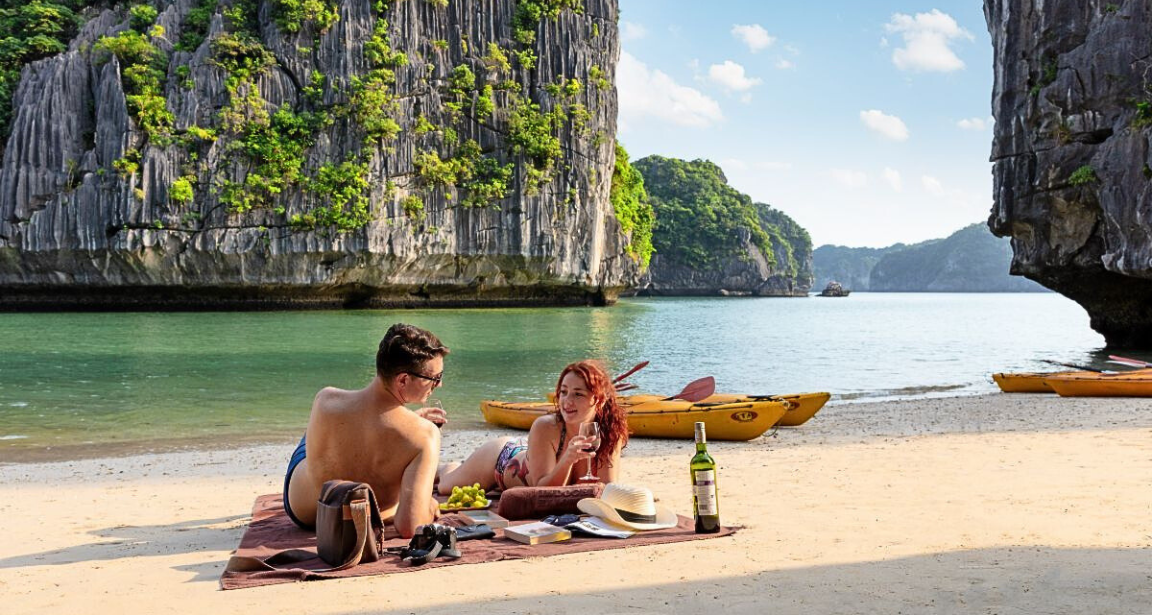
• Kayaking: Travelers to Ha Long Bay hardly resist the power and beauty of the site. However, if you come to Ha Long and don't take the opportunity to closely explore this marvel, you may miss some of the unique points of interest that make the bay a legend. As an add-on to your stay onboard our junk boats, sea kayaking is not only a health-benefit and rewarding adventure, but also a fascinating experience and an incredible way to closely explore caves, lagoons, beaches; paddle up and visit fishermen in their woven bamboo boats.
• Trekking in Cat Ba National Park: A trek to Cat Ba National Park will bring about a completely different experience as you’ll have a chance to see the panorama of Halong Bay from a mountain top, hear birds singing and see native medicine plants, caves where villagers sheltered in the war and beautiful butterflies.
• Fishing at night: Available upon request, fishing has become a favourite entertaining activity of many travellers to Halong Bay after a delicious dinner with tons of local cuisines.
How to get to Halong Bay:
It is hard to do it any cheaper on your own, but some travelers prefer to steer their own course. Traveling independently allows you to take more or less time in places, depending on the weather. The downside is that it is hard to arrange an overnight on a boat this way.
Most of our guests have long favored private transfers to Halong Bay which normally take about 3 hours per way, cost a few more bucks but way more convenient and comfortable.
Best time to travel:
As the number-one tourist attraction in northeastern Vietnam, Halong Bay draws a steady stream of visitors all the year-round. From February to April the weather in this region is often cool and drizzly. The ensuing fog can make visibility low, but this adds an ethereal air to the place and the temperature rarely falls below 10°C. During the summer months tropical storms are frequent, and tourist boats may have to alter their itineraries, depending on the weather.
-
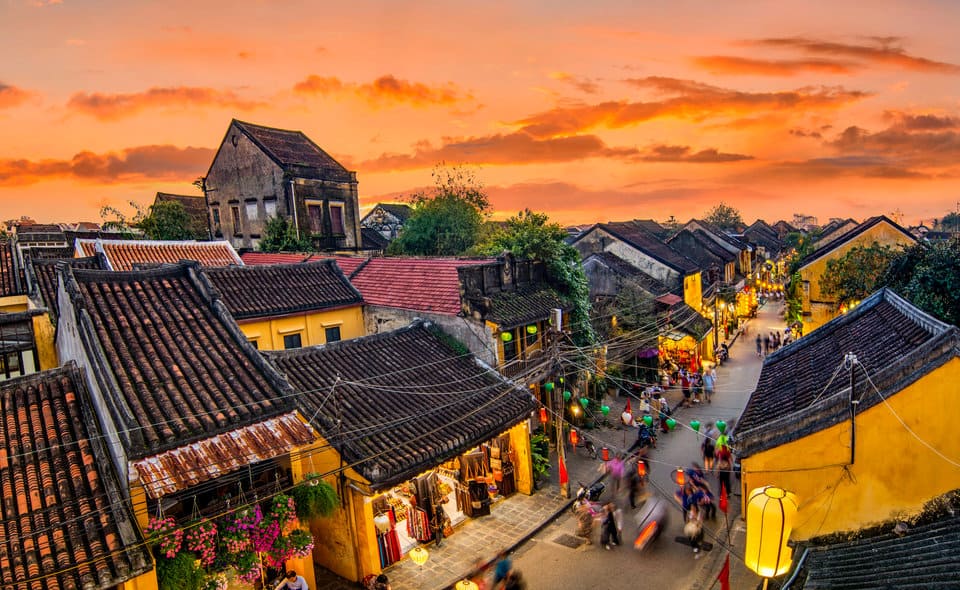 Perhaps more than any other place in Vietnam, Hoi An retains a sense of charm and history that have largely escaped the destruction of successive wars. The town, once a riverside village, is now a tourist town packed with hotels, restaurants, bars, tailors and souvenir shops. There is nothing like wandering about the town on a full moon night of every month when motorbikes are banned from the Old Town, which is transformed into a magical land of silk lanterns, traditional food, song and dance, and games in the streets.
Things to do in Hoi An:
• Strolling around Hoi An's rambling market streets-lined with centuries old houses, quite boutique and famous tailors.
• Having clothes tailored. This is the place for silk, ao dai and whatever you want of clothing. Present your favorite samples, come up for (several) fitting(s) you’re your clothes will be delivered to your hotel.
• Visiting art galleries and lunch in one food outlets, watching the timeless scenery unfolded before your eyes.
• Purchasing a couple of lanterns as souvenirs for your beloved at home.
• Booking a cooking class where you are instructed how to cook Vietnam’s traditional food by most respected artisans.
• Take a paddle boat trip on the Thu Bon River – the largest in Quang Nam province.
• A half or full day trip to My Son Holy Land will easily be worth your effort. The monuments are set in a verdant valley surrounded by hills and overlooked by the massive Hon Quap Mountain. Most travelers prefer departing in the early in the morning to see the sunrise which is divine.
Top places in Hoi An and nearby:
• Japanese Covered Bridge The name of this bridge in Vietnamese, Lai Vien Kieu, means "Pagoda in Japan." No one is exactly sure who first built it in the early 1600s, but it is usually attributed to Hoi An's Japanese community. The dog flanking one end and the monkey at the other are considered to be sacred animals to the ancient Japanese.
• Quan Cong Temple was built in the early 1600s to honor a famous Chinese dynasty General. Highlights inside are two gargantuan 3m-high wooden statues flanking the main altar, one of Quan Cong's protector and one of his adopted son. They are fearsome and impressive. The temple was reported to be a stop for merchants who came in from the nearby river to pay their respects and pray for the general's attributes of loyalty, bravery, and virtue.
• Cantonese Assembly Hall Built in 1885, this hall is quite ornate and colorful. All of the building materials were completed in China, brought here, and then reassembled. The center garden sports a fountain with a dragon made of chipped pottery, the centerpiece. Inside, look for the statues depicting scenes from famous Cantonese operas and, in the rooms to each side, the ancestral tablets of generations past.
• The Old House of Phung Hung Constructed in 1780, the two floor house is of combined architectural influences. The first floor's central roof is four-sided, showing Japanese influence, and the upstairs balcony has a Chinese rounded "turtle shell" roof with carved beam supports.
• House of Hoi An Traditional Handicraft is basically a silk shop with an interesting gimmick: On the first floor you can see both a 17th-century silk loom and a working, machine-powered cotton one. On the second, you can see where silk comes from: There are trays of silkworms feeding, then a rack of worms incubating, and then a tub of hot water where the pupae's downy covering is rinsed off and then pulled, strand by strand, onto a large skein. They have the best selection of silks, both fine and raw, in many colors and weights good for clothing and for home interiors.
• Phuc Kien Assembly Hall is the grandest of the assembly halls, built in 1697 by Chinese merchants from Phuc KienProvince. It is a showpiece of classical Chinese architecture, at least after you pass the first gate, which was added in 1975. It's loaded with animal themes: The fish in the mosaic fountain symbolizes scholarly achievement, the unicorn flanking the ascending stairs symbolizes wisdom, the dragon symbolizes power, the turtle symbolizes longevity, and the phoenix symbolizes nobility. The main temple is dedicated to Thien Hau, goddess of the sea, on the main altar. To the left of her is Thuan Phong Nhi, a goddess who can hear ships in a range of thousands of miles, and on the right is Thien Ly Nhan, who can see them.
• Old House of Tan Ky Built over 200 years ago, the four small rooms are crammed with dark-wood antiques. The room closest to the street is for greeting visiting merchants. Farther in is the living room, then the courtyard, and, to the back, the bedroom. The first three are open to the public. A guide who will greet you at the door will hasten to explain how the house is a perfect melding of three architectural styles: ornate Chinese detailing on some curved roof beams, a Japanese peaked roof, and a simple Vietnamese cross-hatch roof support. The mosaic decorations on the wall and furniture are aged, intricate, and amazing.
• Hoi An Cathedral Originally built in 1903, the structure was rebuilt in 1964 with the influx of greater numbers of Catholics seeking refuge from persecution in the North. There's a small orphanage out back, and this stalwart working cathedral ministers to more than an estimated 1,000 patricians in the area.
• Museum of History and Culture This building erected in 1653 houses works that cross 2,000 years of Hoi An history from Cham relics to ancient ceramics and photos of local architecture.
• Museum of Trade Ceramics Located in a traditional house, this museum describes the origins of Hoi An as a trade port and displays its most prominent trade item. Objects are from the 13th through 17th centuries and include Chinese and Thai works as well. While many of the exhibits are in fragments, the real beauty of the place is that the very thorough descriptions are in English, giving you a real sense of the town's origins and history. Furthermore, the architecture and renovations of the old house are thoroughly explained, and you're free to wander through its two floors, courtyard, and anteroom.
• Tran Family Home and Chapel In 1802 a civil service mandarin named Tran Tu Nhuc built a family home and chapel to worship his ancestors. Elegantly designed with original Chinese antiques and royal gifts such as swords, two parts of the home are open to the public: a drawing room and an ancestral chapel. One roof tile has been replaced with transparent glass, allowing a single shaft of light to slice through the chapel and onto the altar in the morning. The house does a splendid job of conveying all that is exotic and interesting about these people and their period. The drawing room has three sections of sliding doors: the left for men, the right for women, and the center, open only at Tet and other festivals, for dead ancestors to return home. The ancestral altar in the inner room has small boxes behind it containing relics and a biography of the deceased; their pictures hang, a little spookily, to the right of the altar. A 250-year-old book of the family history resides on a table to the right of the altar.
• Sa Huynh Culture Museum includes some of the burial jars, beaded ornaments, pottery vessels, and iron tools and weapons that have been uncovered. The building itself is not as interesting as most of the others but much interests travelers for the collection of objects it houses, rather than its setting.
• Central Market If you see one Vietnamese market, make it this one, by the river on the southeast side of the city. There are endless stalls of exotic foodstuffs and services, and a special big shed for silk tailoring at the east end (these tailors charge much less than the ones along Le Loi Street).
Hoi An Transportation:
• Buses The main Hoi An Bus Station is 1km west of the centre of town. Buses from here go to Da Nang , Quang Ngai and other points. More frequent services to Da Nang leave from the northern bus station from 5am until the late afternoon.
• A regular stop on the open-bus route, it’s easy to pick up a service to or from Hue or Nha Trang.
• Cars To get to Da Nang (30km) you can either head north out of town and join up with Highway 1A, or east to Cua DaiBeach and follow the excellent new road along China Beach. The going rate for a taxi between Danang and Hoi An is around US$10.
Best time to visit:
Although the temperatures are warm in Hoi An throughout the year, the hottest months on average are June and July and the coldest months of the year are December and January.
Generally more important to visitors than temperatures is the rain. The rainy (or monsoon) season in Hoi An is from September until January. During this time, rain clouds will constantly move through the area. There are days during which sunshine is abundant, but they are not the majority. A noticeable decrease in tourism can be seen during the wet season. The dry season is from February until May. These months provide plenty of sunshine, with warm temperatures.
That said, the best time to visit Hoi An is between May and June. -
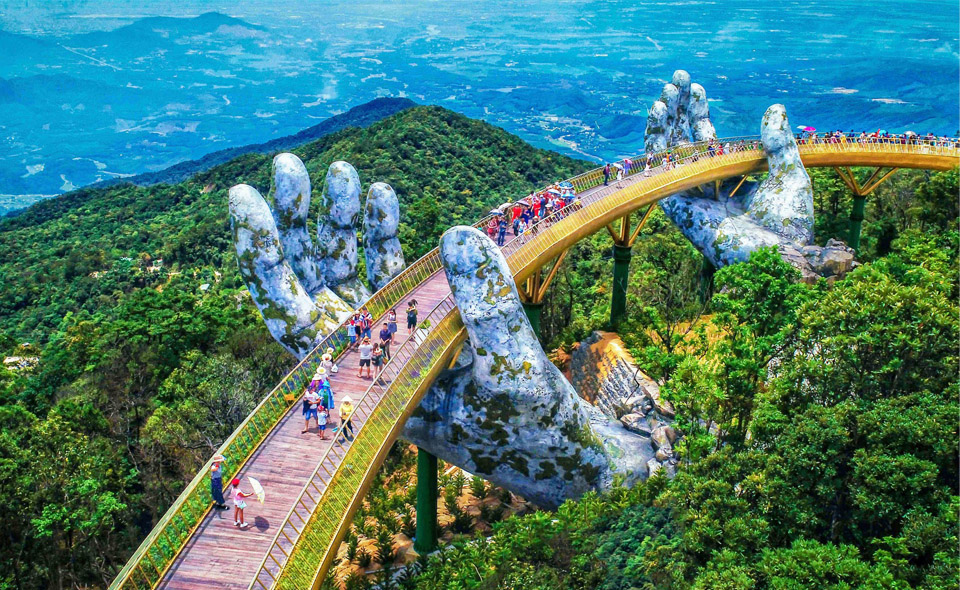 Although this country’s forth largest city is normally neglected by a majority of foreign travelers in favor of Hue and Hoi An, Da Nang has considerable colors and charm at its own right. The city is the combination of the buzz of a bigger city with beautiful beaches and great restaurants. Tree-lined boulevards, bridges and beachside resorts are now pulling more and more attention of travelers near and far.
Things to in Da Nang:
• China Beach was made famous in the American TV series under the same name, China Beach stretches for many kilometers north and south of the Marble Mountains. The best time for swimming along the beach is from May to July when the sea is at its calmest. The water can be rough around other times of the year.
• Non Nuoc Hamlet Located on the southern side of Thuy Son and a few hundred meters west of My An beach, the hamlet offers great gifts made by skilled artisans. It’s also great fun watching the carvers at work and taking some tiny carved figures that would make nice gifts once back home.
• Hai Van Pass Crossing over a spur of the Truong Son mountain range that justs into the South China Sea, in the 15thcentury, Hai Van Pass formed the boundary between Vietnam and the Kingdom of Champa. During the wartime, the Pass was heavily forested.
• Most buses make a few minute rest stop at the top of the pass. A private transfer will allow more time for travelers to tale photos along the way.
• Boating The Thuy Tu River which is north of Da Nang (near Hai Van Pass) has clean water and is ideal for boating. Some boats leave from the villages of Nam O which is famed for producing fish sauce. Another specialty of the area is Goi Ca which is fresh, raw fish fillets marinated in a special sauce and coated in a spicy powder.
• Taking a night cruise along the Han River will also be a memorable experience.
• Ba Na Hill Station Founded in 1919, Ba Na is called the ‘Da Lat of Da Nang’ and a former French Hill Station. The view is truly spectacular and the air is fresh and cool. Having lunch at Le Nim restaurant offers fantastic views from the balcony.
• Dien Hai Citadel Formerly known as Dien Hai Fortress built in 1813 in the 12th year of Gia Long’s reign by Da Nang river, the citadel bears the stamp of the tradition of the struggle of the people of Da Nang and the nation in the persistent war against the French colonialists for independence and freedom, made a significant contribution to the defeat of French invaders in Da Nang in 1858-1860.
Top places in Da Nang:
• Cao Dai Temple Built in 1956, Cao Dai Temple is the largest such structure outside the sect's headquarters in Tay Ninh. There are 20,000 Cao Dai faithful in Da Nang province. As with all Cao Dai temples, prayers are held four times a day: at 06:00, noon, 18:00 and midnight.
• Da Nang Cathedral Known to locals as Con Ga Church (Rooster Church) because of the weathercock on top of the steeple, the candy-pink Danang Cathedral was built for the city's French residents in 1923. Today, it serves a Catholic community of 4,000.
• Ho Chi Minh Museum There are three sections to the Ho Chi Minh Museum - a museum of military history in front of which US, Soviet and Chinese weaponry is displayed; a replica of Ho Chi Minh's house in Hanoi (complete with a small lake); and, across the pond from the house, a museum about Uncle Ho.
• Cham Museum was established in 1936 (originally the Ecole Française d'Extreme Orient) to house the relics of the powerful Hindu culture that once ruled vast tracts of central Vietnam. The museum has the largest collection of Cham sculpture in the world, in works ranging from the 4th to 14th centuries, presented in a rough outdoor setting that suits the evocative, sensual sculptures well. The more than 300 pieces of sandstone artwork and temple decorations were largely influenced by Hindu and, later, Mahayana Buddhism. Among the cast of characters, you'll see symbols of Uroja, or "goddess mother," usually breasts or nipples; the linga, the phallic structure representing the god Shiva; the holy bird Garuda; the dancing girl Kinnari; the snake god Naga; and Ganesha, child of the god Shiva, with the head of an elephant. The sculptures are arranged by period, which are, in turn, named after the geographic regions where the sculptures were found. Note the masterpiece Tra Kieu altar of the late 7th century, with carved scenes telling the story of the Asian epic Ramayana. The story is of the wedding of Princess Sita. Side one tells of Prince Rama, who broke a holy vow to obtain Sita's hand. Side two tells of ambassadors sent to King Dasaratha, Prince Rama's father, to bring him the glad tidings. Side three is the actual ceremony, and side four depicts the celebrations after the ceremony. There is a permanent photo exhibition of the many Cham relics in situ at various locations throughout Vietnam.
• Marble Mountains are actually a series of five marble and limestone formations, which the locals liken to the shape of a dragon at rest. The hills are interlaced with caves, some of which are important Buddhist sanctuaries. The caves at the MarbleMountains, like so many in the country, served as sanctuaries for the Viet Cong during the Vietnam War. Each peak is named for an element: Hoa Son, or fire; Mo Son, or wood; Kim Son, or gold; and Tho Son, or earth. The highest mountain, Tho Son, is climbable via a series of metal ladders beginning inside the cave and extending to the surface at the top. Ling Ong Pagoda, a shrine within a cave, is a highlight. The quarries in Non Nuoc village, at the bottom of the mountains, are as interesting as the caves are. Fantastic animals and fanciful statues of folk tales and Buddhist figures are carved from the rock.
• Phap Lam Pagoda Built in 1936, Phap Lam Pagoda has in its grounds a brass statue of Dia Tang (the King of Hell), a large yellow Happy Buddha and a giant pink Buddha with a swastika (a common Buddhist symbol) on his chest. A massive new pagoda was being built here at the time of research.
Da Nang Transportation:
• Flights: You can fly to Danang from both Hanoi and Ho Chi Minh City. The Vietnam Airlines office is located at 35 Tran Phu St, connecting Da Nang with Hanoi, Ho Chi Minh City, Pleiku, Buon Ma Thuot, Cam Ranh and Quy Nhon.
• Buses: If you're traveling on the ‘open tour’ ticket, Da Nang is not a specified stop anymore, but the budget tourist cafes can drop you off at the Cham Museum on the southern end of the city. You'll have to call the office in either Hue or Hoi An for pickup when you're ready to leave.
• Cars: It takes about 3 1/2 hours by car from Hue to Da Nang, and the route passes Lang Co Beach and crosses the very scenic Hai Van Pass. This ride makes a good day trip along with the Marble Mountains.
• Trains: All trains stop at the Da Nang Railway Station at 202 Hai Phong St. (tel. 0511/821-175) and depart both from Hanoiand Ho Chi Minh City.
Best time to travel:
Except for the periods of heavy monsoons, Da Nang is still often drenched with almost as much sun as rain, and this makes for a desirable year-round getaway. The city’s average temperature is about 26ºC, rising to 28-30ºC from June to August and cooling to 18-23ºC from December to February.
-
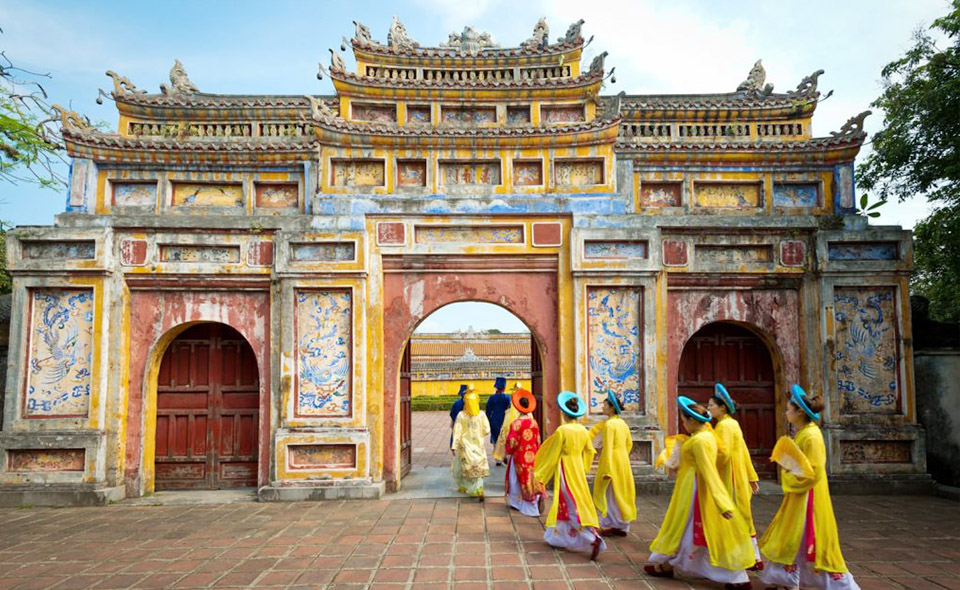 If you are history buffs, Hue will easily be high on your Vietnam must-see list. This capital of Nguyen emperors is packed with temples, tombs, palaces and pagodas or at least the remains of those that successive armies didn’t manage to completely destroy. The north bank of the beautiful Perfume River is host to its share of hotels and restaurants offering Imperial- style cuisine for which the city is rightly famous.
Things to do in Hue:
• Take a boat down the Perfume River to visit tombs, pagodas and temples, and a number of relics of former Imperial Capital.
• Discover the former Citadel, home to successions of imperial dynasties.
Enjoy Nha nhac Cung Dinh Hue (Court Music of Hue), one of the few intangible values recognized by UNESSCO.
• Buy a conical hat.
• Starting from Hue, a day trip to the nearby DMZ and Vinh Moc Tunnels will be a sobering reminder of the tumultuous wartime, and crossing the invisible line of demarcation between north and south is an important part of bringing things full circle for returning veterans and folks who lived through the war years. All of Quang Tri Province is a vestige of the war years really, as this was the site of some of the heaviest shelling and artillery exchanges during the war.
Top places in Hue:
• The Citadel is often used as a catchall term for Hue's Imperial City, built by King Gia Long beginning in 1804 for the exclusive use of the King and his household. Most of the site is comprised of crumbling stone buildings and walls overtaken by trees and plants. The natural disrepair gives the place an authentic, ancient feeling. Unfortunately, restoration is happening fast, and inner palaces and buildings are being reconstructed and given a fresh coat of paint. The city actually encompasses three walled enclosures: the Exterior Enclosure or Citadel; the Yellow Enclosure, or Imperial City, within that; and, in the very center, the Forbidden Purple City, where the King actually lived.
• The Citadel is a square 2km wall, 7m high and 20m thick, with 10 gates. Although the complex was constructed by a French military architect, it was actually the French who destroyed it many years later.
• See the Imperial City with a good English-speaking guide. The site is not spectacular in itself, but steeped in history and traditions, and a good guide can give you a breakdown of what things once looked like, what life was like at the Imperial court, and connect you with a dance show of the Imperial Dance Troupe.
• The Flag Tower Built in 1807 during Gia Long's reign, this tower is the focal point of the Imperial City. The yellow flag of royalty was the first to fly here and was exchanged and replaced by many others in Vietnam's turbulent history. It's a national symbol.
• Nine Dynastic Urns were cast between 1835 and 1836 and each is dedicated to a different Nguyen sovereign. The designs date back to 4,000 years, include the sun, moon, meteors, clouds, mountains, rivers and various landscapes. About 2m in height and weighing 1900kn to 2600kn each, the urns symbolize the power and stability of the Nguyen throne. The central urn which is the largest and most ornate is dedicated to Gia Long King.
• The Forbidden Purple City was once the actual home of the King and his concubines, this second sanctum within the Citadel is a large open area dotted with what's left of the king's court. The new Royal Theater behind the square and the partially restored Thai Binh Reading Pavilion, to the left of it as you head north, are notable mostly for its beautifully landscaped surroundings, including a small lake with stone sculpture, and the ceramic and glass mosaic detailing on the roof and pillars, favored by King Khai Dinh.
• The Noon Gate One of 10 entrances to the city, this southern entrance is the most dynamic. It was the royal entrance, in fact, and was built by King Gia Long in 1823. It was used for important proclamations, such as announcements of the names of successful doctoral candidates.
• Thai Hoa Palace Commonly known as the Palace of Supreme Harmony, it was built in 1833 and is the first structure you'll approach at the entrance. It was used as the throne room, a ceremonial hall where the King celebrated festivals and received courtiers.
• Khai Dinh Tomb Completed in 1931, the tomb is one of the world's wonders with outstanding workmanship.
• Minh Mang Tomb One of the most popular Nguyen Kings and the father of last King Bao Dai built a restrained, serene, classical temple, much like Hue's Imperial City, located at the confluence of two Perfume River tributaries. Stone sculptures surround a long walkway, lined with flowers, leading up to the main buildings.
• Tu Duc Tomb With the longest reign of any Nguyen dynasty King, from 1848 to 1883, Tu Duc was a philosopher and scholar of history and literature. The tomb was constructed from 1864 to 1867 and also served as recreation grounds for the king. The highlight of the grounds is the lotus-filled lake ringed by frangipani trees, with a large pavilion in the center. The main cluster of buildings includes Hoa Khiem (Harmony Modesty) Pavilion, where the king worked, which still contains items of furniture and ornaments. Minh Khiem Duong, constructed in 1866, is said to be the country's oldest surviving theatre. There are also pieces of original furniture lying here and there, as well as a cabinet with household objects: the queen's slippers, ornate chests, and bronze and silver books.
• Thien Mu Pagoda Often called the symbol of Hue, Thien Mu is one of the oldest and loveliest religious structures inVietnam. It was constructed in 1601. The Phuoc Dien Tower in front was added in 1864 by King Thieu Tri. Each of its seven tiers is dedicated to either one of the human forms taken by Buddha or the seven steps to enlightenment. There are also two buildings housing a bell weighing 2 tons, and a stele inscribed with a biography of Lord Nguyen Hoang, founder of the temple.
• Bao Quoc Pagoda Just past the train station on your way south toward the imperial tombs, little Bao Quoc temple is a Buddhist temple dating back to the 17th century. At the top of the steps leading to the main temple square, you'll see the grand arched entry of a classic Chinese school.
Hue Transportation:
• Flights: International travelers fly into Noi Bai International Airport in Hanoi or into Tan Son Nhat International Airport in Ho Chi Minh City to get to Hue.
• Air France is one of the major carriers servicing Hanoi and Ho Chi Minh City. Tiger Airlines service Hanoi and Singapore. Other airlines with regular service to Hanoi are Singapore Airlines, Malaysia Airlines and Korean Airlines (every Asian airlines service the country). Vietnam Airlines offers some interesting deals to travelers as cheap ground transportation to locations in Hanoi. It operates flights from Berlin, Hong Kong, Kuala Lumpur, Manila, Los Angeles, Moscow, Paris, Seoul, Singapore and Sydney among other destinations in Europe and Asia.
• Noi Bai has been recently remodeled and many travelers prefer it to arriving in Tan Son Nhat (but in some cases you can get lower fares if arriving in Tan Son Nhat).
• Trains: Trains depart daily from both Hanoi and Saigon to the station in Hue. There are two nightly departures, at 7 and 11pm. A trip from Hanoi to Hue takes 14 hours on an express train and costs about $35 in a soft-berth compartment with air-conditioning. From Saigon, in a soft-berth compartment with air-conditioning, it's about $50. The Hué train station is at the southwestern end of Le Loi Street.
• Buses: Many travelers choose a nerve-rattling overnight bus or minivan from Hanoi to Hue which takes an excruciating 17 hours and drops passengers off around the Hung Vuong tourist ghetto and picks up from the hotels. Expect a complete circus when the bus stops, as you’re likely to be followed by several persistent touts, all keen to direct your wallet to their hotel.
Best time to travel:
Hue is at its finest in the months of March and August when the weather warms up a bit and the rains have yet to come -
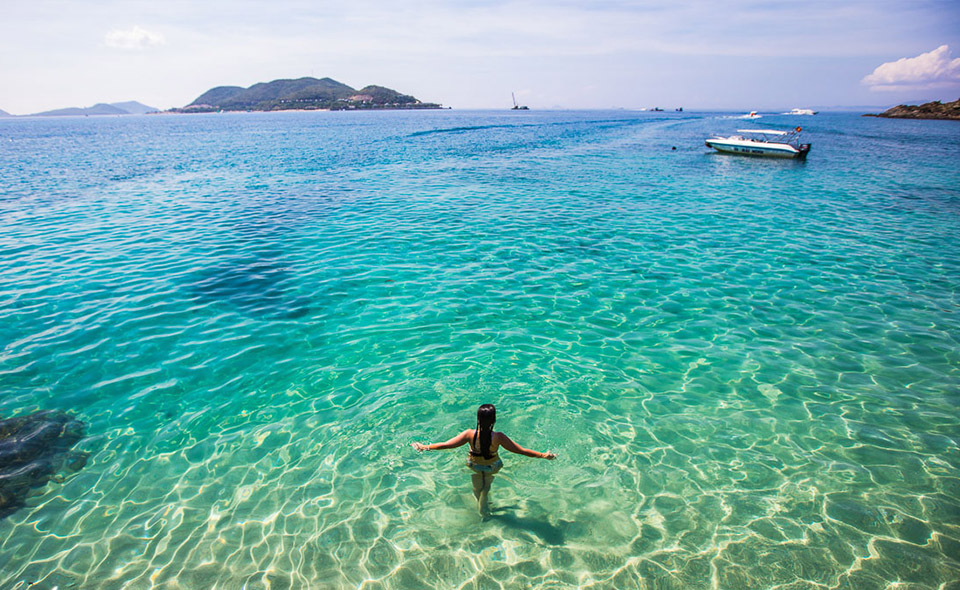 Hosting one of the most popular municipal beaches in all of Vietnam, this capital of Khanh Hoa province is indisputably beautiful, bordered by mountains, with the beach tracing an impressive long swoop along a bay dotted with islands. Topiary and modern sculpture dot the immaculately manicured foreshore. Nha Trang is an ideal place to come and party with incredible massage, beauty treatments, luscious seafood and cold beer.
Things to do in Nha Trang:
• Scuba dive on the coral reef and some of the many wrecks lying at the bottom of the bay. The remarkably clear waters support a good variety of soft and hard corals and a reasonable number of small reef fish.
• Take a walk on the nice white-sand-beach by sunrise or sunset would be the moments that you would never forget, and the service on the beach is incredible with massage, lunch, cold beer, manicure and beauty treatments and so on.
• Rent a boat and explore the outer laying islands would be a highlight of Nha Trang. A trip to these islands is one of the best reasons for a visit to Nha Trang. However, when booking a boat tour, you might consider asking if the captain anchors his boat to a buoy, instead of directly to the coral, in preservation of the environment.
• Have a bicycle (or cyclo) tour around the town. Along with Hanoi, Ho Chi Minh City and Hoi An, Nha Trang has emerged as a reasonable place of art and shopping. There are local painters and photographers displaying their works on the walls of Nha Trang’s resorts, restaurants and cafes.
• Go to the big market and enjoy seafood. You will be spoilt for choice since Nha Trang is naturally a seafood heaven.
Top places in Nha Trang:
• Alexandre Yersin Museum Here you can get a grip of the work of one of Vietnam's greatest heroes. Swiss doctor Yersin founded Da Lat, isolated an important plague-causing bacterium, and researched agricultural methods and meteorological forecasting, all to the great benefit of the locals. Yersin arrived in Nha Trang in 1891 and dedicated the better part of his life to scientific discovery from his busy laboratory here, until his passing in 1943. He founded the Pasteur Institute in 1895.
• Cam Ranh Bay Adjacent to the new airport, you can't miss this stunning sweep of sand if you're on your way to or from a flight. The high, winding road offers stunning views. Cam Ranh is 30km south of Nha Trang and can be reached by car for about $10 each way (same as the airport), or by motorbike taxi for about $5 round-trip.
• Doc Let Beach 45km north of Nha Trang and more or less targeted at regional tourists with chairs and tables lining the surf instead of beach loungers, and affordable guesthouses are nearby instead of pricey resorts, Doc Let makes a good day trip to meet locals and get away from the backpacker area.
• Long Son Pagoda The main attraction at this pagoda is the huge white Buddha on the hillside behind the main compound; the 24m-high statue is an important symbol of Nha Trang. Around the base of the Buddha are portraits of monks who immolated themselves to protest against the corrupt Diem regime; each monk's portrait, which is carved in relief on a paneled side of the statue, is framed in flames. After climbing the numerous stairs, you'll also be rewarded with a bird's-eye view of Nha Trang.
• National Oceanographic Museum of Vietnam Established on 14 September 1922, the Oceanographic Center south of Nha Trang is a fun visit for kids, and popular with large groups of domestic tourists. There is an exacting collection of the kinds of fish you would find in the sea near Nha Trang, and all are labeled in English. The best are the smaller aquariums in the back. Find reef sharks, turtles, living coral, anemones, puffers, lionfish, clownfish, sea horses, and a whole array of colorful reef species, some quite rare. The museum area holds 20,000 specimens collected over its long history, some full skeletons and others preserved in formaldehyde solution. The institute sponsors ongoing research and community projects, ranging from monitoring aquatic life to developing captive breeding programs and encouraging preservation and regeneration of local coral reefs.
• Po Ngar Cham Towers Built in the 8th century by the Cham people, an early Hindu empire in central Vietnam to honor Yang Ino Po Ngar, the towers set on the site of an earlier wooden temple burned by the Japanese in A.D. 774. The main tower, or Po Ngar Kalan, is one of the tallest Cham structures anywhere, and its square tower and three-story cone roof are exemplary of Cham style. The towers of Po Ngar have retained structural integrity, giving you a good idea of how it might have looked in all its glory. Two pillars of carved epitaphs of Cham kings are in the vestibule, and two original carved doors are in the sanctuary. The statue inside is of the goddess Bharagati, aka Po Ngar, on her lotus throne.
• Nha Trang Cathedral Built between 1928 and 1933 in the French Gothic style, complete with stained glass windows, Nha Trang Cathedral stands on a small hill overlooking the train station. It's a surprisingly elegant building, given that it was constructed of simple cement blocks. A particularly colorful Vietnamese touch is the red neon outlining the crucifix, the pink back-lighting on the tabernacle and the blue neon arch and white neon halo over the statue of St Mary.
• Thap Ba Hot Spring Center is one of the most fun experiences on offer here. For around $10 you can sit in a wooden bathtub full of hot thermal mud, or for around ₫4 per person you can slop around with a group of friends in a larger pool. The centre also has private mineral baths and a large outdoor heated swimming pool complete with thermal waterfalls.
Nha Trang Transportation:
• Flights: Nha Trang is 1,350km from Hanoi and 450km from Saigon. Vietnam Airlines makes daily connections with Vietnam's urban centers and nearby Da Lat. The Vietnam Airlines Office in Nha Trang is at 91 Nguyen Thien Thuat St. The Nha Trang airport, once in the center of town, has traded places with a larger military facility and is now called Cam Ranh Airport and is 35km south of town. The 30-minute ride costs about $11 for a taxi, $13for a minivan.
• Trains: Nha Trang is a stop on the Reunification Express and is 12 hours from Ho Chi Minh City on a soft sleeper for about $18, and 20 hours to Hanoi for $67. Though tickets can be purchased 1 day in advance (depending on travel season), we strongly recommend you to buy your ticket as soon as possible. The overnight connection with Ho Chi Minh City is the most convenient route.
• Cars: If you choose to drive from Hoi An to Nha Trang, it's a 10-hour trip and will cost you about $120 by car.
• Buses: Open buses are available for the connection from Hoi An (everyday at 7am or 7pm) or Ho Chi Minh City (everyday at 7:30am and 8pm) for about $8. The overnight schedules to Ho Chi Minh City and Hoi An are long and tiring rides, but a good option if you're short on time and don't want to waste your precious daylight hours looking out the window of a tour coach.
Best time to travel:
Unlike that of Ho Chi Minh City, the dry season in Nha Trang runs from June to October. The warmest months are October and November, but rains may be witnessed at night and in the morning. In general, Nha Trang is beautiful all the year round but at its best during the months of January to late October.
-
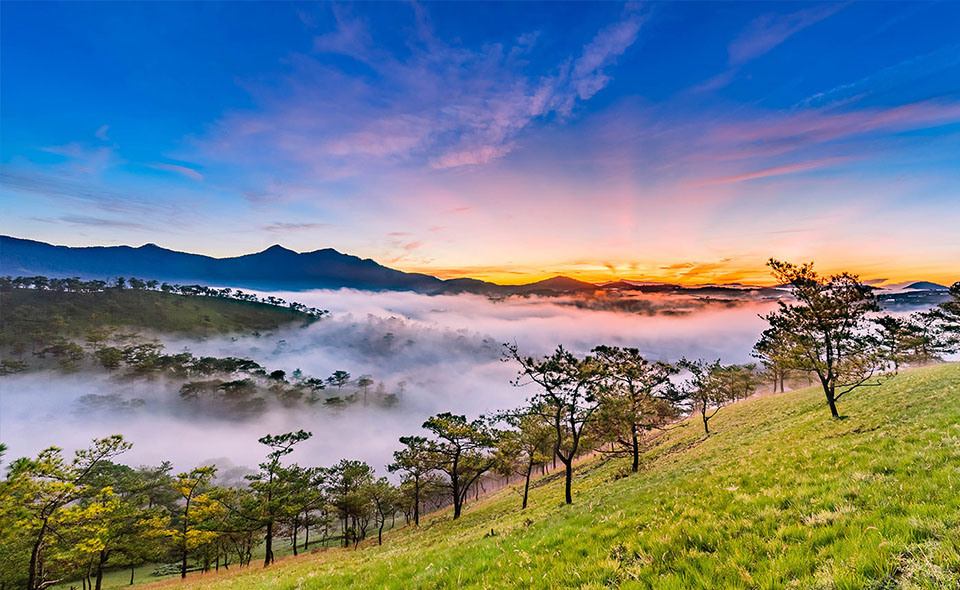 Known as ‘Le Petit Paris’ by the early builders and residents of this hillside resort town, Da Lat is quite different from anywhere else you’ll visit in Vietnam and still a luxury retreat for city dwellers and tourists tired out from all the noise and rush. In Da Lat you can play golf on one of the finest courses in Indochina, visit beautiful temples, and enjoy the town's honeymoon atmosphere with delightful tourist sights.
Things to do in Dalat:
• Stroll around the Xuan Huong Lake (or better yet, a trip around the lakes by paddle boats).
• Enjoy a game of golf at the oldest and most grand course in Vietnam.
• Do bicycling tour around the city, to the lake, the market, the tower, the gardens and wherever you want. Double-bicycles (for couples) are also available.
• Ride a horse in the park.
• Admire the waterfalls around town.
• Take your time in Love Valley, the most romantic place in Vietnam. Visit Bao Dai's summer Palace, Truc Lam Thien Vien (by cables).
• Da Lat is also becoming one of the homes for Vietnam's outdoor adventure activities, including trekking to the nearby minority villages, cycling, rock climbing and rappelling.
Top places in Dalat:
• Bao Dai Palace Completed in 1938, this monument is dedicated to Bao Dai, Vietnam's last King, with a place of rest and respite with his family. It has never been restored and, indeed, looks veritably untouched since the King's ousting and hasty exile. You'll be asked to go in stockinged feet or wear loose shoe covers, which makes it fun for sliding around the home's 26 rooms, including Bao Dai's office and the bedrooms of the royal family. You can still see the grease stains on Bao Dai's hammock pillow and the ancient steam bath in which he soaked. The explanations are in English, and most concern Bao Dai's family. There are three other Bao Dai palaces in town, the Sofitel Da Lat Palace Hotel among them, but this is the most choice.
• Da Lat Market is the top stroll-through destination in Da Lat. Huge, crowded, and stuffed with produce of all varieties, here you can see all the local specialties. Some of the vendors will be happy to give you a sample of some local wine or a few candied strawberries. The top floor of the market now houses a high-end embroidery studio, and shops catering to tourists are on the rise, but mostly what's for sale are good local wines, preserves, and produce. Just outside the market, a number of vendors sell anything from sweetened soy milk to affordable dinners. The place is busy night and day.
• Da Lat Railway Station Built in 1943, the Da Lat station offers an atmospheric slice of Da Lat's colonial history. You can see an authentic old wood-burning steamer train on the tracks to the rear, and stroll around inside looking at the iron-grilled ticket windows, which are now empty. The steamer train no longer runs and is replaced by a newer Japanese train that makes a trip to Trai Mat Street and the Linh Phuoc Pagoda.
• Lake of Sights Legend has it that a 15-year-old girl named Thuy drowned herself after her boyfriend of the same age, Tam, fell in love with another. Her gravestone still exists on the side of the lake, marked with the incense and flowers left by other similarly heartbroken souls. The place is crammed with honeymooners in paddle boats and motorboats.
• Lam Ty Ni Pagoda The temple itself is nothing special, though the immaculate garden in the back is nice; the attraction here is Mr. Thuc's large studio. Thuc, a Vietnamese Zen practitioner, seems to be painting, drawing, and scribbling his way to Nirvana. It's an interesting visit offering unique glimpse into the inner sanctum of a true eccentric.
• Lat Village of the Co Ho minority people is usually part of the all-day tours in the hills around Da Lat. There is an enormous cement statue of a chicken at the entry to town which is attached to different versions of the legend. The Co Ho people are very used to the many foreign visitors who come here every day and the sellers are not pushy and you are free to walk about this rustic little town at your own pace.
• Linh Phuoc Pagoda is another example of one of Vietnam's fantasyland glass-and-ceramic mosaic structures. Refurbished in 1996, this modern temple features a huge golden Buddha in the main hall, and three floors of walls and ceilings painted with fanciful murals. Go to the top floor for the eye-boggling Bodhisattva room and views of the surrounding countryside. In the garden to the right, there is a 3m-high dragon climbing in and out of a small lake. You'll find very cool little nooks and crannies to explore.
• Prenn Falls The falls are actually quite impressive, especially after a good rain. You can ride a rattle-trap little cable car over them if you're brave or follow a stone path behind the falling water. Other falls in the area include the GougahFalls, some 40km south of Da Lat, as well as Pongour Falls, 55km south.
• The French Quarter The whole town has the look and feel of a French replica, but on the ridge-running Tran Hung Dao road, never miss out the derelict shells of the many French colonial summer homes once populated and popular; it's where the connected and successful came to escape the Saigon roasting heat in summer. The road itself, one you'll take to many of the sights outside of town, offers panoramic views.
• Thien Vuong Pagoda built by the local Chinese population, this pagoda is remarkable for its serene setting among the hills of Da Lat and the very friendly nuns who inhabit it. It does have three awe-inspiring sandalwood Buddhist statues that have been dated to the 16th century. Each statue is 4m high and weighs 1 1/2 tons.
• Truc Lam Zen Monastery Unlike many other temples and most pagodas in Vietnam, you'll be wandering amid meditation halls and classrooms that are utilitarian, not museum pieces though it's packed with tourists at certain times of the day. You'll get to see monks at work and have an informative glimpse into the daily rhythms of temple life. The complex was completed in 1994 with the aim of giving new life to the Truc Lam Yen Tu Zen sect, a uniquely Vietnamese form of Zen founded during the Tran dynasty (1225-1400). The shrine, the main building, is notable mainly for its simple structure and peaceful air. The scenery around the monastery, with views of the nearby man-made lake, Tuyen Lam Lake, and surrounding mountains, is breathtaking.
• Valley of Love is scenic headquarters in Da Lat and a popular stopover for honeymooners. There are a few nice walking paths among the rolling hills and quaint little lakes, and everyone enjoys the antics of Vietnamese honeymooners zipping around on motorboats and posing for pictures.
• Xuan Huong Lake The centerpiece of Da Lat was created from a dam project that was finished in 1923, demolished by a storm in 1932, and reconstructed and rebuilt in 1935. You can rent windsurfing boards and swan-shape paddle boats.
Dalat Transportation:
• Flights: Vietnam Airlines runs daily flights between Da Lat and Hanoi and Ho Chi Minh City. Da Lat's Lien Khuong Airport is 30km south of town. A taxi from the airport to the city is $3 and takes about 30 minutes.
• Buses: Da Lat is the first stop on the open bus tickets from Ho Chi Minh City. Buses from both north and south first stop at Phan Rang, an old Cham temple site, where the road turns inland for the hills of Da Lat. The ride to Da Lat from the coast is winding and spectacular.
• Cars/Motorbikes: Take the brand new highway through the mountains via hired transport in a minivan or car. From Da Lat, the trip is approximately 4-5 hours to Nha Trang and slightly longer to Ho Chi Minh City.
Best time to travel:
The city of Eternal Spring, Da Lat’s temperature ranges between 15 and 24 degree Celsius. The dry season runs from December to March and the wet season from April to November. Generally speaking, the city is mercifully blessed with cool weather all the year round which makes it a perfect destination for honeymooners and couples. -
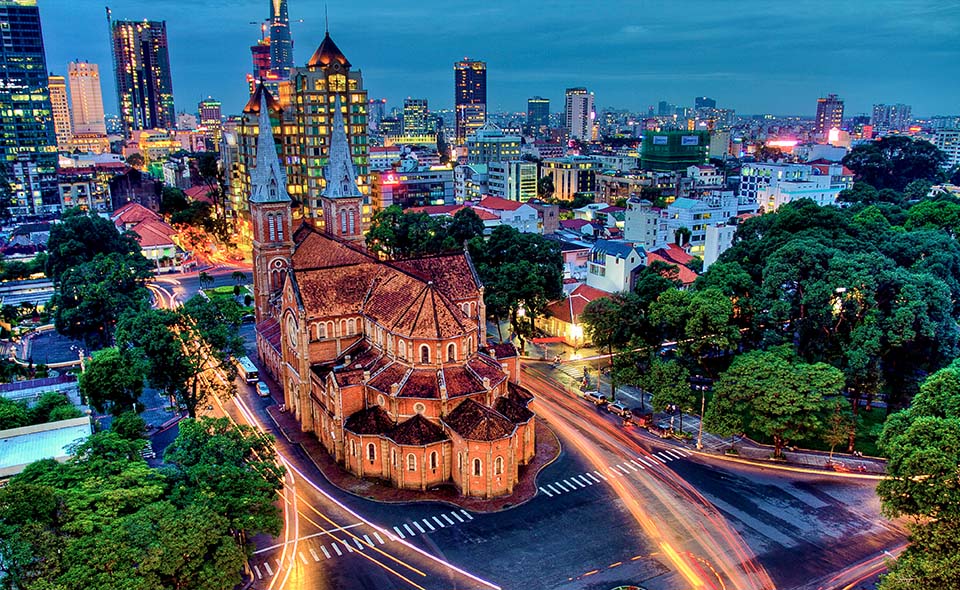 Ho Chi Minh City is Vietnam's undisputedly commercial headquarters with a keen sense of its own importance as Vietnamemerges from years of austerity to claim a place in the "Asian Tiger" economic slugfest. Located on the Saigon River, Ho Chi Minh City, or Saigon as it is still called by all, is Vietnam's major port and largest city, and still survives in wide downtown avenues flanked by pristine colonials. Thousands of expatriates and Vietnamese immigrants couldn’t imagine living anywhere else. They’ve long since fallen prey to the hidden charms of one of Southeast Asia’s most hectic and eclectic cities.
Things to do in Ho Chi Minh City:
• Encounter the tangle of local traffic head-on from the seat of a cyclo.
• Visit some of the city’s myriad museums and sprawling parks.
• Admire the elaborate Chinese pagodas in Cho Lon.
• Explore endless culinary possibilities and unbridled nightlife.
• Splish-splash a day away at one of the many water parks in and around the city.
• Book a trip to the Cu Chi Tunnels and down the Mekong Delta to explore the daily life and culture of the locals.
Top places in Ho Chi Minh City:
• Ben Thanh Market In addition to the clock tower over the main entrance to what was formerly known as Les Halles Centrale, the market can be considered to be the symbol of Saigon. Out front, near the main entrance, find lots of knockoff brand-name clothes, and farther in a number of small souvenir stands. Toward the back are a few small cafes serving local cuisine or coffee and che, a popular Vietnamese dessert. The wet market at the far back, with its selection of meat, fish, produce, and flowers, is interesting and hassle-free. In open-air stalls surrounding the market are some nice little eateries that open just as the market itself starts closing down, and this is in fact one of the best place to try authentic local cuisine
• Cao Dai Temple The Cao Dai religion is less than 100 years old and is a broad, inclusive faith that sprang from Buddhist origins to embrace Jesus, Mohammed, and other non-traditional, latter day saints such as Louis Pasteur, Martin Luther King, and Victor Hugo. Practitioners of Cao Daism are pacifists, pray four times daily, and follow a vegetarian diet for 10 days out of every month. Cao Daism is practiced by only a small percentage of Vietnamese people, mostly in the south, but you'll see temples scattered far and wide. Visitors are welcome at any of the four daily ceremonies, but all are asked to wear trousers covering the knee, remove their shoes before entering, and act politely, quietly observing the ceremony from the balcony area. The temple interior is colorful, with bright murals and carved pillars.
• On the way from Saigon to the Cao Dai Temple you'll pass through the town of Trang Bang, site of the famous photo of 9-year-old Kim Phuc who was burned by napalm and whose story is told in the popular book The Girl in the Photo.
• The road also passes Nui Ba Den, the Black Virgin Mountain, which is just 11km northeast of Tay Ninh (100km from Saigon). The story goes that a young girl was forced to marry a wealthy mandarin, and rather than do so fell to her death from the peak. The mountain is dotted with small temples.
• Cho Lon is a sizable district bordered by Hung Vuong to the north, Nguyen Van Cu to the east, the Ben Nghe Chanel to the south, and Nguyen Thi Nho to the west. Cho Lon is the predominately Chinese district of Saigon and probably the largestChinatown in the world. Cho Lon is a fascinating maze of temples, restaurants, jade ornaments, and medicine shops. You can lose yourself walking the narrow streets, but it makes sense to take a cyclo by the hour to see the sights.
• City Hall was originally a French hotel constructed between 1902 and 1908, a fantastic ornate example of refined colonial architecture. Unfortunately, it's not open to the public, but there is a small walking mall out front and running the length of the behemoth Rex Hotel, itself an important vestige of the American years when it housed the CIA headquarters. The park is a great spot for a good group photo with the majestic City Hall in the background.
• Cu Chi Tunnels Just 65km northwest of Saigon and definitely worth the day trip, the Cu Chi area lies at the end of the Ho Chi Minh Trail and was the base from which Ho Chi Minh guerillas used to attack Saigon. As a result, the whole area became a "free fire zone" and was carpet-bombed in one of many American "scorched-earth" policies. But the residents of Cu Chi took their war underground by developing a network of tunnels that, at its height, stretched as far as Cambodia and included meeting rooms, kitchens, and triage areas, an effective network for waging guerilla warfare on nearby U.S. troops.
• Emperor Jade Pagoda One of the most interesting pagodas in Vietnam, the Emperor Jade is filled with smoky incense and fantastic carved figurines. It was built by the Cantonese community around the turn of the 20th century and is still buzzing with worshippers, many lounging in the front gardens. The roof is covered with elaborate tile work. The statues, which represent characters from both the Buddhist and Taoist tradition, are made of reinforced papier-mache (chewed-up paper).
• Ho Chi Minh City Museum Formerly the Revolutionary Museum, this central behemoth attracts more newlyweds posing for photos on the front steps than anything. Originally built in 1890 by the French as a commercial museum, then a Governor's Palace, and later committee building, the exhibits in this museum cover a broad range, from archaeology to ethnic survey and early photos of the city and documents from its founding in the 1600s. The second floor is devoted to Vietnam's ongoing revolution, with displays of weaponry and memorabilia from the period of struggle against Imperialism and many flags, placards, and dispatches from the rise of Communism, beginning with the August Revolution of 1945 all the way to the fall ofSaigon.
• Notre Dame Cathedral The neo-Romanesque cathedral was constructed between 1877 and 1883 using bricks fromMarseilles and stained-glass windows from Chartres. The Romanesque towers of nearly 60m tower over a large white statue of the Virgin Mary and the nearby Saigon Post Office. The tiles are a cubic pattern done in black, white, and gray. The atmosphere is fairly serene and there's something calming about taking a rest on the wooden pews.
• Reunification Palace Designed as the home of former president Ngo Dinh Diem, the U.S.-backed leader of Vietnam until his assassination in 1962, this building is most notable for its symbolic role in the fall of Saigon in April 1975.
• Built on the site of the French governor general's home, called the Norodom Palace, the current modern building was completed in 1966. Like the Bao Dai Palace in Da Lat, the Reunification Palace is a series of rather empty rooms that are nevertheless interesting because they specialize in period kitsch and haven't been gussied up too much. Tour private quarters, dining rooms, entertainment lounges, and the president's office. Most interesting is the war command room, with its huge maps and old communications equipment, as well as the basement labyrinth. There is an ongoing screening in a series of rooms in the basement, cool and a good rest while touring.
• The Conference Hall The main room is still used for important national events. The carpeting you'll see on your visit is a shabby piece of cloth used for display and protection purposes only. For special events, like the recent APEC summit and the signing of the WTO accord, the display rug is whisked away and a bright red piece of carpet is unveiled.
• Opera House This magnificent building was built at the turn of the 20th century as a classical opera house to entertain French colonists. The building was renovated in the 1940s, only to be badly damaged by bombers in 1944. A shelter for refugees after the Geneva Accord split the country at the 17th Parallel in 1954, the building would briefly house the parliament before falling under first private, and ultimately state, hands (after reunification) as an opera house and theater. The three-story interior houses some 1,800 seats. Today the Municipal Theater does very little in terms of performances, but it is a stalwart atmospheric holdout amid the rising steel and glass downtown.
• Vietnam History Museum Housed in a pagoda-like structure, the museum presents a clear picture of Vietnamese history, with a focus on the south. There's an excellent selection of Cham sculpture and the best collection of ancient ceramics in Vietnam, although some of the artifacts are being held together by scotch tape. Weaponry from the 14th century onward is on display; one yard is nothing but cannons. Room 4 (left of the main entrance) has a fascinating, slightly creepy display of an embalmed body in remarkable shape that dates back to 1869. One wing is dedicated to ethnic minorities of the south, including photographs, costumes, and household implements. Nguyen dynasty (1700-1945) clothing and house wares are also on display. There are archaeological artifacts from prehistoric Saigon. Its 19th- and early-20th-century histories are shown using photos and, curiously, a female corpse unearthed as construction teams broke ground for a recent housing project.
• A small, three-row theatre inside the museum shows regular water puppet performances which is an intimate venue and the performance is to a certain extent wittier than the one in Hanoi.
• Vinh Nghiem Pagoda Located to the north of town on the road to the airport, this pagoda is distinct because of its constant activities at the attached school, as well as for the daily workings of the many monks and nuns housed here. Housed under large, sloping roofs, with upturned cornices, the temple has two floors, with a grand sanctuary on the second floor and a more utilitarian hall on the ground floor, as well as large block of classrooms and housing for monks and nuns, some of whom may come out and greet you in the hopes of practicing their English.
• Nearby, you'll also find the brash pink facade of the wedding cake that is Tan Dinh Cathedral, a busy working Catholic church with daily services that stands out like a sore thumb in the busy Saigon streetscape of the Tan Dinh area. The nearby Tan Dinh Market is notable for the absence of foreign visitors and the pushy hard-sell going on in the popular Ben Thanh Market; Tan Dinh is a good glimpse at the workings of an average city market, with cloth sellers at the front, dry-goods vendors in the center, and meats, vegetables, and fish sold in the back.
• War Remnants Museum is a comprehensive collection of the machinery, weapons, photos, and documentation ofVietnam's wars with the both the French and Americans. The museum was once called the War Crimes Museum and is a call for peace and a hope that history is not repeated. The exhibit begins to the right of the entrance with a room listing war facts: troop numbers, bomb tonnage, and statistics on international involvement in the conflict, and numbers of casualties on both sides. Next is a room dedicated to the journalists who were lost during the war. The exhibits are constantly evolving, and the museum was under renovation throughout 2004. One room is devoted to biological warfare, another to weaponry, and another to worldwide demonstrations for peace. The explanations, which include English translations, are very thorough. There is a large collection of bombs, planes, tanks, and war machinery in the main courtyard. There's also a model of the French colonial prisons, called the Tiger Cages, on the grounds.
• Can Gio Island is a beach and mangrove area just west of the Vung Tau Peninsula and only about 1 1/2 hours south ofSaigon. The bumpy ride there crosses a number of small bridges and requires a few short ferry hops. The beach is not spectacular, nor set up for fun and frolic, but instead it's a place where local families come to picnic and that's the main allure. Taking a holiday alongside locals, you'll likely be dragged into a group for a good barbecue and cup after cup of rice whiskey. Heading south of Saigon, you'll first reach the Nha Be area, a wide, wet plain, followed by two ferry crossings. Next, it's onto the island's mangrove forest area and beach which is good for a long walk and to clear Saigon's pollution out of your lungs and mind. You can get a bite at one of the local seafood shacks and enjoy a long, lazy repast before heading back to the big city.
Ho Chi Minh city Transportation:
• By Plane: Most regional airlines connect with Ho Chi Minh City, including Malaysian Airlines, Thai Airways, Bangkok Airways, Silk Air/Singapore Airlines, Lao Aviation, Garuda Indonesia, Philippine Airlines, United, and Cathay Pacific (from Hong Kong). Vietnam Airlines usually has the best fare thanks to government controls with daily flights from Hanoi, Hue, Danang, Hoi An, Nha Trang, and Da Lat.
• By Bus/Minivan: Saigon is the hub of transport in the south, and all bus lines pass through here. Pham Ngu Lao Streetboasts many traveler cafes that provide air-conditioned buses or minivans.
• Tourist buses also connect Saigon by road via the Moc Bai border crossing with nearby Cambodia. The all-day ride leaves daily in either a minibus or large air-conditioned coach from the De Tham-area tourist cafes.
• By Car: For safety reasons alone, if you're renting a car, we suggest that you book a private minivan with a tour or arrange a car with driver. Self-drive is possible, but chaotic roads and shoddy insurance can mean some major hassles.
• By Train: Saigon is the southern terminus of the Reunification Express, Vietnam's north-south rail connection. The Saigonstation is located in 1 Nguyen Thong St (District 3). Most popular from Saigon is the long hall to Nha Trang (about 6 1/2 hr) or toDa Nang (13 hr), Hue (14 1/2 hr), or all the way to Hanoi (31 hr).
• By Boat: The unique option provides connection by boat from Phnom Penh or Chau Doc in the Mekong Delta and begins an overland tour to Saigon.
Best time to travel:
With the annual average temperature is around 27ºC, heavy and long rains during rainy season from May and November, the best time to visit tropical climate zone, Ho Chi Minh City is in the dry season – from December to April.
-
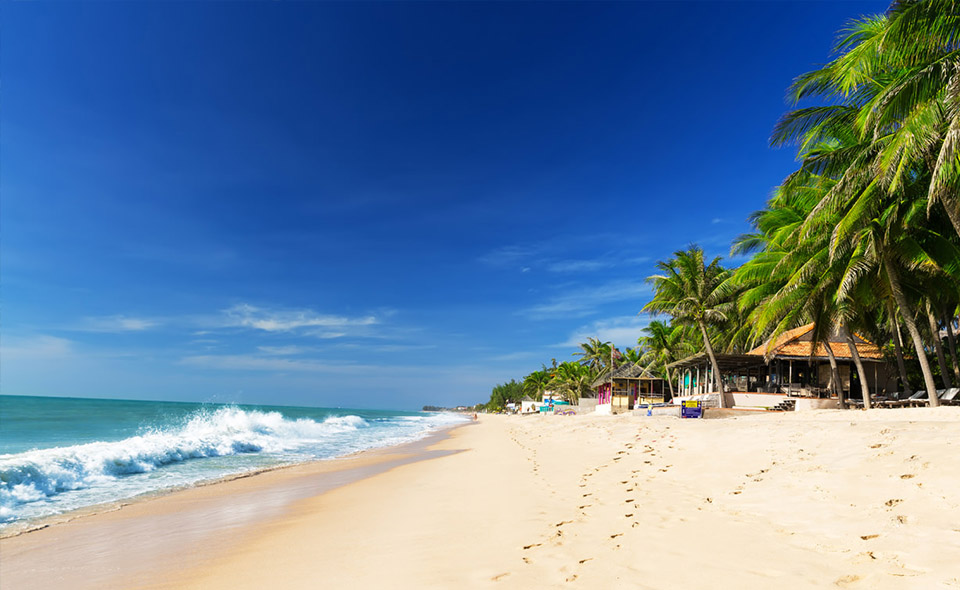 You'll want to get out to the long, sprawling, sandy stretch of Mui Ne beach to the east which is a popular weekend getaway from nearby Saigon.
Mui Ne is an isolated coastal town that is recognized by those who have visited as being so picturesque that one cannot help but admire its beauty. Mui Ne has now become a land where one can discover some of the most beautiful and romantic resorts in Vietnam. Most of the resorts in Mui Ne are built low surrounded by fruit gardens and facing the sea. Mui Ne today remains a traditional fishing village to this day and attracts a large number of tourists each year.
Things to do in Phan Thiet - Mui Ne:
• Get a jeep and explore stunning Lotus Lake and its surrounding sweeping white dunes.
• Test your kite surfing and windsurfing skills on one of the most challenging beaches inSoutheast Asia. (You even can get your license here).
• Indulge yourself in a spa treatment.
• Run or jog by the beach at sunrise and discover the marvel of nature.
Top places in Phan Thiet - Mui Ne:
• Some 20km northeast of town are Cape Mui Ne's sprawling sand dunes, and a trip out this way brings you through lots of quaint seaside villages that are well worth a wander. Coming from Mui Ne Beach, you'll first reach a small fishing town and can explore its fine little rural market, great in the early morning. Heading inland away from the beach, you'll first come to the towering Red Dunes. A walk to the top offers great views of the town and surrounding countryside. From the Red Dunes, if you have time, the unique Silver Lake is reached only after a long bumpy ride, but the views of the coast are dynamic and this unique little verdant lake in the large, parched silver dune makes the trip worth it.
• At the highest point on the road between Phan Thiet Town and Mui Ne Beach, you won't miss Cham Tower, an impressive spire of crumbling brick. The tower dates from the end of the 13th century and is worth a stop if you weren't able to catch any of the Cham sites near Hoi An and Danang.
• Mui Ne has quickly been transformed from an isolated stretch of beautiful white sand to one long row of resorts. While there’s still a fishing village at the east end of the beach, it’s tourists that make up most of the population. The boom in top-end resorts hasn’t killed the chilled surfie vibe, although it has brought an increasing number of up-market restaurants and souvenir shops. It’s an unusual set up, as everything is spread along one 10km stretch of road – the accommodation is on the beach side and the restaurants and bars mainly on the other.
• Po Shanu Cham Towers Heading west from the dunes, Po Shanu Cham Towers occupy a hill near Phan Thiet, with sweeping views of the town and a cemetery filled with candy-like tombstones. Dating from the 9th century, this complex consists of the ruins of three towers, none of which are in very good shape. There's a small pagoda on the site, as well as a gallery and shop.
• Whale Museum The denizens of Phan Thiet have made their living for centuries off the sea. It was believed that in bad weather, whales would guide fishermen to safety, so a local practice arose over the years of paying homage to 'Mr. Whale,' and a temple was built in 'his' honor in 1762. In the back of the temple is a glass box stuffed with various whale bones, but the real attraction is the 22-metre-long whale skeleton on display in a separate building alongside the temple. It's well-mounted, impressively large, and worth a look.
How to get to Phan Thiet - Mui Ne:
• By Bus or Car: Phan Thiet is just 3 hours from Saigon. The buses from Ho Chi Minh City to Phan Thiet depart from Mien Dong Bus Station.
• By train: The nearest train station to Phan Thiet is 12km west of town. The Reunification Express train between Hanoi and Ho Chi Minh City stops here.
Best time to travel:
The weather in Phan Thiet is roughly the same all year – hot and dry with an average temperature of around 27 degrees. The rainy season begins in May and runs through October, but the rain is often light and sporadic. The waves are best from August to December, and the wind is best from November to April, so never really a bad time to go.
-
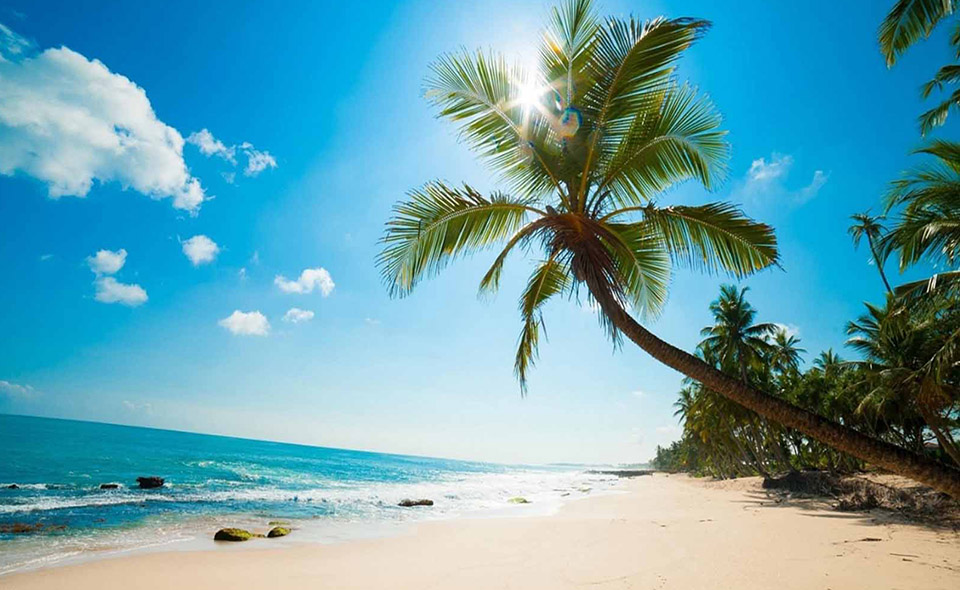 A visit to Phu Quoc island is a good, affordable opportunity to relax, spend time on the beach, kayak its quiet inlets, scuba dive or snorkel the coral reefs, or simply have a great seafood meal followed by a cocktail on the beach. With its five-star resorts and elegant family-run bungalows, Phu Quoc is one of Vietnam’s star attractions in its own right.
Phu Quoc is called the island of pearls from the wealth bestowed to it by nature and its rich tourism potential. The island has many beautiful beaches. Visitors to Phu Quoc can swim, hike, visit the caves, go jungle trekking, and more.
Things to do in Phu Quoc:
• Try scuba diving around the hard and soft coral reefs as well as coral fish has been on the must-do list of adventurous lovers.
• Visit Phu Quoc National Park: Phu Quoc National Park is a good destination for tourists as it offers a wide range of activities such as camping and trekking. It’s also ideal for those who want to study the tropical forest. As Phu Quoc develops into Vietnam’s ecotourism capital, the jewel in its crown, the park will become ever more attractive to visitors from around the world.
• Patrol around beaches by motorcycles.
• Shopping at Phu Quoc Pearl Farm: On an isolated stretch of Long Beach, Phu Quoc Pearl Farm is a requisite stop if you're shopping for pearls. A small shop sells pearl necklaces and earrings, and wall panels describe (in English) how the oysters yield their goods. There's a tiny café on site. Avid pearl hunters can find cheaper wares at kiosks in thevillage of Ham Ninh.
Top places in Phu Quoc:
• Phu Quoc's quiet dirt roads are a great place to get your motor running and ying ying ying all over the island. Motorbike rental for 1 day costs about $7 and can be arranged at any hotel front desk or from the motorbike taxi lads themselves at the airport.
• Heading north along the west coast of the island, roads of thick red dust connect villages set along salty inlets crowded with small fishing boats. You'll first come to the beach area of Ong Lang, which hosts a small clutch of resorts and services along a quiet stretch of sand; a small turnoff from the main road takes you there. Continuing north, follow long stretches of open beach lined with fish and squid out to dry on large bamboo mats. There are lots of opportunities along the way for complete seclusion. The coastal road reaches Gan Dau, a small town of busy Fish Sauce Factories. Farther out on the peninsula area, you'll find a few local hangout spots with hammocks under shade trees by the beach.
• From Gan Dau, you can turn inland and make a long clockwise loop. It's 13km along jungle road to the town of Rach Vieu, and another 6km east brings you to the Suoi Cai Crossroad. From there you can go 13km to the beaches of Bai Thom (a military base on the far north end of the island), or even get motocross for the long trip down the treacherous trails on the island's east side; most take the short loop inland, some 16km heading back to Duong Dong town.
• Going south from central Duong Dong town, toward the An Thoi Port area on the far southern tip of the island, are a few attractions. Lying some 25km south is the beautiful Khem Beach, a long white-sand stretch lined with palms and with some actual pounding surf. On clear days, it's great for snorkeling. You'll just spot a few lazy beachside sugar shacks with low tables under umbrellas and lots of hammocks in the shade where you can sip a cool drink, order lunch, and watch the day go by. It's a popular beach for domestic tourists, though, so it gets pretty crowded on the weekends.
• Along the coast, Phu Quoc Pearl Farm (Duong To Village, 10km on the western coastal road) is a relaxed roadside stop overlooking a long stretch of open beach along the dusty coastal road, as well as a small museum with good explanations about the complex process of pearl farming and a very high-end boutique with some very unique colored and clear pearls in fine gold and silver settings. Stop here if you're heading to Sao Beach in the far south.
• Nha Tu Phu Quoc is the old jail where the French housed Vietnamese dissidents. The sight is just an enclosed field with old fallen-down sheet metal Quonset huts, but there is a little adjoining museum with some photos and information (daily 7-11:30am and 1:30-4pm).
Phu Quoc Transportation:
• By plane: Vietnam Airlines offers daily flights from both Ho Chi Minh City and Rach Gia, a small coastal town adjacent to Phu Quoc on the Mekong Delta mainland. Some flights actually hop from Ho Chi Minh to Rach Gia and then on to Phu Quoc. From Ho Chi Minh, the flight is about 45 minutes and leaves Saigon's Tan Son Nhat domestic terminal daily at 5:55, 6, 6:40, 8, and 10:15am, and noon. Return flights from Phu Quoc Airport to Saigon leave daily at 7:25, 8:10, 9, 9:30, and 11:45am, and 1:30pm. Vietnam Airlines’ Ho Chi Minh City office is located at 116 Nguyen Hue (District 1), across from the Rex Hotel. A motorbike taxi from the airport to Long Beach is just about $65.
• By boat: Numerous companies operate speedy hydrofoils that sail between Rach Gia and Phu Quoc. Boats leave the mainland daily between 7am and 8.30am, and return from Phu Quoc between 12.30pm and 1.30pm. Ticket prices for the 2½-hour journey range from 150, 000 to 200, 000d for adults, and 70, 000 to 90, 000d for children. Tickets must be purchased in advance, though you can usually find a seat by booking as little as 30 minutes ahead.
• All passenger ferries departing and arriving at Phu Quoc use the port of An Thoi on the southern tip of the island.
Best time to travel:
Phu Quoc’s rainy season is from July to November. The peak season for tourism is mid-winter when the sky is blue and the sea is calm. However, when it is not raining, it is roasting hot; therefore, never forget to brining sunglasses and plenty of sun cream -
 Famous for the poetic beauty of the mountains and forests, combined with the rich and diverse cultures of the mountainous ethnic minorities, Mai Chau has become one of the ideal and interesting destinations for tourists. Coming to this land, you will have the opportunity to enjoy a fresher and simpler sky, getting away from the hustle and bustle of life.
Things to do in Mai Chau:
• Rent a bicycle to visit the villages in Mai Chau.
• Experience the local markets where the typical foods of ethnic minorities are sold.
• Climb to the sky gate and immerse yourself in the sea of floating white clouds.
• Practice making crafts
• Discover the misterious caves like Hang Mo Luong, Hang Chieu,...
Top places in Mai Chau:
• Lac village: the place where the cultural identity of the white Thai people is imprinted. Up to now, the village has existed for 700 years, and this home of 5 Thai ethnic families: Ha, Lo, Vi, Mac, and Loc are still living in.
• Thung Nai Port: the place is compared to "Ha Long Bay on land" with the beauty of which is the combination of Da River and majestic mountains, so poetic and peaceful.
• Nhot village: the place where special stilt houses are built, representing the culture of the locals.
• Mai Chau Ecolodge: a 4-star standard resort with 20 bungalows located on Na Thia hill facing rice fields, is one of the most beautiful photo spots in Mai Chau. In addition, Ecolodge also has a swimming pool and a large restaurant on the top of the hill, where you can enjoy the sunset and sunrise of Mai Chau.
• Mai Chau Flagpole: where you can see the whole Mai Chau valley from above.
Transportation:
• Motorbikes: With a distance not too far from the capital Hanoi, travelers can choose motorbikes as their means of transport and go through the Hanoi - Xuan Mai - Luong Son - Hoa Binh - Muong Khen – Mai Chau route, this is the shortest and fastest route to Mai Chau.
• Bus: Besides, you can travel by car if you don't want to encounter any obstacles to the weather. What you need to do is move to My Dinh or Giap Bat bus station to catch a bus to Mai Chau (Hoa Binh) with fares ranging from 90-110,000 VND/person, depending on the bus company. When you arrive at Tong Dau junction, you need to take a motorbike taxi and go about 5km to the center of Mai Chau valley.
Best time to travel:
With its geographical characteristics, Mai Chau always has a cool and pleasant climate. Summer is not too hot and winter is not too cold, so visitors can come to Mai Chau at any time of the year. However, Mai Chau is most beautiful in the following 2 periods:
• October to December: The time when the weather here is quite pleasant and visitors will be immersed in the peach blossom garden, and white plum blossom in Mai Chau land.
• March and April: the time when visitors have the opportunity to get closer to the local traditional culture of the ethnic groups here through many festivals, especially visitors also can enjoy the Ban flower - the typical flower of this land. -
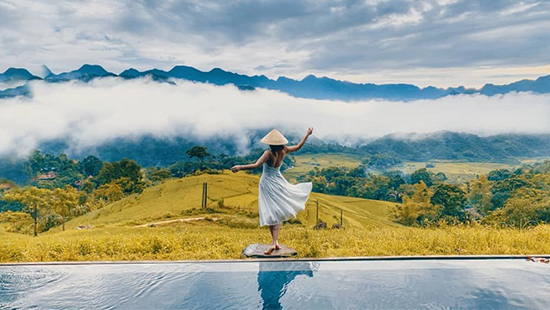 Being able to get away from the hustle and bustle of the city but no need to go to the far northwest lands, just come to Pu Luong, you can immerse yourself in the wild nature of the mountains and forests with the cool fresh air and admire all the simple beauty that blends with the clouds.
Things to do in Pu Luong:
• Enjoy traditional dishes with rich mountain flavors such as Lam rice, forest banana flower salad, bitter soup, corn wine, pickled palanquin, and boiled duck meat...
• Admire the rocks, stalactites with strange shapes such as human figures, trees, beasts ... of different colors, at Kho Muong cave.
• Take photos at the top of Pu Luong mountain
• Participate in the Pho Doan market - where the exchange and sale of products of the Kinh, Muong, and Thai ethnic groups take place.
• Try to make Lam rice
Top places in Pu Luong:
• Pu Luong Peak: If you are adventurous, you can climb Pu Luong peak above 1,700m where you can completely admire the scenery of mountains, and fields and enjoy the feeling of conquering the glorious peak.
• Pho Doan market: this has the characteristics of a highland market with mainly self-supply. The products, though simple, are quite rich in categories such as brocade costumes, Can wine, wild vegetables, insects, fresh fruits, etc.
• Don village: owns a wild beauty, with terraced fields stretching, and houses on stilts lying along the foothills of peace and quiet. Even more impressive, when coming to this place, visitors will learn how to weave cloth, and receive the sincerity and warmth of the local people.
• Son - Ba - Muoi are 3 highland villages of Lung Cao commune whose unspoiled beauty is very attractive to those who love adventure travel. In particular, this place still preserves many customs of the ancient Thai people, clearly showing the characteristics that have not been influenced by modern architecture from the outside.
Pu Luong Transportation:
• Trains: you can take the train from Hanoi to Thanh Hoa station directly, then take a bus or rent a motorbike to Pu Luong.
• Bus: you can pick up the bus at Giap Bat, Nuoc Ngam or My Dinh wharf. The suitable bus route to Pu Luong is Hanoi - Ba Thuoc - Thanh Hoa with a fare of about 120,000 VND/person.
• Personal vehicle: you can travel by car or motorbike to have the best experience, following highway 6 to get to Pu Luong.
Best time to travel:
To have a comfortable and smooth trip to explore Pu Luong, you should arrange to come here at the following times:
• From May to early June: This is the beginning of the new rice crop, so everywhere in Pu Luong will wear a very beautiful green color.
• September and October: At this time, Pu Luong enters the ripe rice season again, so the terraced fields turn golden yellow, bringing rich and poetic beauty. -
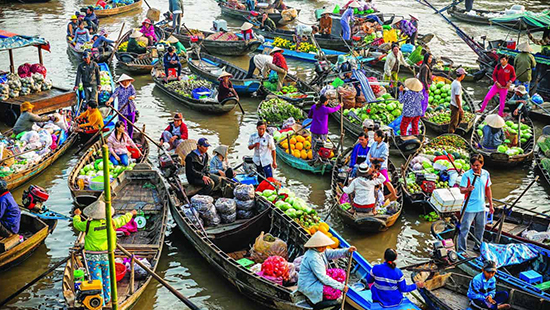 Located in the heart of the Mekong Delta, Can Tho was known as Tay Do - the capital of the Southwest region more than a hundred years ago. Despite the rapid economic development, "Tay Do" still retains its unique cultural features with the idyllic scenery of the river and the sincere, friendly, and hospitable people.
Things to do in Can Tho:
• Watch snakeheads fly and make your own cakes from flours and enjoy immediately after completion in Con Son village.
• Experience local cuisine on boats at Cai Rang market.
• Collect fresh and tropical fruits of your own and enjoy them right in the garden.
Top places in Can Thi:
• Binh Thuy ancient house: The hundred-year-old house is one of the most beautiful architectural works in the West with the outside design looking like a French mansion but the inside is completely Vietnamese. The entrance fee is 15,000 VND/person.
• Bang Lang stork garden: is an eco-tourism area that is loved by many people, especially from August to January next year. This is the breeding season, and many species of storks gather, creating an impressive scene.
• Cai Rang floating market: Is a place imbued with the identity of the river region of Can Tho city, which specializes in exchanging and buying agricultural products, fruits, food.
• Hu Tieu Can Tho Factory is one of the famous traditional craft villages with rich local dishes, bearing many characteristics of the people here.
• Con Son is a community tourism village, with each household having its own product for visitors to enjoy. The price of a half-day to one-day tour here ranges from 300,000 to 600,000 VND/person.
Can Tho Transportation:
• Plane: Because the distance from Hanoi to Can Tho is quite far, the most convenient means of transportation is by plane. You can book flight tickets from Hanoi to Can Tho or Hanoi - Ho Chi Minh City and then travel by bus from Ho Chi Minh City to Can Tho.
Best time to travel:
Although there are distinct rainy and dry seasons, Can Tho weather is less affected by storms. The three most ideal times to travel to Can Tho:
• May to August: in the summertime, when the orchards come to harvest.
• September to November: the season of water, suitable for visitors to experience the rustic life of the Westerners and enjoy the specialties only available when the flood water returns.
• December to February of the solar calendar is the season close to Tet, Can Tho is full of flowers.
-
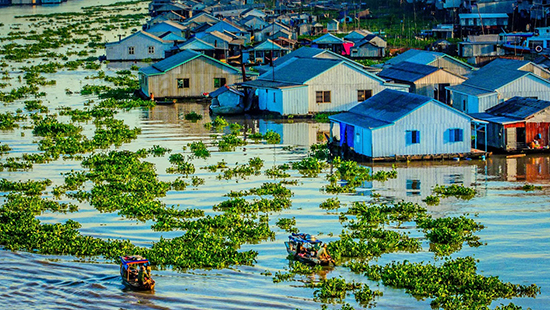 Getting away from the smog and noise of the city, what could be more wonderful than to return to the simple, rustic countryside? Chau Doc is an ideal destination for you with a bustling and affluent market, and the peaceful beauty of immense rivers and fertile fields, typical of the Southwest region.
Things to do in Chau Doc:
• Experience the service of buggy bicycles for adults, a very unique type of bicycle that you can hardly find today.
• Get the cable car to the top of Sam mountain to visit and enjoy the Buddha statue, Quan Am temple with thousand eyes, etc.
• Pray in Ba Chua Xu Temple and remember the merits of the person who helped the people to quell the riots and bring favorable rain and wind.
• Take a boat ride on the immense water and admire the unspoiled beauty of Tra Su Melaleuca Forest.
Top places in Chau Doc:
• Chau Doc floating village: where the unique culture is imbued with the style of the river region. Here, each raft is like a connected apartment stretching along the two banks of the river. The family's life is encapsulated on a raft 4m wide, 7-8m long.
• Pagoda Hang: built around 1840 - 1845, Hang Pagoda is a scenic spot in An Giang province and a national historical relic in Vietnam.
• Tay An Pagoda: is ranked as a National Art-Architecture Relic and set a Vietnamese record as the first temple with an architectural combination of Indian art style and ancient ethnic architecture in Vietnam.
• Cable Car Tourist Area of Sam Mountain: Coming here, visitors have the opportunity to take the cable car to the top of Sam mountain to visit and enjoy, in which the highlight is the jade Buddha statue, Quan Am temple with thousand eyes and thousand hands, etc.
• Ba Chua Xu Temple: Located at the foot of Sam mountain, Mieu Ba is built with towering architecture in the form of a blooming lotus, a three-tiered roof, and green tiles with bold artistic patterns.
Pu Luong Transportation:
• Plane: From Hanoi, you have to fly to Ho Chi Minh City, and then you need to arrive at Mien Tay bus station to buy tickets for moving, the price is from 120,000 VND to 170,000 VND/person depending on the service provider.
Best time to travel:
• The period from August to November is the most suitable time for you to fully enjoy the scenery as well as experience life on the river. Especially at this time, in Chau Doc, there is a very crowded floating market.
FAIRMONT HANOI
MOVENPICK HOTEL HANOI CENTRE
GRAND MERCURE HANOI
PAN PACIFIC HANOI
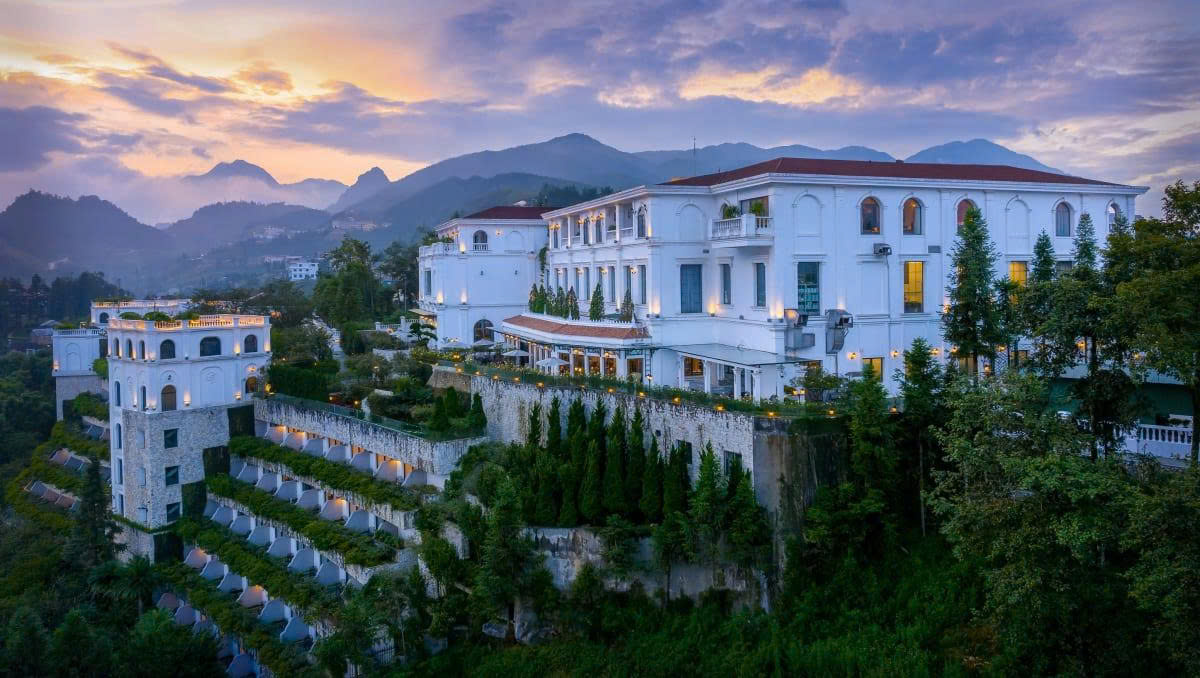

 +84 24 3747 2597
 Contact us